The Best Crew Scheduling Software For Every Industry

Key Takeaways
- Crew scheduling software varies greatly in terms of the industries it is built to serve, so choosing based on your industry is ideal
- One of the most important features to look for in a crew scheduling software is how workflows are built so they match the type of work you do
- Look for AI-powered features that connect scheduling to other aspects of your operation
When you’ve got dozens or hundreds of people on the clock, keeping shifts aligned takes serious coordination. Crews in aviation, events, maintenance, healthcare, and construction all rely on one thing to stay on track: a solid schedule. And when that breaks down, so does everything else.
Crew scheduling software helps lock in time blocks, assign roles, and fill every gap across the calendar. It ties directly into how companies handle scheduling and dispatch at scale. Dispatching deals with where people go next. Scheduling handles who’s available, trained, and assigned in the first place.
Every team has its own setup. Different industries, different shift patterns, different challenges. That’s why there’s no one-size-fits-all when it comes to crew scheduling platforms. Let’s start with a deep dive into the features you should be evaluating when choosing a crew scheduling software.

5 key features to look for in a crew management software
Not all software can handle the demands of crews across various industries. From shift variability to location-specific needs, the best crew management software gives you the flexibility to schedule with confidence. Here are the top features that support that kind of precision:
1. Smart Dispatch optimizations to schedules
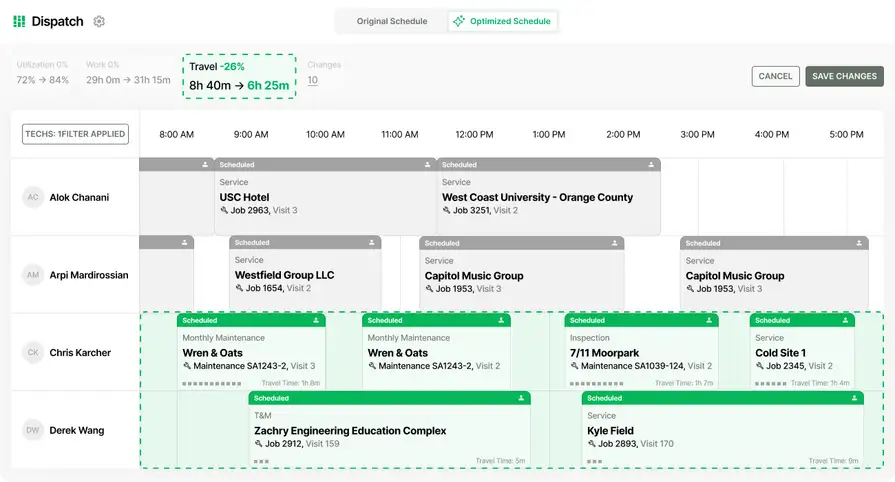
AI-powered dispatching features that can understand your industry’s required skills or certifications for your crew members, and then assign the best crew member to the job based on that will save a lot of time compared to building your schedule manually. These types of tools can also take things like crew member proximity to the work into account, so you don’t have to figure these things out yourself.
2. Crew member mobile access
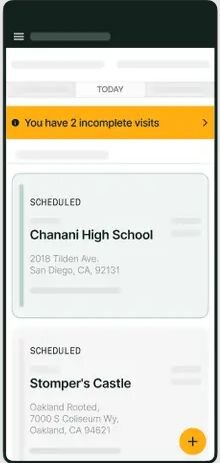
Crews in the field need clear access to schedules, assignments, and shift updates. A crew scheduling platform should include crew member mobile access so that updates go straight to their devices with no administrative gatekeeping that blocks shifts from beginning.
3. Time tracking integration
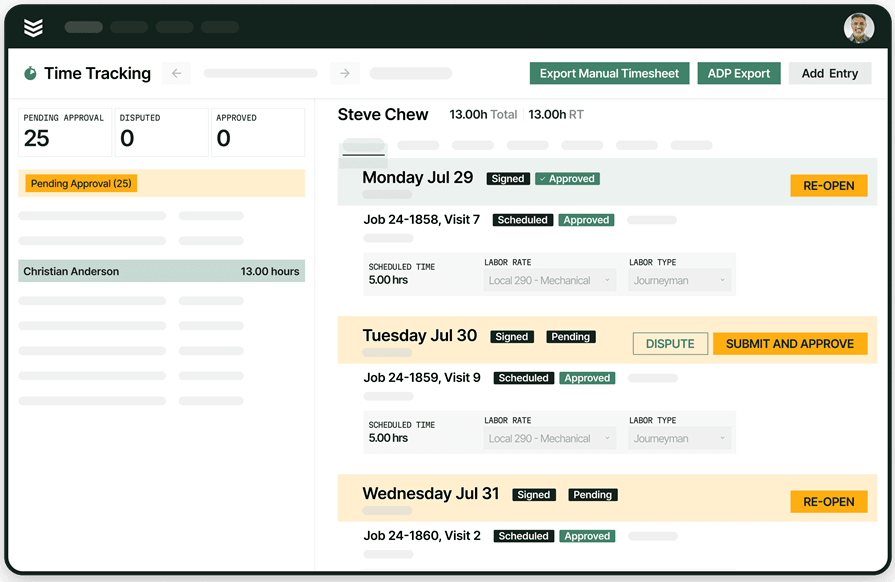
Scheduling is only part of the puzzle. Crew scheduling software with built-in time tracking tools keeps a record of actual hours worked, helping you compare plan versus reality, so you can adjust future schedules accordingly. Integrating time worked against schedule adjustments helps cut down a lot of manual schedule re-organization based on who has already worked too much this week.
4. Resource planning & project management
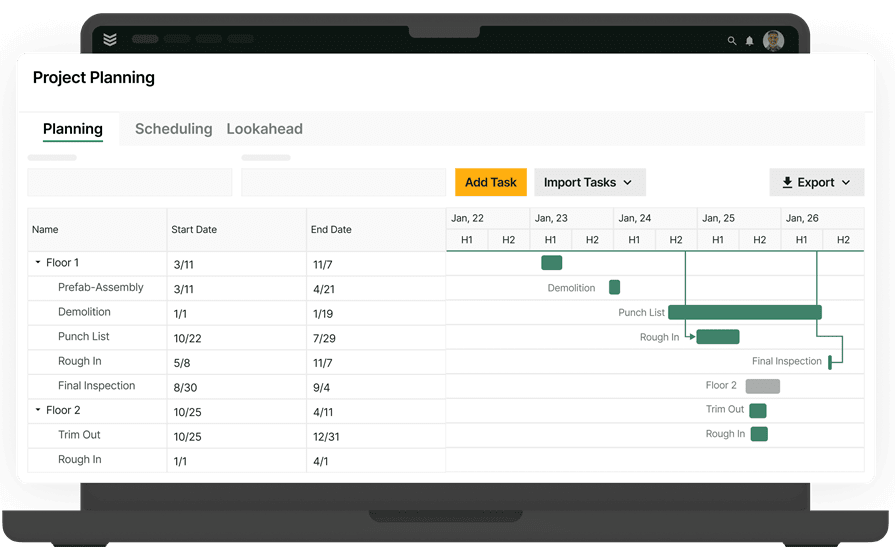
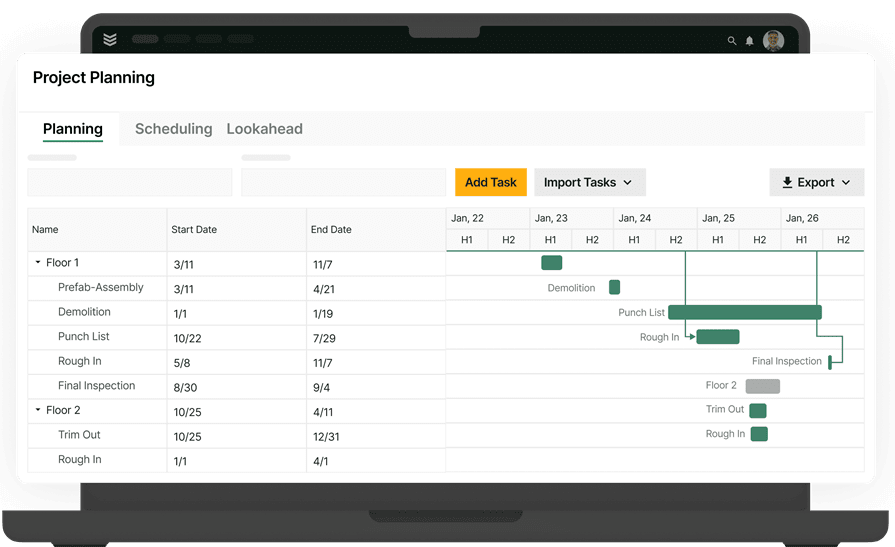
If your business conducts larger-scale or commercial work, resource planning features that scale based on the scope of work your crew is doing are very useful. You can connect your crew scheduling to job or project deliverables, planning your schedule out over a much longer period of time, rather than just reacting to emergency calls and shifts.
5. Custom reporting & analytics based on your type of work
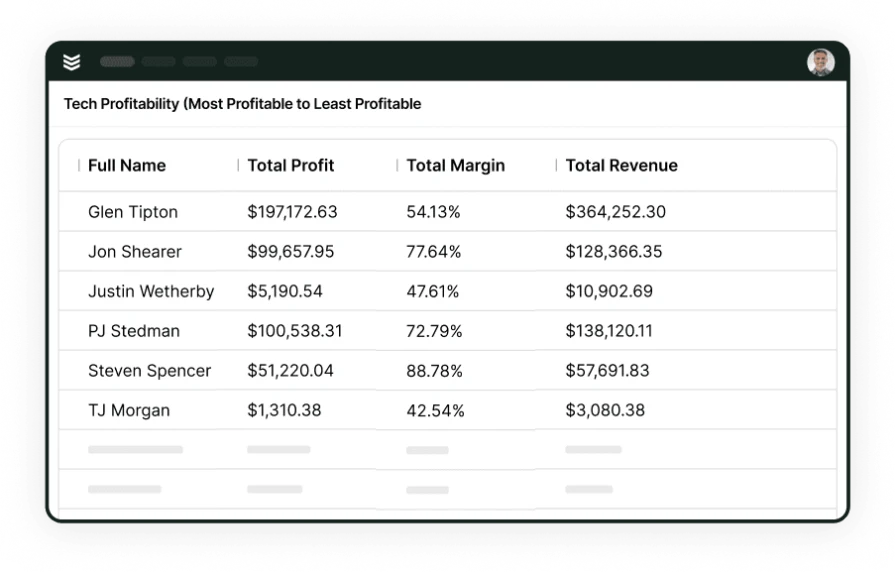
Having data isn’t helpful unless it’s clear and actionable. Having a reporting & analytics tool in high-quality crew management software lets you track hours, job completions, open shifts, and utilization. You can even filter by crew, region, or role.
Now that you understand the core platform features you need to look for, let’s break down some of the top choices for crew scheduling software across major industries.
10 best crew management software for all types of teams and industries
Every crew-driven operation from construction, flight crews, EMS teams, rail operators, to maritime staff needs scheduling that adapts to complex shifts, certifications, and location-based demands. This collection of platforms are the front-runners in delivering crew scheduling software that meets those needs head-on.
1. Best commercial construction crew scheduling software: BuildOps
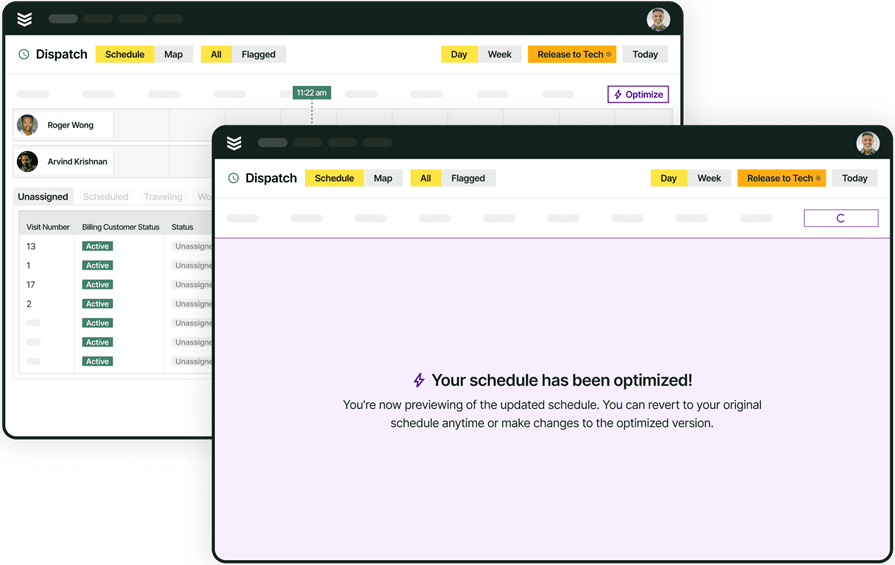
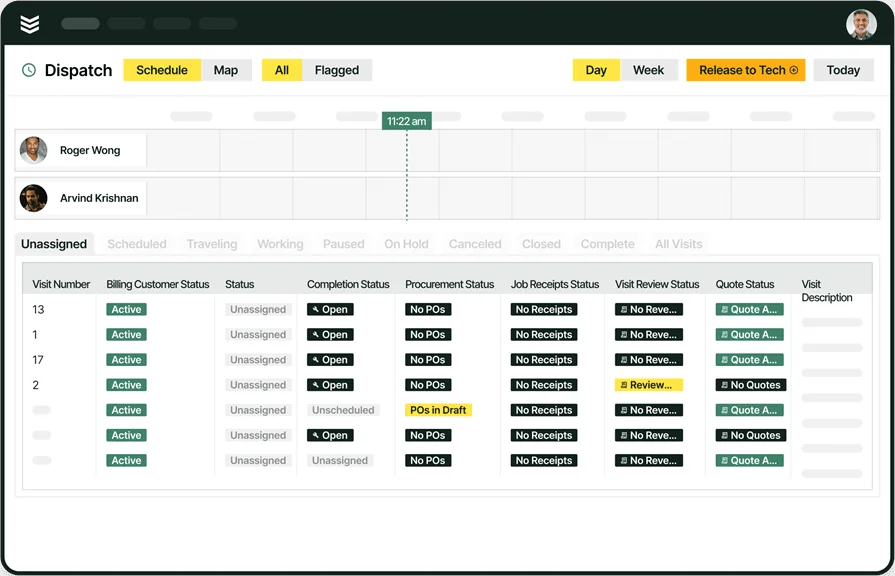
BuildOps is specifically built for commercial construction teams managing complex field service projects. The platform combines scheduling, dispatching, custom workflows, a mobile app, invoicing, and reporting, all in a single platform. OpsAI powers Smart Dispatch, which can match your field techs to the best job for them based on their skills, industry certifications, and proximity to jobsites.
How pricing works: Subscription pricing is tiered per user, depending on usage level and features included.
Features beyond scheduling: In addition to scheduling, BuildOps offers mobile access for field crews, dispatch tools for real-time job updates, fleet tracking for vehicle oversight, and integrated invoicing and payment tools that close the loop on job completion. These features make it easier for teams to work across departments without switching platforms.
Why it’s best for construction crew scheduling: BuildOps connects back-office planning with in-field execution. Whether you’re handling HVAC installations or electrical service calls across multiple sites, it keeps everyone aligned from dispatchers to technicians.
Rating: 4.4 on Capterra from 177 user reviews
2. Best aviation & airline crew scheduling: PDC
PDC’s suite handles cockpit and cabin crew scheduling, pairing, legality checks, and rest rule compliance. It’s widely used by major airlines to create legal, optimized rosters that meet strict flight time and safety regulations. The tool also includes conflict resolution, crew bidding, and mobile notifications for shift changes. For smaller airlines or private carriers, the platform may feel overly robust and expensive to implement.
How pricing works: Custom enterprise pricing based on airline size and number of crew managed. Pricing is generally license-based.
Features beyond scheduling: PDC includes automated legality validation, vacation planning, fatigue monitoring, and integration with flight operations software. Its mobile access features allow real-time notifications and roster views for pilots and crew.
Why it’s best for aviation scheduling: The system is built to support the rigid compliance and rostering needs of commercial airlines. Its rule engine helps prevent violations before they happen, keeping airline operations compliant and on time.
Rating: Not yet rated on popular software sites
3. Best crew scheduling software for EMS & first responders: EMS eSchedule
EMS eSchedule is tailored for ambulance crews, fire departments, and first responders. It enables automated rotations, call-in coverage, certification tracking, and real-time shift swaps through SMS and email alerts. While ideal for mid-size emergency operations, its feature depth might exceed what smaller volunteer departments need.
How pricing works: eSchedule starts at $1,250/year with an annual invoice (up to 20 active employees, with Scheduling/Core Features; additional modules available, including Timekeeping).
Features beyond scheduling: EMS eSchedule offers certification expiration tracking, digital timecards, and reporting for payroll or compliance audits. It also includes communication tools that centralize alerts and updates.
Why it’s best for EMS crews: The tool supports the unpredictability of emergency work by letting responders swap shifts quickly, access coverage dashboards, and sync hours across teams—without disrupting dispatch workflows.
Rating: Not yet rated on popular software sites
4. Best for mobile service teams: Connecteam
Connecteam caters to mobile service teams like cleaning crews, IT repair units, or field inspectors with drag-and-drop scheduling and mobile clock-ins. It’s designed to reduce admin load and keep shifts consistent across distributed teams. For companies needing route planning or compliance enforcement, it may lack depth.
How pricing works: Pricing starts free for small teams; paid plans begin at $29/month for up to 30 users.
Features beyond scheduling: The app includes communication tools, training checklists, surveys, and file storage. Users can also create location-based check-ins and task-specific shift notes.
Why it works for mobile services: It gives small, multi-location teams a centralized scheduling and communication hub—keeping remote crews connected, informed, and accountable without back-office bottlenecks.
Rating: 4.6 on Capterra from 5293 user reviews
5. Best for maritime crew management: VoyageX AI
VoyageX AI offers an all-in-one scheduling system for maritime crews—tracking rotation cycles, rest requirements, certifications, and contract terms. The interface is optimized for shipping companies managing global fleets. However, smaller marine businesses, such as charter operations, may find it too expansive for their needs.
How pricing works: Tiered plans are available, starting with a free version and scaling to enterprise licenses with added features.
Features beyond scheduling: VoyageX supports document management, compliance with international maritime labor laws, and automated crew change planning. Its digital logbook, medical tracking, and repatriation features further streamline operations.
Why it’s best for maritime scheduling: For shipping companies juggling international schedules, the system helps maintain compliance and crew readiness while reducing manual tracking across vessels.
Rating: Not yet rated on popular software sites
6. Best crew scheduling software for rail transit: SISCOG Crews
SISCOG Crews specializes in scheduling railway staff, including train operators, conductors, and station personnel. It automates long-term rosters, manages real-time disruptions, and enforces union agreements and fatigue rules. While powerful, its setup can be too involved for smaller regional rail services with simpler workforce needs.
How pricing works: Licensing and pricing are based on custom configurations and system modules; enterprise-level engagement is typically required.
Features beyond scheduling: The platform includes advanced simulations for resource forecasting, performance analytics, and built-in legal rule validation. Integration with rail operation software ensures that crew schedules align with rolling stock and track availability.
Why it’s best for rail operators: SISCOG handles high-complexity scenarios like multi-shift rotations and last-minute disruptions. National rail systems and metro networks rely on it to keep crews compliant and trains moving without delay.
Rating: Not yet rated on popular software sites
7. Best offshore & aviation crew scheduling software: BytzSoft
BytzSoft serves offshore aviation teams, helicopter transport, and remote workforce logistics with flight-linked scheduling. The platform includes shift planning, training compliance, and automated license verification. Ground-only operations may find its aviation-focused components irrelevant or too specialized.
How pricing works: Pricing is quote-based, customized to each client’s needs and volume of operations.
Features beyond scheduling: In addition to flight crew rostering, BytzSoft provides audit trails, performance tracking, and maintenance alerts. Its built-in aviation compliance system ensures that only certified crew are assigned to regulated flights or offshore missions.
Why it’s best for offshore and aviation logistics: It simplifies crew coordination tied to helicopter lifts, rigs, or isolated sites—keeping aviation scheduling tightly synced with certifications and readiness.
Rating: Not yet rated on popular software sites
8. Best manufacturing crew scheduling platform: Simcad Pro
Simcad Pro helps manufacturers align crew assignments with production line timing, machine capacity, and shift output forecasts. It’s built for facilities that need to coordinate staffing with live floor activity and predictive modeling. For teams that only need static shift calendars, it may introduce unnecessary complexity.
How pricing works: Licenses are priced per user or simulation seat; pricing varies by customization and plant size.
Features beyond scheduling: The platform offers live simulation tools, performance visualization, and predictive bottleneck detection. It also integrates labor rules, break timing, and throughput planning.
Why it’s great for plant operations: Simcad Pro brings data-driven insights into workforce allocation, allowing manufacturing leaders to adjust labor needs based on throughput goals and production changes.
Rating: 4.9 on Capterra from 15 user reviews
9. Best crew scheduling for budget airlines & charter services: Sabre Crew Manager
Sabre Crew Manager helps low-cost carriers and regional airlines manage pairings, rest periods, and daily shift assignments. It also includes mobile dashboards and alerts for crew changes. The robust system supports global ops but may require more IT support than lean teams prefer.
How pricing works: Typically available through enterprise licensing, with fees based on flight volume, crew count, and integration needs.
Features beyond scheduling: Sabre offers fatigue risk management tools, interactive dashboards, and real-time alerts. It also integrates directly with airline operations software to sync crew with live flight plans.
Why it works well for smaller airline fleets: It brings large-scale scheduling logic into smaller operations, helping charter and budget airline teams meet regulatory demands without hiring full scheduling departments.
Rating: Not yet rated on popular software sites
10. Best for residential construction crew scheduling: Workyard
Workyard simplifies crew scheduling for residential and light commercial construction teams. It includes GPS-tracked timecards, skill-tagged scheduling, and real-time alerts for shift or location changes. For large commercial firms needing integrated ERP and multi-division management, its scope may feel limited.
How pricing works: Plans begin at $6/user/month, with additional features available in premium tiers.
Features beyond scheduling: Workyard includes cost code tracking, mobile time clocks, payroll reports, and project-level crew assignment views. It helps foremen manage rotating and project-based crews more effectively.
Why it’s best for smaller construction teams: Workyard offers an intuitive, mobile-first scheduling tool built for fast-moving field crews who need shift clarity without full back-office complexity.
Rating: 4.8 on Capterra from 102 user reviews
{{related-content-block="/resources/construction-crew-scheduling-app"}}
Top 7 benefits of using crew scheduling software for management and planning
Anyone can make a schedule, but crew scheduling software changes how that schedule gets created, shared, and adjusted in real time. Whether you're dealing with union rules, 24-hour coverage, rotating crews, or emergency shifts, software gives managers the tools to plan smarter, faster, and with fewer disruptions. Here’s how:
1. Automated shift generation
Crew scheduling software removes the guesswork of manual shift creation by applying availability, roles, and rules automatically. Instead of dragging names across spreadsheets, managers can auto-build schedules that already account for hours limits, certifications, or blackout dates.
2. Real-time availability updates from crew
Letting crew members update their own availability directly into the software saves time and avoids miscommunications. Instead of back-and-forth calls or missed shifts, managers see changes as they happen. Platforms tied to contractor dispatch management use this visibility to match crews to jobs more accurately, based on who’s actually available that day.
3. Instant schedule adjustments
When a shift needs to be filled or adjusted, crew scheduling software can notify team members automatically and reflect changes live across devices. There’s no lag between the decision and the update. That speed is critical in industries relying on crew scheduling software to pivot during unpredictable workdays.
4. Mobile-first crew access
The best crew scheduling software gives field teams the ability to check assignments, clock in, or accept changes straight from their phone. No more printing daily sheets or relaying info through a foreman. When tied into systems like a contractor CRM, the result is a full view of client needs, job details, and who’s on the schedule—all in one platform.
5. Forecasting and workload planning
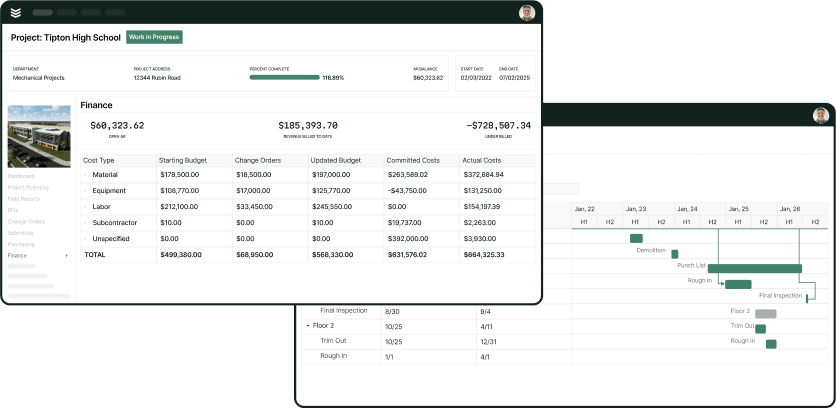
Because every shift is tracked, managers can use historical data to plan future headcounts, estimate overtime needs, or identify underused roles. These patterns help improve long-term staffing and reduce burnout. Combined with scheduling and invoicing software, it also tightens the connection between labor planning and financial performance.
6. Shift transparency and accountability
When the entire schedule lives in one shared system with time stamps, crew logs, and change history, accountability gets built in. There’s no need to audit text threads or second-guess who was told what. Everyone has the same access to the truth.
7. Consistent processes across every job site
Crew scheduling software lets companies apply the same scheduling logic across different crews, regions, or divisions. Whether you're managing on-call rotations in healthcare or alternating warehouse teams, the same rules and templates apply—without creating a new system for each group. That consistency means less training, fewer errors, and smoother coordination.
How to choose the right crew scheduling software for your team (& what to ask in a demo)
The best crews move with precision because someone behind the scenes made sure the schedule was airtight. In industries where shift work, labor coordination, or job-specific certifications matter, crew scheduling software isn’t optional—it’s essential. Whether you're coordinating hospitality staff, healthcare teams, railway operators, or production crews, having a tool that reflects how your people actually work can make or break the workflow.
Before locking into a platform, teams need to think through how their operation works, what problems the software should solve, and what kind of crew oversight they need to keep schedules accurate and tight. Here are a few questions teams across any industry could ask in a product demo to evaluate whether the tool is a good fit or not:
- How are crews set up in the software? How many crews need to be scheduled on a daily or weekly basis? Are your crews full-time, part-time, or project-based? Do you need different scheduling rules by location, department, or shift type?
- How are shifts structured? Are your shifts rotating, fixed, seasonal, or demand-based? Does your team rely on back-to-back coverage, standby workers, or on-call roles? How often do shifts change last minute, and how is that handled now?
- Are skills and certification requirements built in? Do certain roles require specific licenses, certifications, or skillsets to schedule? Does the software allow skill tagging and restriction rules based on training? How are new qualifications tracked as crews level up?
- How does the software enable compliance and labor rules? Are you dealing with union rules, break laws, or regional compliance policies? Do overtime caps or shift limits need to be enforced automatically? Can the system flag violations before they happen?
- Will the features work for me? Does the software support drag-and-drop scheduling or shift templates? Can you view, adjust, and communicate schedules across multiple teams and devices? Are there any AI-powered features that will cut down on manual scheduling work for me?
4 important crew scheduling software FAQs answered
If you still have more questions, we’ve got the answers here.
1. What is crew scheduling software?
Crew scheduling software is a tool that helps managers and crew dispatchers assign shifts, track availability, adjust schedules in real time, and keep the crew informed, even across multiple locations and job types. It replaces traditionally manual scheduling methods like spreadsheets and whiteboards, and helps teams stay aligned whether they are in the office doing the scheduling, or are out in the field doing the work.
Crew scheduling software is used in a variety of popular industries including construction, transit, airlines, events, emergency services, and more. What makes crew scheduling software valuable is how it balances automation with control, giving teams a better way to plan, communicate, and adjust shifts without the back-and-forth.
2. How does crew management software work?
Crew management software connects scheduling, availability, time tracking, and communication into one system. Here’s how it typically functions:
- Shift planning: Managers set schedules based on job needs, certifications, or availability
- Availability updates: Crews input their open hours or time-off requests
- Live updates: Any schedule change like a call-out or site delay gets reflected instantly and shared with affected team members
- Time tracking & logs: Clock-ins, job hours, and task notes are stored automatically
Crew management software also typically syncs with other tools like dispatch systems, payroll, or CRM platforms, so all team members are working from the same source of truth.
3. Is crew scheduling software worth the cost?
Typically yes, especially for teams managing multiple jobs, crews, or rotating shifts. Manual scheduling costs time, introduces errors, and slows down job readiness. Crew scheduling software pays off by helping managers fill gaps quicker, reduce missed shifts, and avoid double-booking key roles.
Contractors using software also benefit from the long-term visibility it provides by tracking labor across projects, syncing with invoicing, and forecasting crew demand. That alone helps avoid overstaffing or last-minute hires, saving real dollars week to week.
{{related-content-block="/resources/customer-success-highlight-on-site-with-jackson-mechanical"}}
4. What are some crew scheduling software best practices to follow?
Making the switch to software is only step one. Getting the most out of it means following clear best practices. Here’s what top teams do to keep crew scheduling sharp and simple:
- Keep crew profiles updated—Include certifications, availability, and preferred roles
- Use templates for recurring shifts—Build weekly or project-based templates to cut down on admin time
- Automate where possible—Let the system assign shifts based on rules and skill tags
- Review coverage daily—Use the dashboard to spot gaps before they become emergencies
- Enable mobile access for crews—Let workers view and confirm schedules from the field
- Track time directly from the schedule—Use integrated time tracking for payroll and accountability
- Tag shift types clearly—Label overtime, night, or on-call shifts to avoid confusion
- Set clear policies for swaps—Use built-in approvals or notifications for last-minute changes
- Connect scheduling to dispatch—Sync tools so scheduling flows directly into work assignments
- Review reports monthly—Check trends, missed shifts, and total hours to improve planning over time
No matter what industry you’re in—rail, aviation, field services, EMS, or manufacturing—crew scheduling software does more than just build shifts. It helps you manage change, reduce admin drag, and give your team a clearer picture of what’s coming next. But not every platform covers everything. Some stop at the schedule. Others leave you stitching together tools for dispatch, time tracking, mobile access, or invoicing.
That’s where a complete crew management software platform becomes a game-changer, especially for commercial construction teams balancing high-volume jobs, rotating crews, and field-to-office workflows. Tools like BuildOps bring those pieces together so you don’t have to chase information across five systems. Scheduling becomes just one part of the bigger picture.