
BuildOps vs FieldPulse
FieldPulse is built for residential home service businesses while BuildOps is built specifically for commercial contractors, and the complexity of connecting their service, projects, and finance workflows all in one tool.
See how BuildOps has helped our commercial customers compared to other businesses:
- 62% faster cash collection—DSO drops from 66.4 to 25.2 days
- 65% more revenue per technician—More output from the same field headcount
- +14-point higher quote-to-close rate—62.8% vs. 48.9% average




Trusted by 1,500+ commercial contractors across North America















Technical Checklist
See the difference
BuildOps was built for commercial work, with OpsAI automating tasks across your entire operation. FieldPulse was built for one-off service calls, with Operator AI answering the phone for you when you’re not around.
User-friendly interface
Both platforms offer an intuitive experience for field teams. BuildOps supports much deeper customization and robust workflows that work better for commercial-scale projects, so you can set the platform up exactly how you need it to work. FieldPulse prioritizes quick start with less customization.
Mobile application
Both have mobile apps for on-the-go management. OpsAI for the field in BuildOps offers much more power, with AI-powered features like asset nameplate scanner that fills in asset info from a photo, tech voice notes cleaned up and turned directly into invoice summaries, and full job history and past visit notes summarized before you step out of the truck.
Quoting & invoicing
Both platforms enable fast quoting and invoicing directly from the field. BuildOps adds automated workflows and seamless accounting integrations for commercial requirements.
Scheduling & dispatching
BuildOps delivers advanced real-time scheduling & dispatching, with smarter features like certification and skill-based assignments for your technicians, and live status updates ideal for complex jobs. In FieldPulse, you can only schedule a job one day at a time, making the scheduling very limited.
Project management
You’ll find full-scope project tracking in BuildOps: plan, forecast, control budgets, and manage resources across multiple job types and locations. In FieldPulse, Project management is an afterthought because they focus on single-day or quick recurring jobs, so multi-month projects are very difficult to manage.
Advanced analytics & reporting
Gain deep business insights and customizable reports with BuildOps, including performance KPIs, job profitability, and workforce optimization. You can build your own reports and dashboards using any field across the BuildOps platform. In FieldPulse, make use of out of the box drag-and-drop dashboard builds.
Asset, inventory, & fleet management
BuildOps tracks complete equipment histories, sub-components, and maintenance costs over time. In FieldPulse, asset and inventory management are built for residential parts. Both tools have a fleet management add-on tool.
AI-driven automation
OpsAI is built into the BuildOps platform, automating scheduling, invoicing, job documentation, sales enablement, predictive insights, and more. FieldPulse Operator AI answers phone calls after hours to schedule jobs.
Industry-specific modules
Both tools support tailored workflows for HVAC, electrical, plumbing, refrigeration, and fire protection. In FieldPulse, these are still focused on one-off jobs, while in BuildOps, the workflows are purpose-built for complex commercial contractors.
Enterprise integrations
Integrate workflows with QuickBooks, Sage, NetSuite, and scale effortlessly to support large, multi-location operations in BuildOps. In FieldPulse, Quickbooks and other integrations aren’t available on the base plan, and their integrations focus more on residential home service tools like Thumbtack & Angi.

"Where FieldPulse fell really short was it was built for residential. The scheduling function was very limited — you could only schedule a job one day at a time. Some of our projects span three, four months. BuildOps is that premium commercial-grade platform."








Partners
Trusted by leading commerical operators
Every month, advanced commercial teams outgrow residential tools and switch to a backbone built for the commercial trade — not just generic software.
Specialized Infrastructure
What makes a "commercial backbone" different?

Data granularity
Residential tools track jobs. BuildOps tracks the full asset lifecycle—units, sub-components, and long-term maintenance costs.

Financial logic
Go beyond paid vs. unpaid. Track WIP and committed costs with a ledger built for how CFOs actually manage projects.

Offline-first engineering
Built for the field. Techs complete complex work with no signal, then sync automatically when back online.
One System, Every Workflow
A single operating backbone
AI that already knows your business
OpsAI is built into BuildOps. It already knows your jobs, your crews, and your data. It handles the busywork, flags what matters, and keeps your team focused on the work that actually moves the needle.


Service that scales without slipping
More service work only pays off if margins hold and customers come back. BuildOps keeps every job on track from first dispatch to final invoice, so growth doesn't come at the cost of control.


Find, quote, and close more work
Good contractors lose deals not because they can't do the work, but because follow‑ups slip and quotes go cold. BuildOps keeps your pipeline moving so the right jobs don't get away.


The Industry Standard
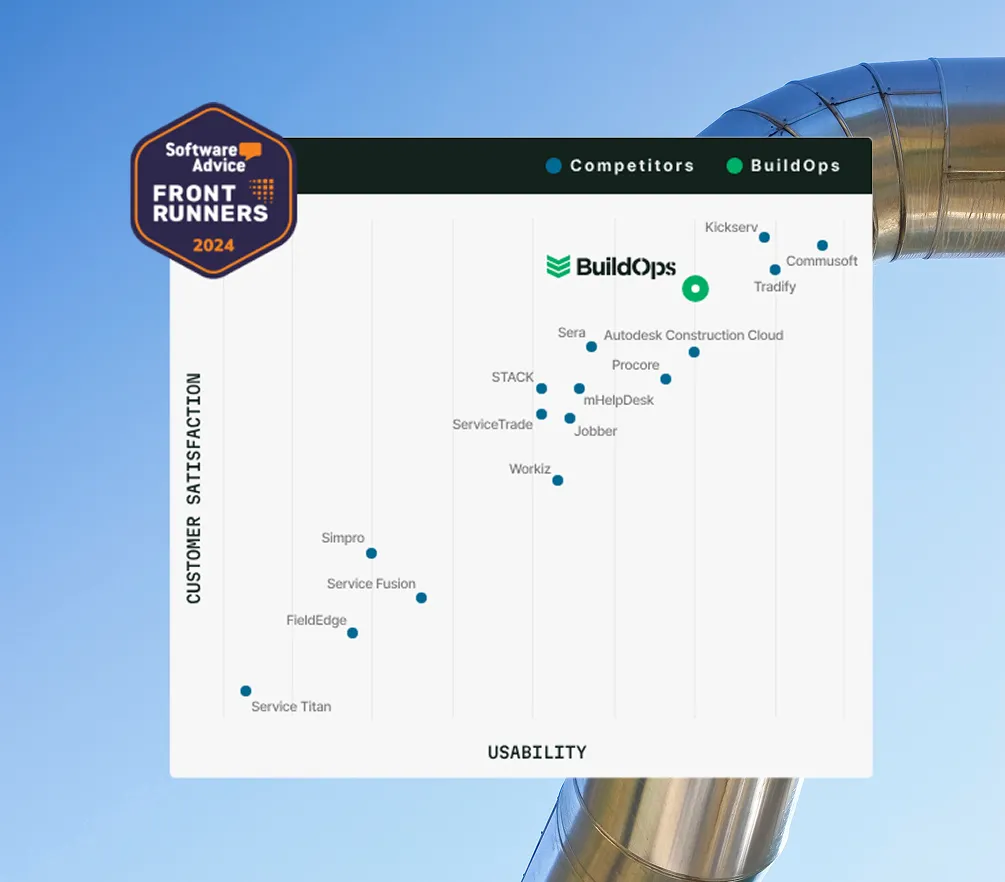
Proven outcomes. Industry verified





Proven Results
Real-world impact for commercial leaders


"We've seen an increase in day-to-day operations efficiencies that's going to add up to significant savings in time and energy over the course of a year."

"If we didn't have BuildOps and the additional cyber security they give our company, we would be dead in the water."
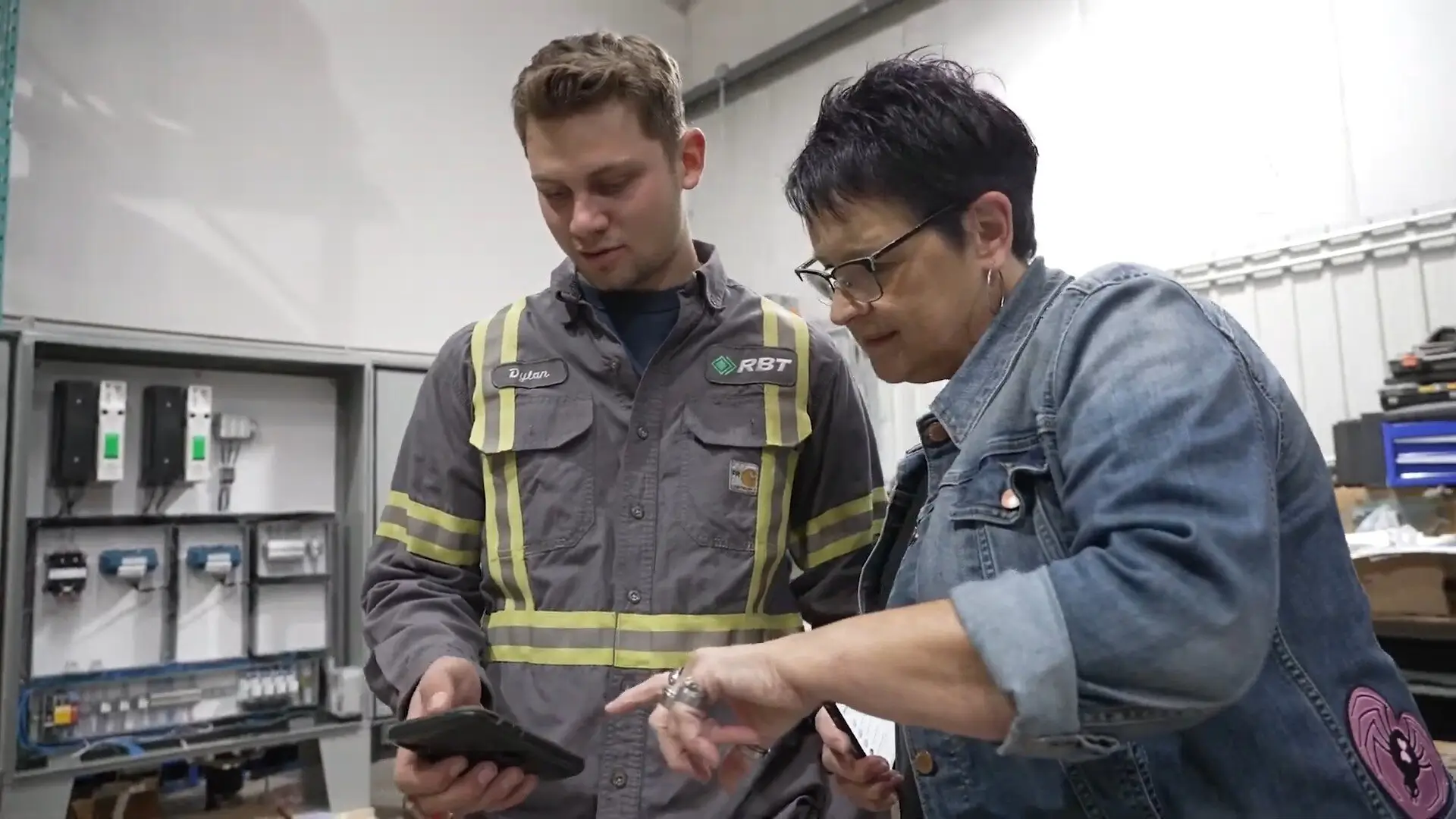

"The ability to produce reports either on an individual job basis, a quarterly basis, or a project basis is something we'd never seen before in other software that we've used."
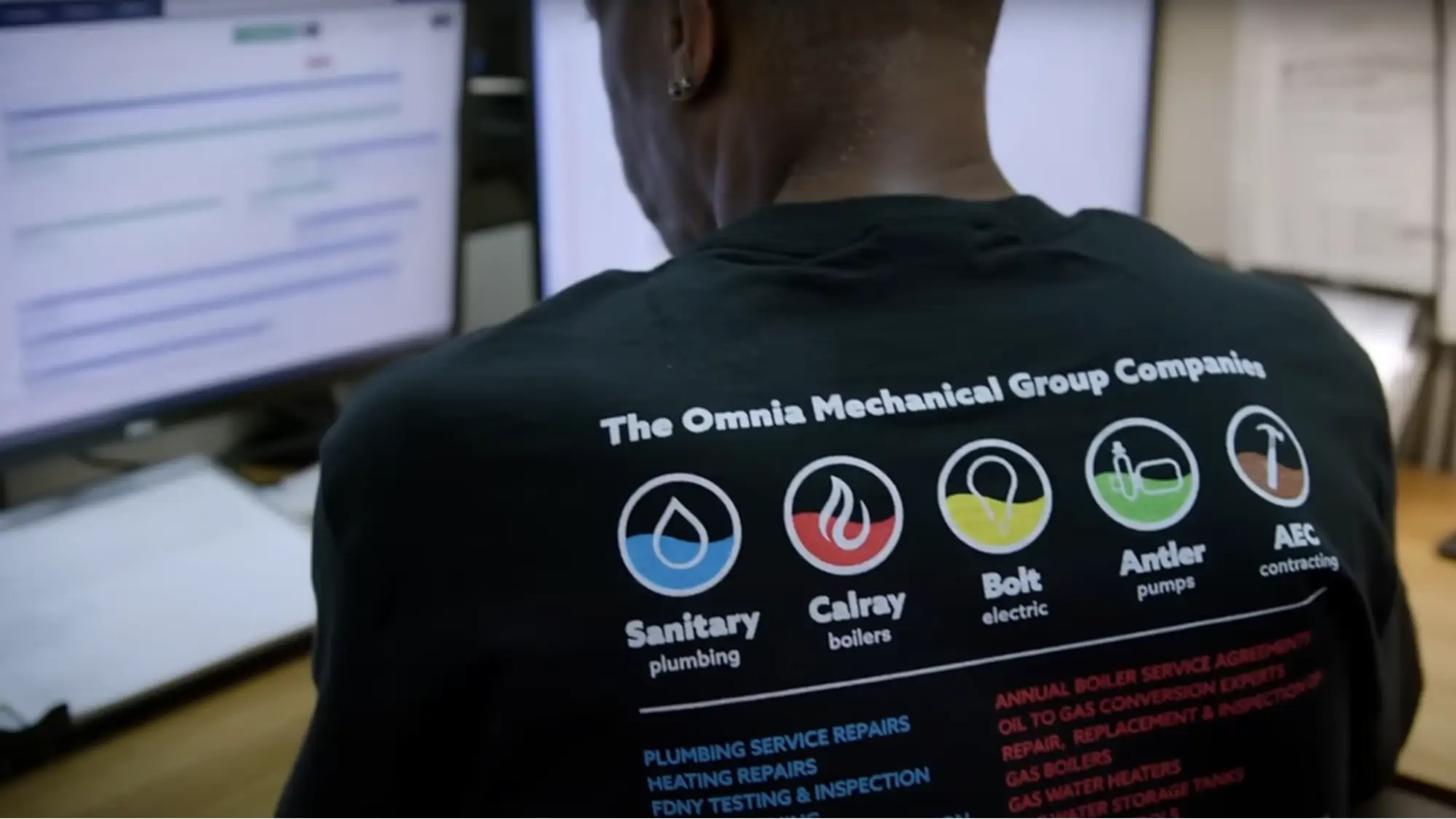

"We've cut down in our receivables from about 120 days to 30 days on average."


"Before we knew it, we were seeing quicker turnaround times on job closeout and a huge improvement in the time it took for quotes to be accepted by our customers."


"With BuildOps, we feel like we can go after anything. The sky is the limit as far as the size of the project."
.webp)

"BuildOps gave us an all‑in‑one system for both service and projects. Once we saw that, it was a no‑brainer."
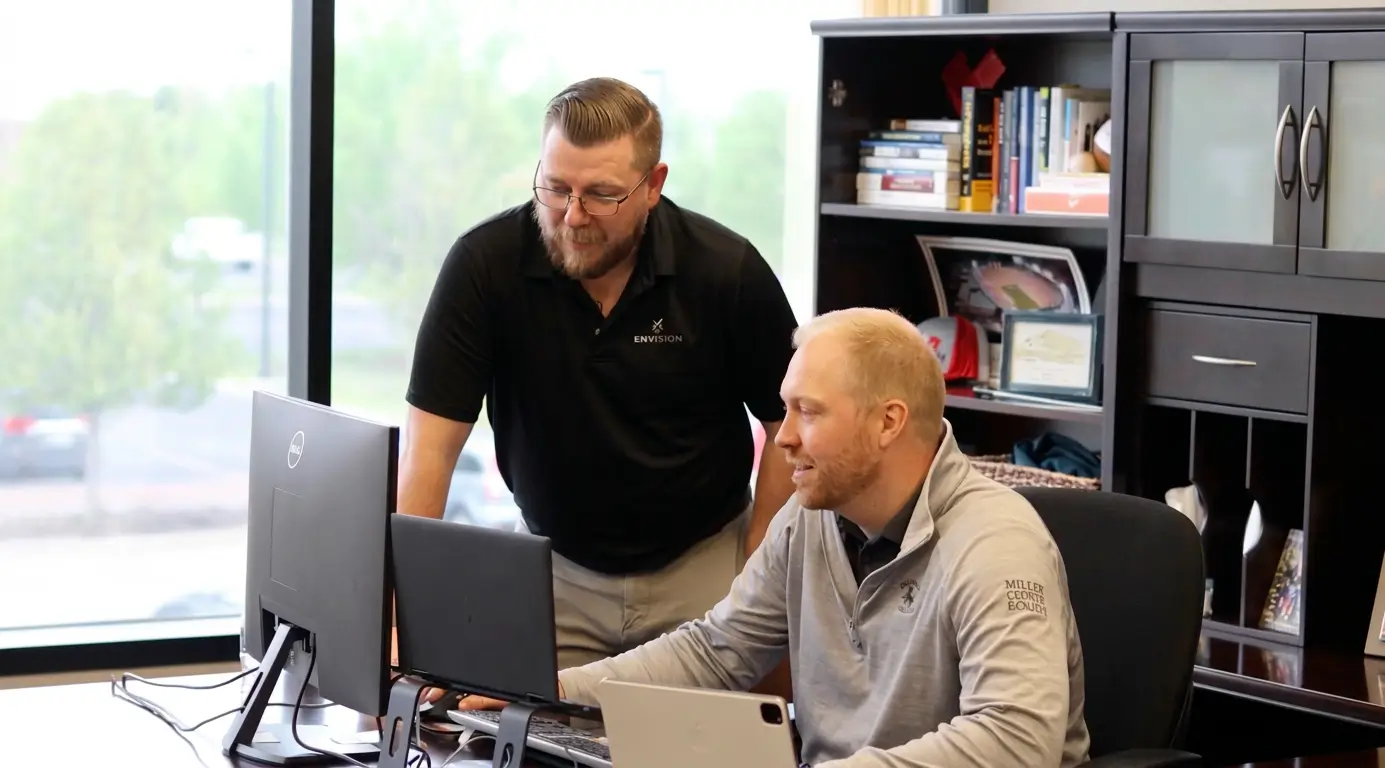

"With the integration of BuildOps and Sage Intacct, our accounting system, we've been able to speed up the time it takes for us to bill customers."


"Our consulting division increased 300% because we were able to free up more time from the office to help other customers."

![Service First Logo]](https://cdn.prod.website-files.com/69cad9cd3a5ef3196ea9bb65/69fa0ca0adc28a56d26717c9_Service%201st%20white.webp)
"Sometimes systems promise you the moon, then you use them and see the weaknesses. It's been the exact opposite with BuildOps. Everything we wanted it to do, it could do."
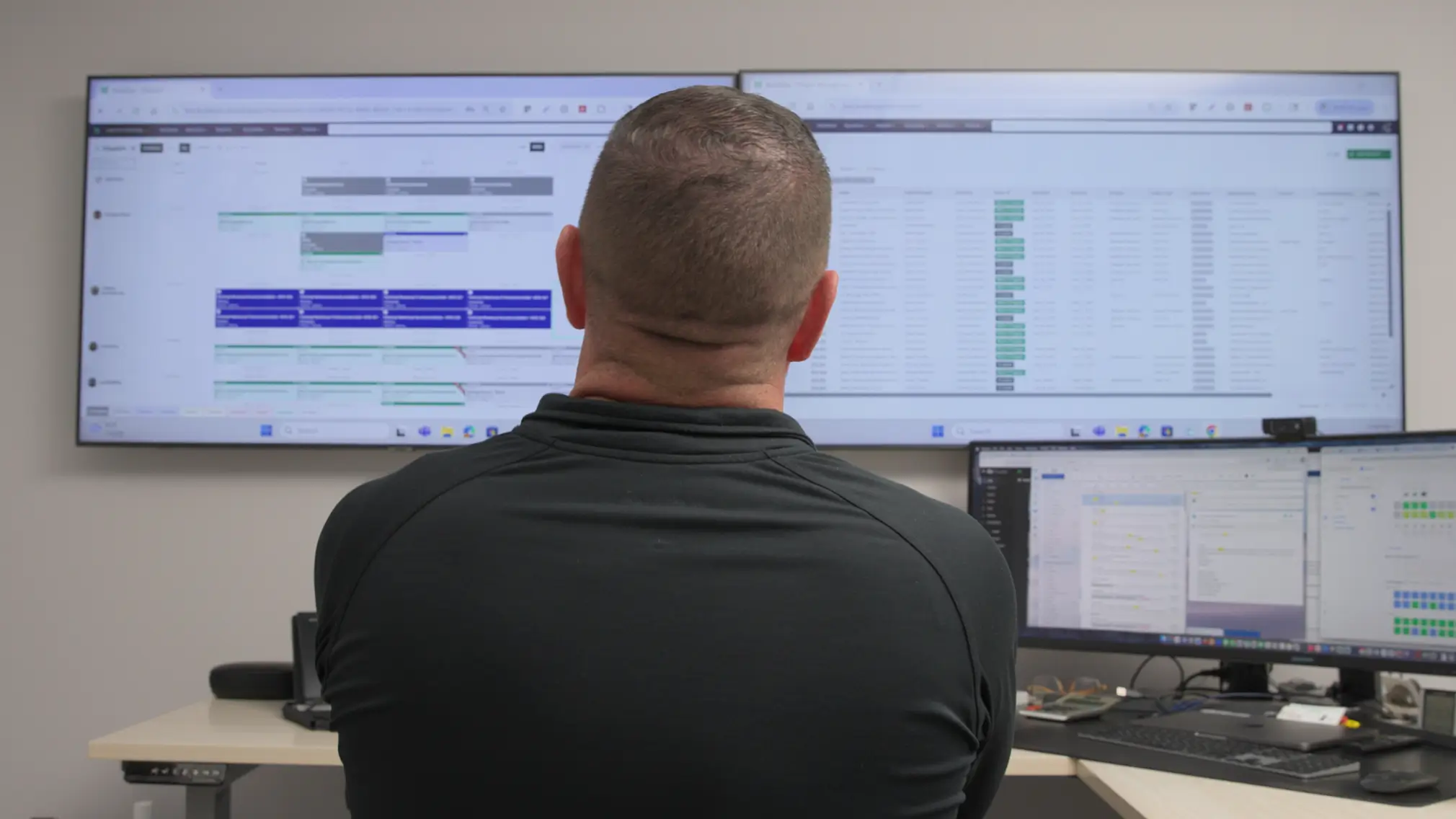

"We used to be two weeks behind on job costing. Now we're up to date daily."
Common Questions
FAQs about BuildOps vs FieldPulse for commercial teams
Can BuildOps replace FieldPulse for my team’s commercial work?
BuildOps replaces home service tools like FieldPulse with a single commercial operating system. Service, projects, sales, and financials all run on one platform tuned for asset-level tracking, complex contracts, and ERP-grade reporting.
Which industries are FieldPulse and BuildOps best suited for?
BuildOps was built for commercial trades businesses, primarily Plumbing, Electrical, HVAC, Refrigeration, and Fire & Life Safety.
FieldPulse focused more on residential home service businesses including Garage Door, Locksmith, Property Management, Appliance Repair, Septic, Fire and Security, and A/V Installation.
How does pricing work on BuildOps vs Field Pulse?
Both Field Pulse and BuildOps offer custom pricing based on company needs and requirements, and that cost is determined in a custom demo you can set up on each company’s website.
How does BuildOps OpsAI compare to FieldPulse Operator AI?
Field Pulse’s Operator AI is a 24/7 call answering service that can schedule jobs for you when you’re not answering the phone.
BuildOps OpsAI is built directly into the platform, assisting with insights and suggestions across your whole operations, with features like Smart Recap, Smart Dispatch, PO Scanning, Revenue Finder, and more. OpsAI is built right in, offering insights when and where you need them, as a part of each feature already in the platform.
Will our field technicians find BuildOps harder to use than FieldPulse?
The BuildOps app is built for commercial jobs, but stays simple in the field, because it’s offline-friendly, contains asset-linked forms, and helps with faster time entry. Our customers adopt it quickly because of how easy it makes their daily lives.
Our implementation training specialists are also here for you throughout the switch to make sure all field techs and office staff are fully trained before and during rollout. Most of our customers are comfortable using BuildOps after 1-2 training sessions.
What are BuildOps & FieldPulse’s biggest strengths and weaknesses when compared to each other?
When FieldPulse stands out: Teams that primarily do one-off home services calls, with the need to only schedule and manage one job at a time.
When BuildOps stands out: For teams that manage complex commercial projects in construction or the trades, and need long-term project management capabilities.
When FieldPulse falls short: When the job becomes longer than a day, or you get a customer with a long-term project or recurring ongoing service, you aren’t going to have the features you need to manage work like that. Not enough AI-power on the platform to cut down on busywork.
When BuildOps falls short: If your business does simple and short jobs, BuildOps might have more features and complex workflows that you don’t need for that type of work, so something with more basic capabilities is better suited.