6 Ways To Modernize Your Construction Hiring Process

The construction site is home to a changing workforce. Contractors are seeing a drop in median age by as much as five years since 2020, according to ADP Research. That’s a real shift, and it’s happening faster than in other industries.
The younger workforce coming in doesn’t have the decades of experience that older tradespeople do. Adapting to workforce changes means you’ve got to build a talent management game plan that keeps your team skilled, sharp, and sticking around. Here’s how you prepare for changing workforce demands.
6 best practices for modernizing procurement in construction
These are the top ways we’ve discovered to modernize your procurement process, and then continue to keep your crew engaged through their onboarding, their first few months working with you, and then establish ways to actually keep them around, and committed to your company.
1. Start skills development from day one
You can’t expect the future workforce to come in with the same know-how as a 30-year vet. But you can set them up to learn new skills fast and prepare your team for workforce transformation and change.
Start by figuring out what skills are walking off the jobsite when senior leaders retire. Do a quick inventory. What do they know that the new crew doesn’t? Now, match those gaps to people who are hungry to grow, and make it someone’s job to help them learn.
The hard part of workforce development is finding the time, because you can’t hit pause on the job just to train. That’s where tech can help. Use tools that let workers access training on their schedule. Nights, weekends, and lunch breaks all count.
2. Don’t let institutional knowledge walk out the door
You can’t teach everything from a manual. Some lessons only come from doing the work, and that’s what your senior crew has in spades.
Set up mentorships that make sense for a diverse workforce. Pair up a seasoned tech with a younger one. Encourage them to trade tips, stories, and methods that save time and avoid mistakes.
Even better, have older workers write down key processes, lifelong learnings, and hacks they’ve gleaned over the years so they leave behind a playbook. Find a way to find the common ground between your multi-generational workforce.
Off-the-clock meetups can help too. No pressure, just your team getting together, sharing stories, and building trust.

3. Let benefits flex with the crew
Your older team might care more about retirement. But many employees in your labor force might be stressing over student loans or building credit. If you’re offering the same benefits to everyone, you’re missing a chance to connect. Flexible work arrangements and work life balance matter now more than ever for younger workers.
A modular benefits setup lets workers choose what works for them, whether that’s mental health support, emotional well-being, financial planning tools, or tuition reimbursement.
The point is simple: meet people where they are. You’ll retain employees for longer if they feel like the company actually sees them and supports them in a meaningful career.
4. Go mobile-first or fall behind
Younger tradespeople expect the tools they use at work to be just as easy as the ones they use every day. If you're still running onboarding, scheduling, or time tracking with paper forms and office calls, you're already behind.
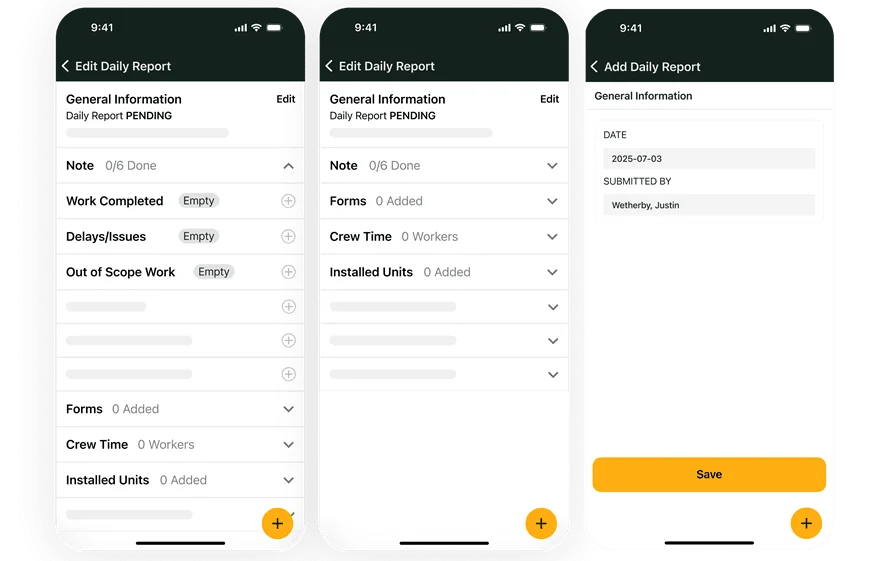
Mobile tech apps built for work in the field (like ours from BuildOps) can really speed things up. Clock-ins, job updates, time sheets, and pay can all be handled right from the phone. It cuts down confusion and keeps things moving.
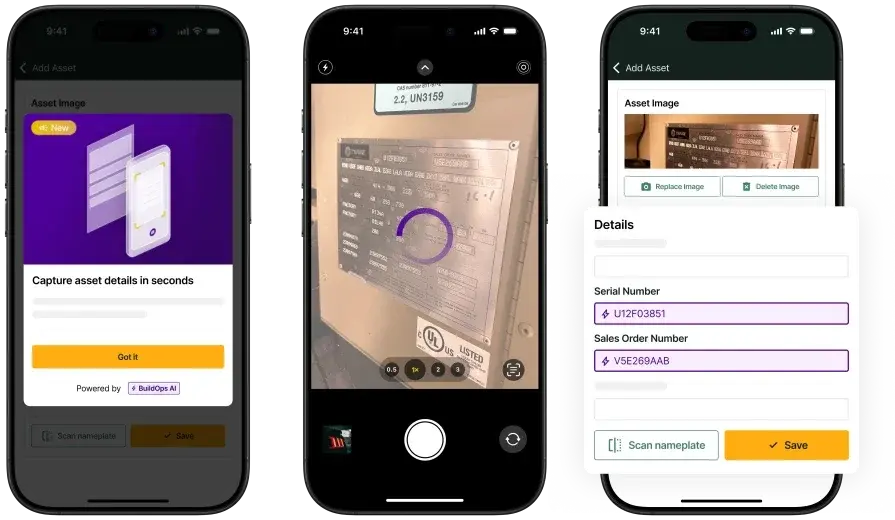
In order to retain talent, give them a system that works like the rest of their life does. If the process feels clunky on day one, they’ll be thinking about day two somewhere else.
5. Show them what your company stands for
Younger tradespeople are paying attention to more than just the paycheck. They’re looking for companies with a purpose and values they can get behind.
Make it clear what your company stands for, whether that’s giving back to the community, running safe jobs, or building real careers for your crew.
Organize events that bring your team together around a cause. Give them ways to contribute beyond the work. When people see that their company stands for something, they’re more likely to stick around.
6. Don’t sleep on competitive pay
At the end of the day, money matters. Generation Z knows what they’re worth and so do your competitors.
According to ADP Research, construction wages jumped from $58K to over $66K between 2020 and 2025. Bonuses are climbing too, with median construction bonuses hitting $1,232 (more than double what other industries are offering).
Use market data to stay competitive. You need to know where you stand so you can hire and keep the best.
The construction workplace is changing. If your talent acquisition and business strategy isn’t changing with it, you’re going to feel the pain through turnover, slow ramp-ups, and missed opportunities.
Start small. Pair up mentors. Offer benefits with options and prioritize upskilling. Invest in digital tools. And keep your pay competitive.
You’ll get more buy-in, better work, and a crew that’s built to last.