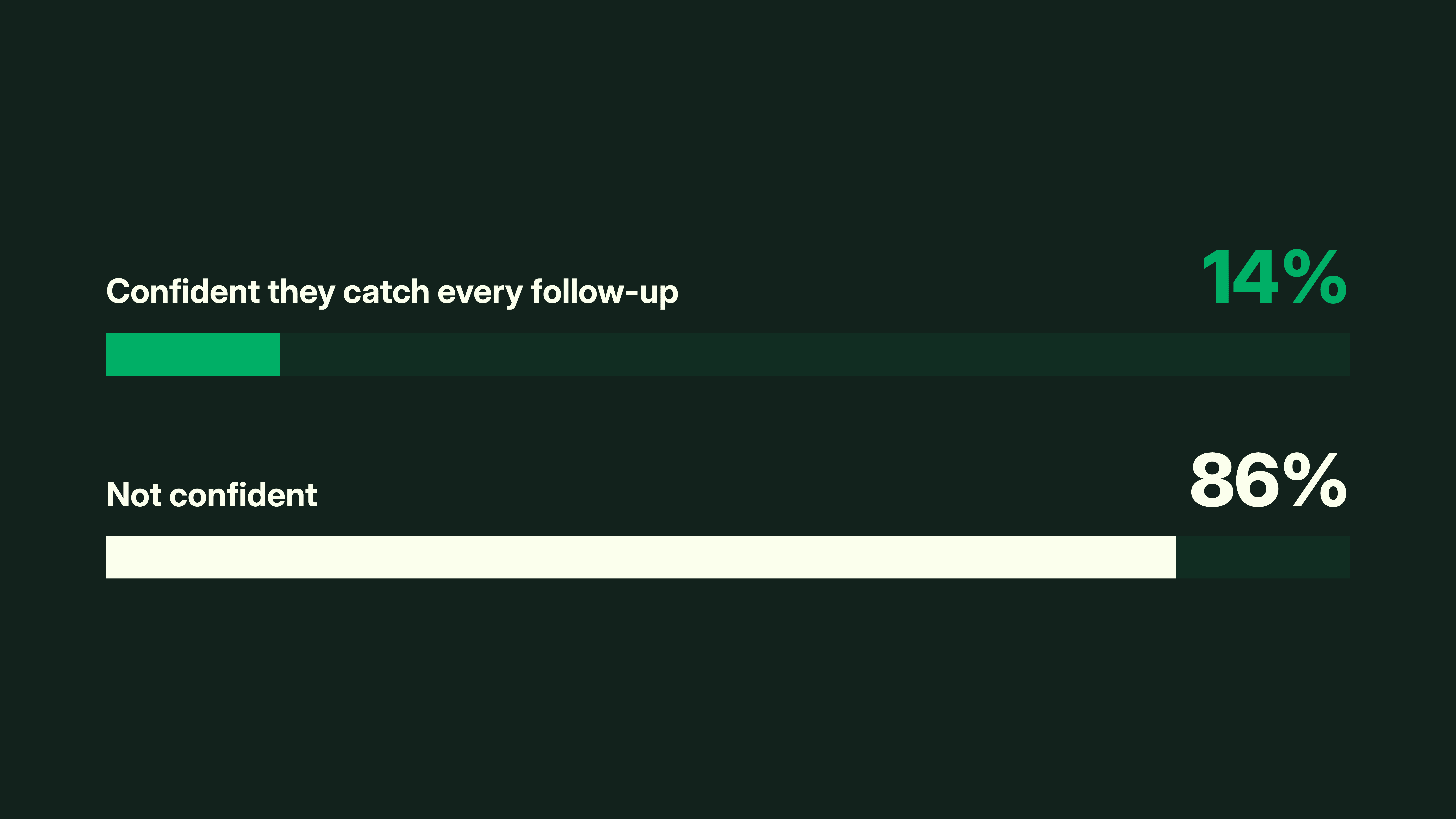
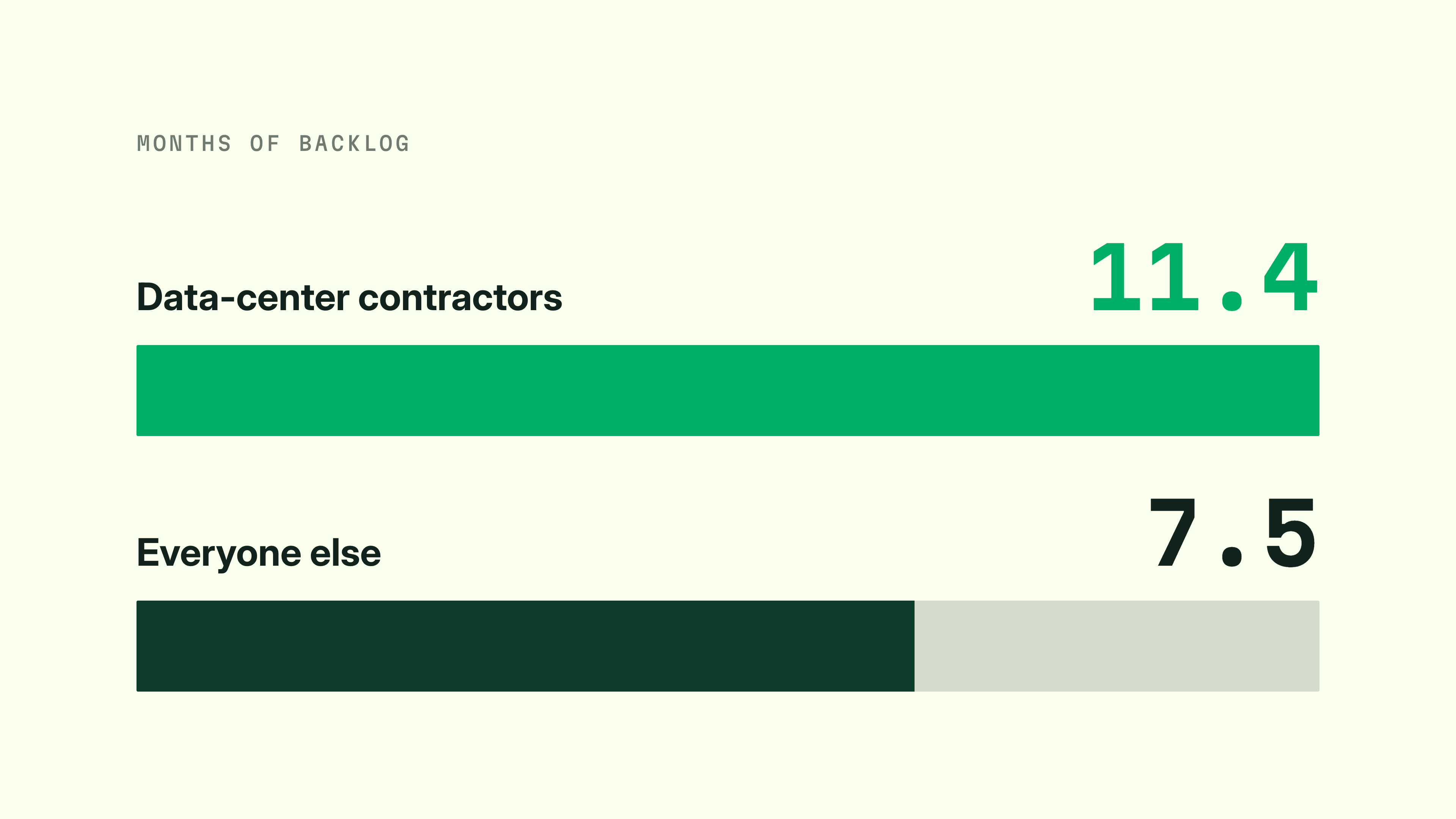
Are You Seeing Problems Early Enough?
Your issue isn't having data. It's when you see it.

Most construction problems don’t arrive as surprises. They show up first as small signals: a crew running hot on labor, a job that hasn’t billed, a familiar asset coming back for another service call. By the time those issues hit month‑end reports, your options are limited and expensive.
The difference between reactive and proactive operations isn’t having data. It’s when you see it.
- Lagging indicators (month-end profitability, reconciliation variances, 60+ day AR) tell you what already went wrong.
- Leading indicators (weekly labor drift, time-to-invoice, repeat visits within 30 days) surface while work is still in motion—when you can still rebalance, pause, or accelerate.
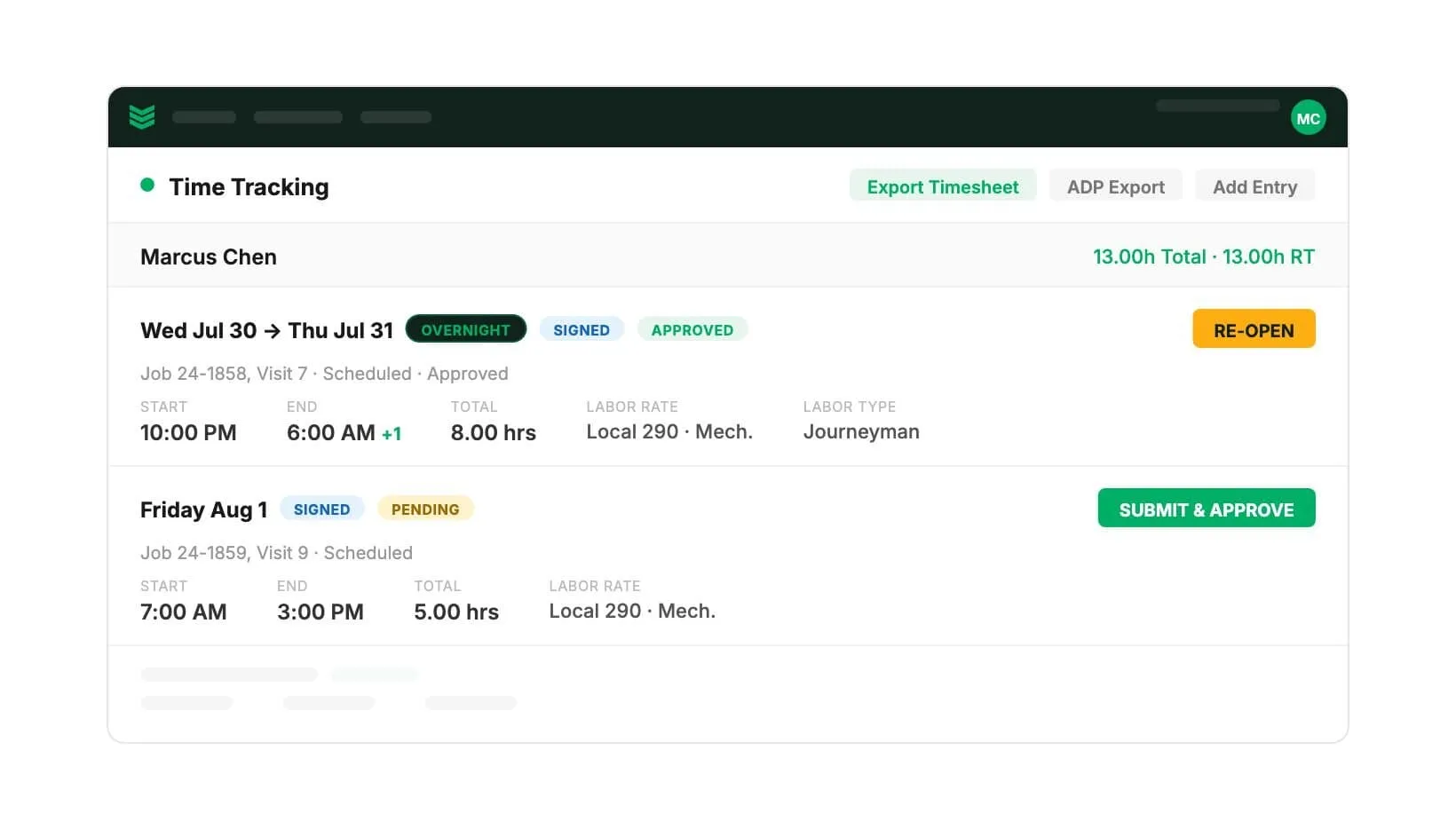
Our Proactivity Self‑Assessment is a quick way to see where you’re reacting too late across:
- Financial visibility – Over-budget jobs, late billing, missed billable items
- Operational visibility – Aging RFIs, late change orders, crew imbalances
- Workforce & dispatch – Skill mismatches, overtime spikes, uneven workloads
- Service & assets – Repeat calls, unconverted PM findings, surprise exposure at renewal
{{related-content-block="/resources/built-for-action"}}
You’ll score one point for each scenario that’s happened in the last 90 days, then see where you land:
- 0–5 → Early visibility in place
- 6–10 → Control slipping
- 11–15 → Margin already compromised
- 16–20+ → Every week is damage control
From there, the toolkit shows you where to focus first—labor, billing, or service—and how to replace end‑of‑cycle reports with in‑cycle signals your team can actually act on.