How To Sell Preventive Maintenance for Refrigeration
If you're not selling preventative maintenance plans for your commercial refrigeration service business, you're missing out on the most reliable recurring revenue stream in the industry. You're also leaving your customers exposed to costly breakdowns that could have been avoided.
We’ll help you learn what you need to know to start selling preventive maintenance contracts and lock in recurring revenue, including:
- Understanding refrigeration preventative maintenance contracts
- How much value recurring refrigeration maintenance contracts contribute to your business
- 5 strategies to sell more commercial refrigeration maintenance contracts to your customers
- 3 best commercial refrigeration preventative maintenance contract templates
Let’s jump in with understanding how the contracts need to be set up to be most effective.
Understanding refrigeration preventative maintenance contracts
A preventative commercial refrigeration maintenance contract is a formal agreement to service a customer's refrigeration equipment on a recurring schedule. Instead of waiting for something to break, you're showing up regularly to inspect, clean, and tune up their systems before small issues turn into costly repairs.
For customers running commercial refrigeration systems, proper maintenance is tied directly to regulatory compliance, operational efficiency, and their bottom line. For your business, it means predictable revenue and a steadier workload year-round.
How do refrigeration preventive maintenance contracts work?
A commercial refrigeration preventive maintenance contract locks in a recurring schedule of service visits for a customer's refrigeration equipment. The frequency varies depending on usage patterns, the type of commercial refrigeration system, and the customer's industry, but most contracts include either monthly, quarterly, or semi-annual visits.
Each visit follows an agreed-upon scope of work spelled out in the contract. This typically covers inspections, cleaning, adjustments, and documentation of system performance. The goal is proactive maintenance to catch small issues before they turn into costly repairs or unexpected breakdowns that shut down a customer's operation.
If a technician spots something outside the normal scope during a visit, like refrigerant leaks, worn door gaskets, or a component showing early signs of failure, that becomes a separate billable job. This pull-through work is one of the biggest revenue drivers that comes with a strong contract base.
What kind of work does a refrigeration preventive maintenance contract usually include?
A solid preventive maintenance contract goes beyond a quick visual check. It covers the specific tasks that keep commercial refrigeration units running efficiently and prevents the costly repairs that eat into your margins.
A well-maintained refrigeration system needs:
- Clean evaporator and condenser coils, fans, and air filters. Techs remove dirt and debris from the condenser coil, evaporator coils, and clean fan blades to ensure proper airflow. This improves energy efficiency and provides cost savings by preventing the compressor from overworking.
- Correct refrigerant levels. Verify the charge on the refrigeration unit to ensure optimal performance. Low refrigerant leads to ice buildup, poor cooling, and eventual compressor failure.
- Calibrated thermostats, controls, and sensors. Proper calibration ensures precise temperature control and keeps the system compliant with food safety standards. Miscalibrated controls lead to temperature swings that put product quality at risk.
- Intact door gaskets and tight seals. Inspect seals on the commercial refrigerator for tears or gaps that let cool air escape. Leaking gaskets strain the system and jeopardize food safety.
- Clean drain lines and drain pan. Check lines and the drain pan for obstructions to prevent water leaks and mold growth inside the unit.
- Secure electrical connections and safety checks. Look for loose connections, inspect wiring, and assess for electrical issues or potential hazards to ensure efficient operation and reduce downtime caused by unexpected failures.
- Energy efficiency recommendations. Technicians identify opportunities to reduce energy consumption and lower operating costs, from equipment adjustments to upgrade recommendations.
- Documented service reports. After every thorough inspection, techs provide a written record of maintenance performed, refrigerant levels checked, and any recommendations for repairs or future improvements.
7 components to include in a commercial refrigeration preventative maintenance contract structure
A well-built contract protects you, sets clear expectations for your customer, and makes the work easier to manage at scale. Before you hand anything to a customer to sign, make sure the contract covers these components:
- Asset list: Start with a complete inventory of every piece of commercial refrigeration equipment in the building. This means make, model, serial number, physical location, and what area of the facility each unit serves. Without a detailed asset list, you can't plan labor accurately, procure the right parts in advance, or track equipment performance over time.
- Scope of work: Spell out exactly what will be done on every visit. The more specific this section is, the less room there is for disputes about what was or wasn't included.
- Service frequency and scheduling: Define how often your team will do regular inspections and how scheduling works. Some commercial refrigeration systems require monthly attention while others can run on a quarterly or semi-annual schedule. Be sure to outline how you handle emergency calls outside of the regular maintenance schedule.
- Pricing and billing terms: Outline the total cost of the agreement, the billing cycle, and payment terms. Whether you bill monthly, quarterly, or annually in advance makes a real difference to your cash flow. Clearly state how you handle pricing work that falls outside the agreed scope.
- Service level agreements: Define your guaranteed response times for both routine visits and emergency calls. Customers running commercial kitchen equipment or cold storage depend on system reliability and need to know how quickly you'll show up when something goes wrong. A clear service level agreement builds customer satisfaction and sets you apart from contractors who don't offer one.
- Exclusions and limitations: Be explicit about what the contract doesn't cover. This protects you from customers expecting free repairs on equipment that was already failing before the agreement started. It also keeps costs predictable for both sides and prevents misunderstandings that can damage the customer relationship.
- Reporting and documentation: Every maintenance visit should produce a written record tied to a commercial refrigeration maintenance checklist. Technicians should document what was inspected, what was cleaned, adjustments made, refrigerant levels checked, and any concerns flagged. Good documentation helps customers budget for future repairs and gives you the data to back up your recommendations when pull-through work comes up.
Why sell commercial refrigeration maintenance agreements to your customers?
Your customers aren't refrigeration experts. They're running restaurants, grocery stores, and food operations where refrigeration equipment is critical infrastructure. A preventive maintenance agreement gives them peace of mind knowing that if anything happens to their refrigeration systems, your company will be there to fix the problem.
Given the importance of preventative maintenance for large-scale refrigeration systems, these maintenance plans practically sell themselves. Here's how to pitch a maintenance contract to your customers:
- It protects them from emergency expenses. A $4,000 annual maintenance plan is an easy decision when the alternative is a critical failure that can run up to $8,000 per incident — and that's before you factor in lost revenue. A proactive approach with regular visual inspections catches developing issues early to ensure optimal performance and minimize downtime.
- It keeps them compliant with health and safety standards. For most of your customers, properly maintained refrigeration isn't optional. Restaurants, grocery stores, healthcare facilities, and other commercial operations are subject to strict regulations around temperature control and food safety. Failing equipment can mean failed inspections, spoiled inventory, and hefty fines. Regular maintenance keeps their systems running to standard and keeps regulators off their back.
- It improves energy efficiency. Poorly maintained refrigeration systems work harder than they need to. Dirty condenser coils, clogged air filters, and worn gaskets all force a unit to consume more energy to maintain temperature. Regular cleaning and adjustments keep energy costs in check and help customers avoid excessive energy consumption.
- It extends equipment life. Commercial refrigeration equipment is a significant investment. Without proper maintenance, small issues compound into system-wide failures that force premature replacement. A well maintained refrigeration system performs at optimal levels longer, protecting the customer's capital investment and giving them more predictable budgeting over time.

How much value recurring refrigeration maintenance contracts contribute to your business
Reactive service calls pay the bills. Maintenance plans build a business.
Recurring refrigeration maintenance agreements generate consistent service work, protect margins, and build predictable revenue that makes your operation easier to run and more valuable if you sell.
Pull-through revenue multiplies the value of every contract
The real profit shows up in the additional work technicians uncover during routine visits. When your team performs preventive maintenance on commercial refrigeration systems, they catch dirty coils, refrigerant leaks, worn door gaskets, and failing compressors before those problems become 2 a.m. emergencies.
Across the industry, pull-through revenue potential ranges from $1 to $3 in additional repair and replacement work for every $1 of service agreements. Commercial refrigeration equipment runs hard, which means more wear items to catch.
Maintenance agreements deliver stronger margins
Preventative service work runs around 40% gross margin, compared to 24% on installation jobs where you bid against competitors cutting price to win.
Your technicians already know the site, the equipment, and usage patterns. They show up, work through the commercial refrigeration preventive maintenance checklist, and identify repairs to schedule.
Recurring contracts strengthen business value
Service contracts change how your company looks to buyers or investors. If they see $8 million in project-based installation revenue, they have no idea what next year will bring. A $3 million maintenance contract base tells a different story. These agreements renew at around 90% year over year, so next year's revenue is predictable.
That stability lets you staff confidently, plan equipment purchases, and stop chasing every bid. If you sell, contract revenue trades at a higher multiple because it carries far less risk.
5 strategies to sell more commercial refrigeration maintenance contracts to your customers
Building a strong contract base doesn't happen by accident. Here's what works.
1. Start with your existing customers
Your existing customers are the lowest-hanging fruit when building a service contract base. You've already done work for them, they trust you, and you likely know their commercial refrigeration systems better than anyone else.
Reach out to past and current clients first. Walk them through what a proper maintenance plan covers and what it can cost them to go without one. Customers who've already experienced a costly repair or unexpected breakdown with you are especially receptive — they've already felt the pain firsthand.
2. Lead with their pain points
Before pitching anything, ask questions. What are they spending on emergency repairs? How old is their equipment? Have they dealt with unexpected failures that disrupted operations or hurt product quality?
Customers respond to contractors who take time to understand their specific situation. When you build a service agreement around what they're actually dealing with, it feels like a solution rather than an add-on.
3. Show them the cost of doing nothing
Most customers underestimate what deferred maintenance actually costs them. Break it down clearly.
A commercial refrigerator that isn't cleaned regularly works harder than it needs to. A unit's condenser that's caked with debris, air filters that haven't been changed, and drain lines that haven't been cleared all drag down system performance and drive up energy consumption month after month. And when a system finally fails, they're looking at emergency labor rates, premium parts pricing, and potential product loss. Laying out that math in plain terms makes the value of a proactive approach obvious.
4. Make the contract clear and easy to say yes to
A service agreement that confuses customers stalls sales. Be specific about everything upfront — services included, how often regular inspections will occur, what trained technicians will check during every thorough inspection, payment terms, and what falls outside the scope of the agreement.
Write it in plain language and review it with them in person before anyone signs. A customer who fully understands what they're getting is far more likely to sign and far less likely to become a headache down the road.
5. Offer tiered service options
Your customers have different budgets and needs. A tiered approach gives them options:
- Inspection contract: Regularly scheduled visits where technicians look for problems — unusual noises, refrigerant leaks, ice buildup, worn components — and report findings to the customer. Low cost, limited scope. Work identified during inspections is billed separately.
- Preventive maintenance contract: Everything in the inspection tier, plus the actual work. Cleaning coils, clearing drain lines, checking refrigerant levels, replacing air filters, and routine adjustments are all included. This is the most commonly sold tier and the one that drives the most pull-through work.
- Comprehensive coverage contract: Full coverage of labor, parts, and emergency calls. Customers get maximum protection and predictable operating costs. This tier also makes proper operation and reducing energy consumption a shared responsibility between you and the customer.
Tiered pricing opens the door to upselling as the relationship develops. Customers who start at a basic level and see the value tend to move up.
3 best commercial refrigeration preventative maintenance contract templates
A good contract template saves time and keeps your agreements consistent across every customer. Here are three options worth knowing about, ranging from straightforward downloadable documents to full software platforms built for commercial refrigeration businesses.
1. Refrigeration Preventative Maintenance Platform | BuildOps
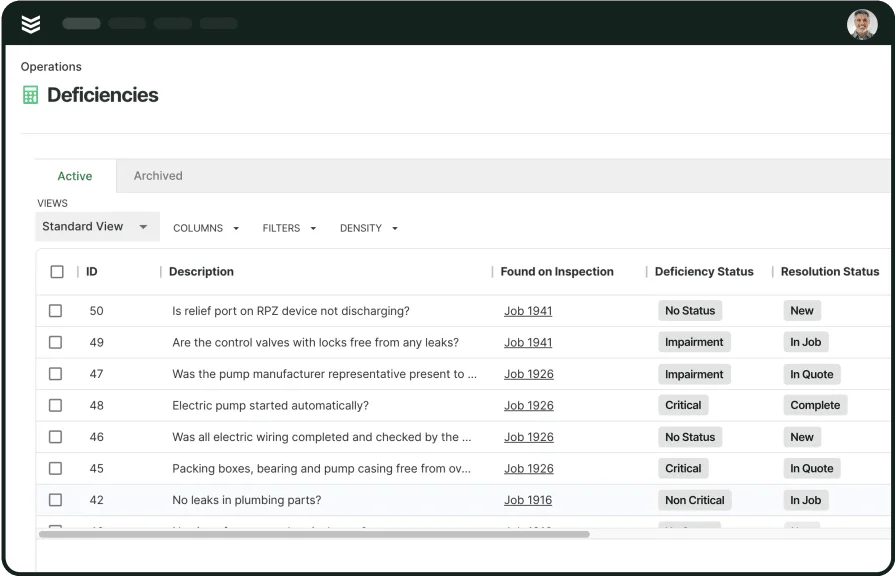
BuildOps is a comprehensive platform built specifically for commercial contractors to manage service agreements, dispatch, and invoicing in one system. It tracks customer assets and service history across multi-property clients, automating recurring schedules so nothing falls through the cracks.
By connecting office operations with field technicians in real time, it streamlines high-volume work that standard templates simply can't manage. Service Agreement management is built right into the platform.
What To Take From This Template: Advanced client and asset tracking transforms a static contract into a dynamic system that manages service history and recurring maintenance schedules across multiple sites automatically.

2. Planned Refrigeration Maintenance Contract | PDFfiller
This covers the core components of a solid maintenance agreement — scope of work, billing terms, limitations of liability, termination clauses, and owner obligations. It's easy to customize directly in the platform, and built-in e-signature support means faster approvals without the paperwork.
What to take from this template: The limitations of liability and termination clauses are well-constructed and give both parties clear legal protection that a homemade agreement typically leaves out.
See PDFfiller’s refrigeration maintenance agreement template here.
3. Refrigeration Maintenance Agreement | DocHub
DocHub's offers a subscription-based template that covers the key components of a service contract — payment obligations, warranties, limitations of liability, termination conditions, and dispute resolution. The template is straightforward and easy to share directly with customers for review and e-signature.
What to take from this template: The built-in dispute resolution and arbitration provisions give both parties a defined path forward if disagreements arise — something most basic templates skip entirely.
See DocHub’s refrigeration maintenance agreement template here.
How to scale your commercial refrigeration maintenance program
BuildOps gives commercial refrigeration contractors the infrastructure to support a growing contract base without the wheels coming off. Here's what that looks like in practice:
- Asset history is centralized and maintenance schedules run automatically, so nothing slips through the cracks
- Dispatch assigns technicians based on skill and availability
- Bulk scheduling lets you filter visits by zip code and assign one tech to knock out multiple stops in the same area
- Predefined parts ordering and pre-loaded tech workflows mean your team shows up prepared
- Profitability tracking shows dollars planned versus spent per customer, and total margin combining service visits plus pull-through work
When that foundation is in place, managing a growing contract base stops feeling like administrative overhead and starts running like the scalable, high-margin operation it's supposed to be.