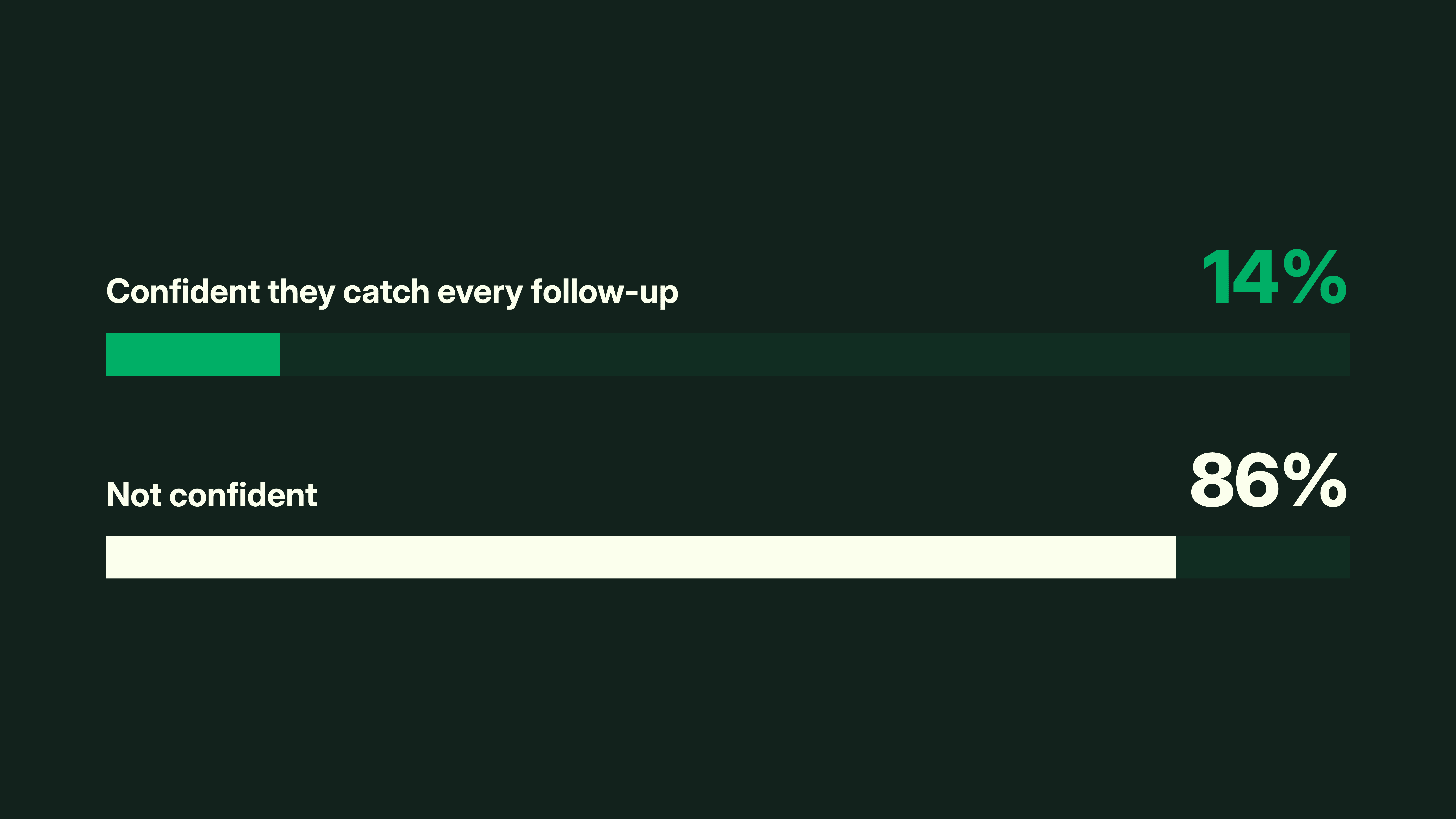
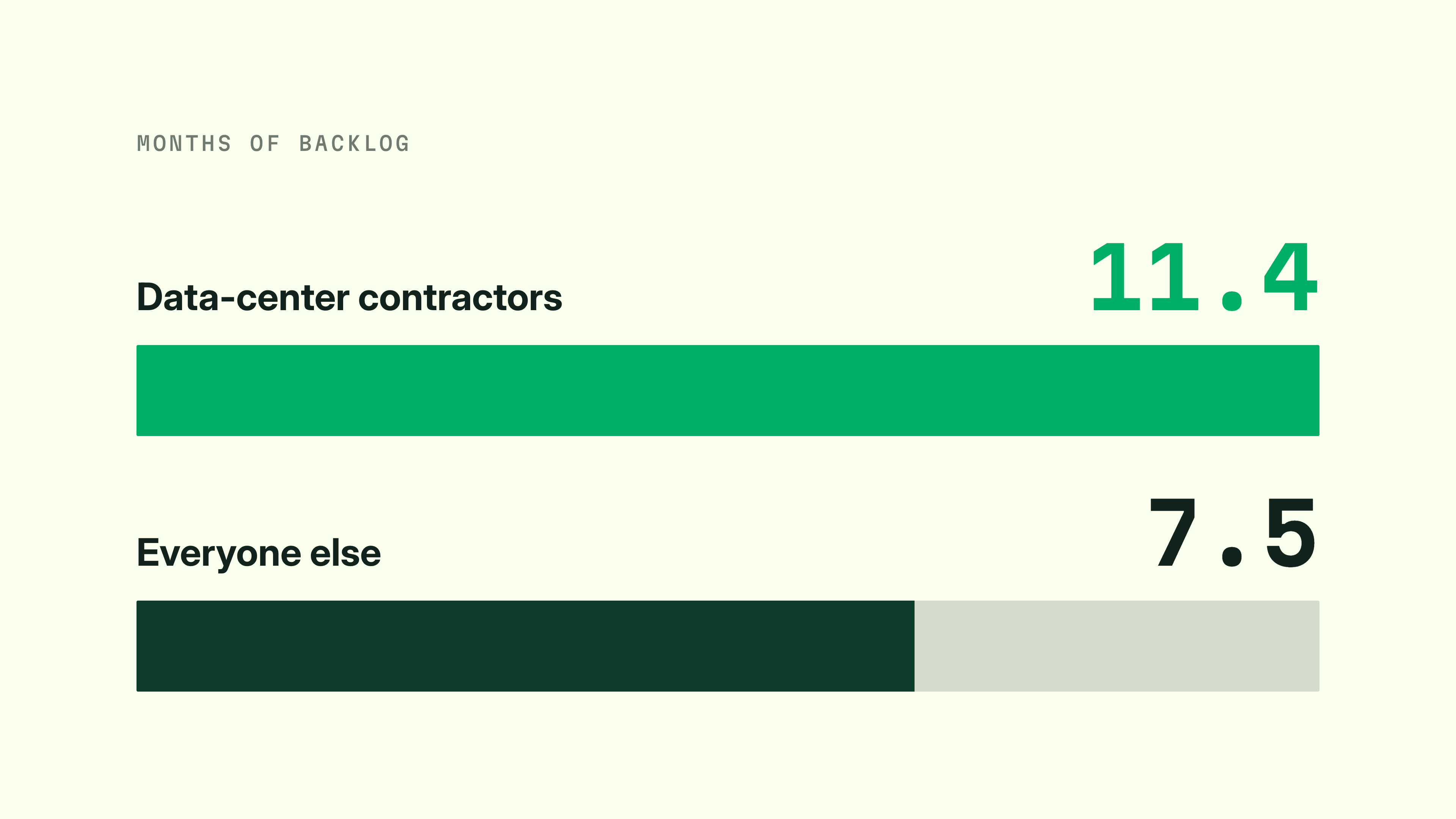
When Knowledge Walks Out the Door
How commercial contractors lose momentum — and margin — every time a team member leaves.

A tech quits mid-project. A PM moves on. A dispatcher retires.
Whatever the reason, the result is the same: critical job knowledge disappears. Pricing context, schedule adjustments, vendor decisions, site-specific workarounds — details that were never written down and now live nowhere.
Contractors face one of the highest turnover rates of any industry. Skilled trades turnover hit 73.1% in 2025. And every exit leaves the same gap: the next person has to start from scratch while the work keeps moving.
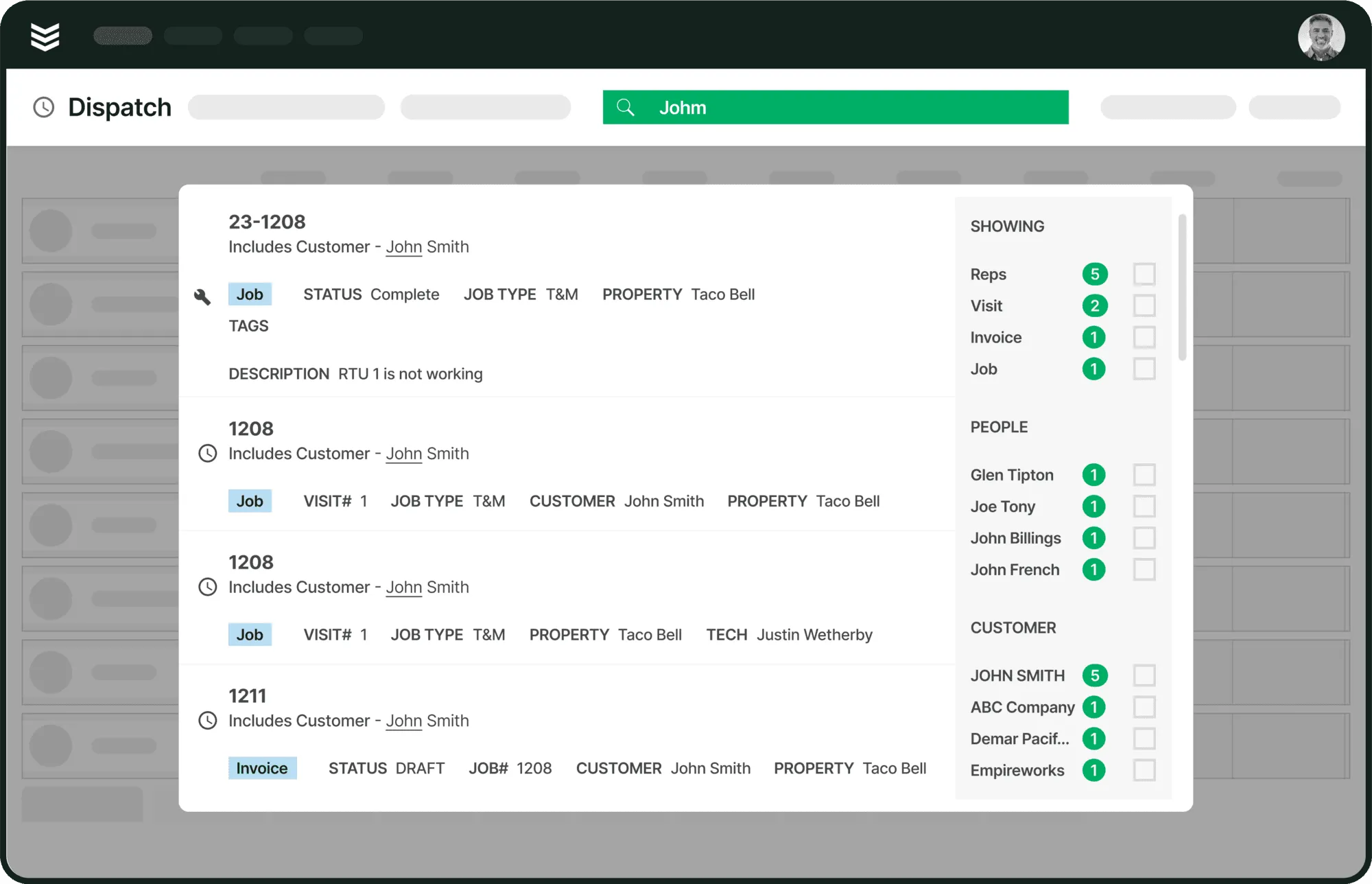
The real problem isn't turnover. It's where the knowledge lives.
Most teams already know documentation matters. But when job details are spread across inboxes, PDFs, text threads, and shared drives, "documented" doesn't mean "findable."
60% of field service teams still rely on disconnected tools that weren't built for the work. Techs default to memory. PMs dig through folders. And billing stalls while someone chases down a change order that was approved over the phone three weeks ago.
The guide breaks down exactly where knowledge gets lost, what it costs when it does, and why more documentation doesn't fix a systems problem.
What changes when job knowledge stays with the job
When information moves with the work — not just with the person doing it — handoffs stop being fire drills.
"BuildOps keeps us from missing details, and that means fewer mistakes, fewer callbacks, and happier customers."
Naomi Fritzinger
Operations Manager at B&L Glass
PMs pick up mid-scope without digging. Service techs show up already knowing the history. Billing doesn't wait on missing details. And the results speak for themselves:
- Certified Fire: 250% increase in profits
- Omnia Mechanical: AR dropped from 120 days to 30
- B&L Glass: Quotes approved 63% faster