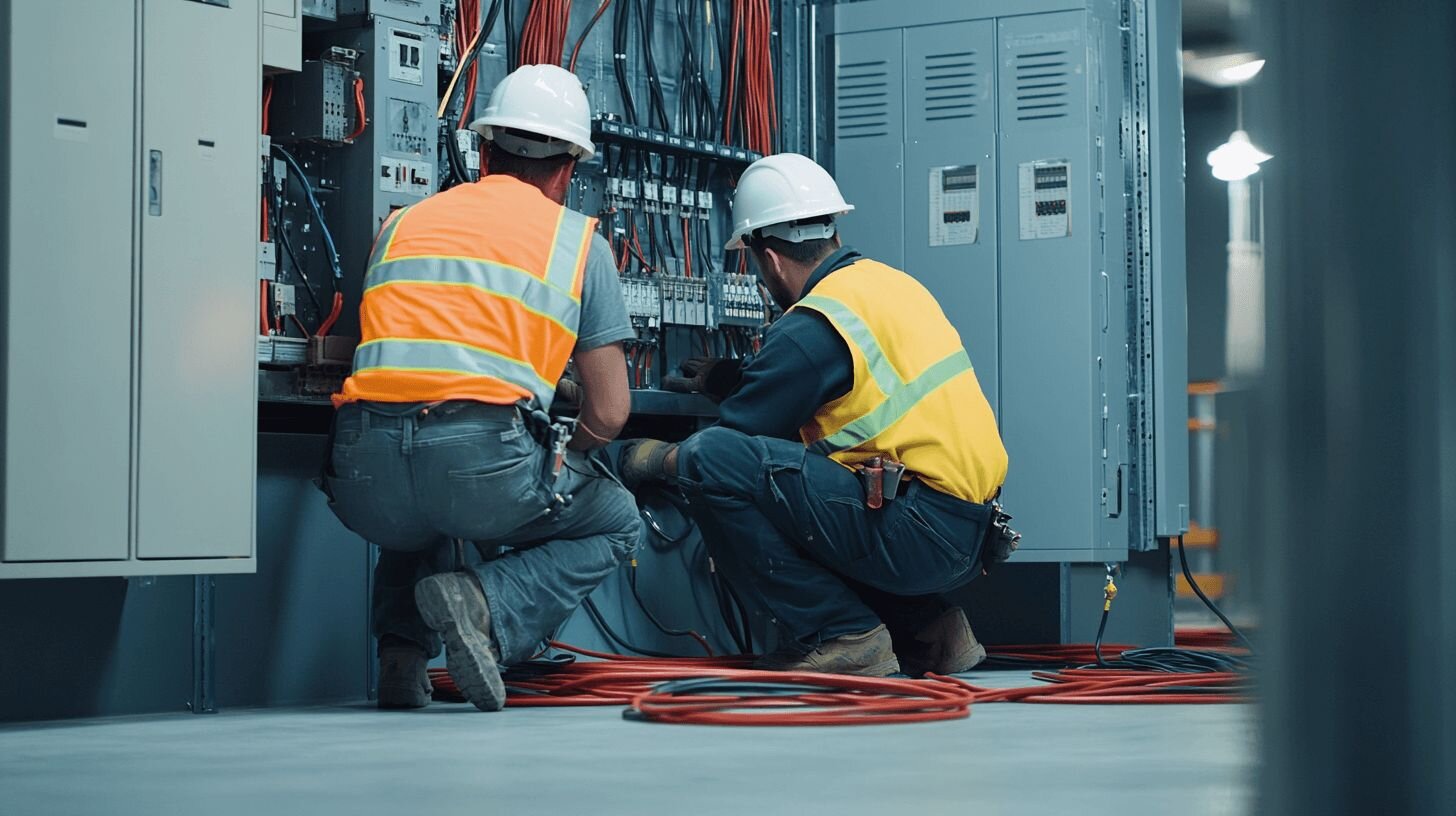
Commercial jobs live and die by electrical work. From temp power to final inspections, nothing moves without them. Over the next decade, demand’s only going up, but the labor pool isn’t keeping pace.
The Bureau of Labor Statistics is projecting about 81,000 electrician openings every year through 2034. Microsoft’s even estimating the U.S. could need half a million more electricians to keep up with rising demand.
That’s from new projects, shifting tech demands, and a steady wave of retirements. The electric trade is the fastest growing employment segment, not just in construction but in the overall U.S. economy.
If you want to stay ahead, you need a plan to find, train, and keep the people who keep your projects moving.
The Hard Numbers Driving the Shortage
There’s no guesswork here. The data paints a clear picture.
- 81,000 electrician openings a year, every year through 2034.
- 9% job growth across the decade, way above the average for all occupations.
Why so many openings?
It’s not just new construction. A big chunk of the current workforce is aging out. Many are retiring or leaving the trade, and replacements aren’t coming in fast enough to close the gap.
And the money’s there. As of 2024, the median wage for electricians is $62,350, with the top 10% making over $106,000. Government and manufacturing jobs push even higher, up into the $70K–$100K range.
For younger tradespeople looking for a steady, well-paying career, the opportunity is wide open. Unfortunately, the supply of new electricians isn’t keeping pace with demand. Apprenticeships take time, and not everyone who starts sticks with it.
Why Demand’s Set to Explode
Electricians are critical to everything commercial contractors are being asked to build right now. Ben Burget, Gray Constructions VP of data centers, said, “It’s all about electricians, on every project. That's the longest pole of a tent on every project.”
And it’s not just one type of project driving the surge. Across the board, demand for electrical work is rising fast.
Here’s what’s fueling it:
- Data centers are booming. These jobs need massive amounts of temporary and permanent power, and nothing gets commissioned without qualified electricians.
- Alternative energy is scaling fast. Solar, wind, and battery systems don’t install themselves. Every connection, from rooftop panels to backup generators to microgrids, needs skilled electrical labor to design, wire, and tie it into the grid.
- The grid’s getting more complex. Between overloaded local infrastructure, power-hungry projects, and stricter energy codes, jobs now require electricians who can troubleshoot, adapt, and build smart from day one.
- Retirements are accelerating. Many experienced electricians are aging out of the workforce, and there’s no quick way to replace decades of field knowledge.
How the Shortage Impacts Contractors
If you’ve tried staffing electricians lately, you know the squeeze is real. When you can’t get enough on-site, everything slows down.
Delays pile up fast since other trades sit idle until wiring’s in and power’s flowing. With jobs running multiple shifts and tight timelines, there’s no buffer when labor falls behind. Crews are working overtime, burnout is climbing, and turnover is a constant risk.
Wages are rising, and seasoned electricians are getting poached mid-project for better offers. Big contractors are outbidding smaller ones with bonuses, perks, and a clearer path forward.
And this electrical labor crunch isn’t letting up anytime soon. If you want to stay competitive, you can't afford to wait. You need a plan now. Here’s where to start.
Planning for the Long Game
You’re not going to fix the electrician shortage overnight, but you can set yourself up to win long-term.
Contractors who take labor planning as seriously as logistics are the ones who’ll keep jobs moving while everyone else scrambles.
Here’s how to get ahead:
- Build relationships with schools and unions. Get in early with local apprenticeship programs. Show up, speak to classes, offer site tours, and become the shop young electricians want to join.
- Invest in tech that lightens the load. Digital platforms that streamline scheduling, track labor hours, and flag slowdowns help you do more with fewer people. They also show younger workers that your company isn’t stuck in the past.
- Train from within. Don’t wait for the market to hand you journeymen. Cross-train helpers, invest in foreman development, and promote from inside your crew.
- Forecast your labor. Know what you’ll need three, six, and twelve months from now, not just next week. If your project pipeline’s growing, your hiring plan should match it.
- Make it a better place to work. Competitive pay matters, but so do the extras, like bonuses for reliability, tool stipends, flexible schedules, and clear paths for advancement. When people feel valued, they stick around.
The contractors who plan for workforce demand now will be the ones delivering projects on time later. Don’t just react. Prepare.
Final Word: The Trade That Keeps Everything Moving
Electricians are the foundation of every commercial project. Over the next decade, they’ll be the hardest trade to staff and the easiest way to fall behind if you’re not ready.
The numbers don’t lie: demand is climbing, the workforce is shrinking, and the stakes are getting higher.
Whether you’re wiring a data center, tying in backup power, or keeping critical systems online, you need reliable electricians on the ground.
Contractors who ignore this will feel it in blown timelines, busted budgets, and burned-out crews. But those who get ahead of it by investing in people, tech, and training will have a serious edge.
Start now. Because in the next ten years, nothing’s getting built without electricians.