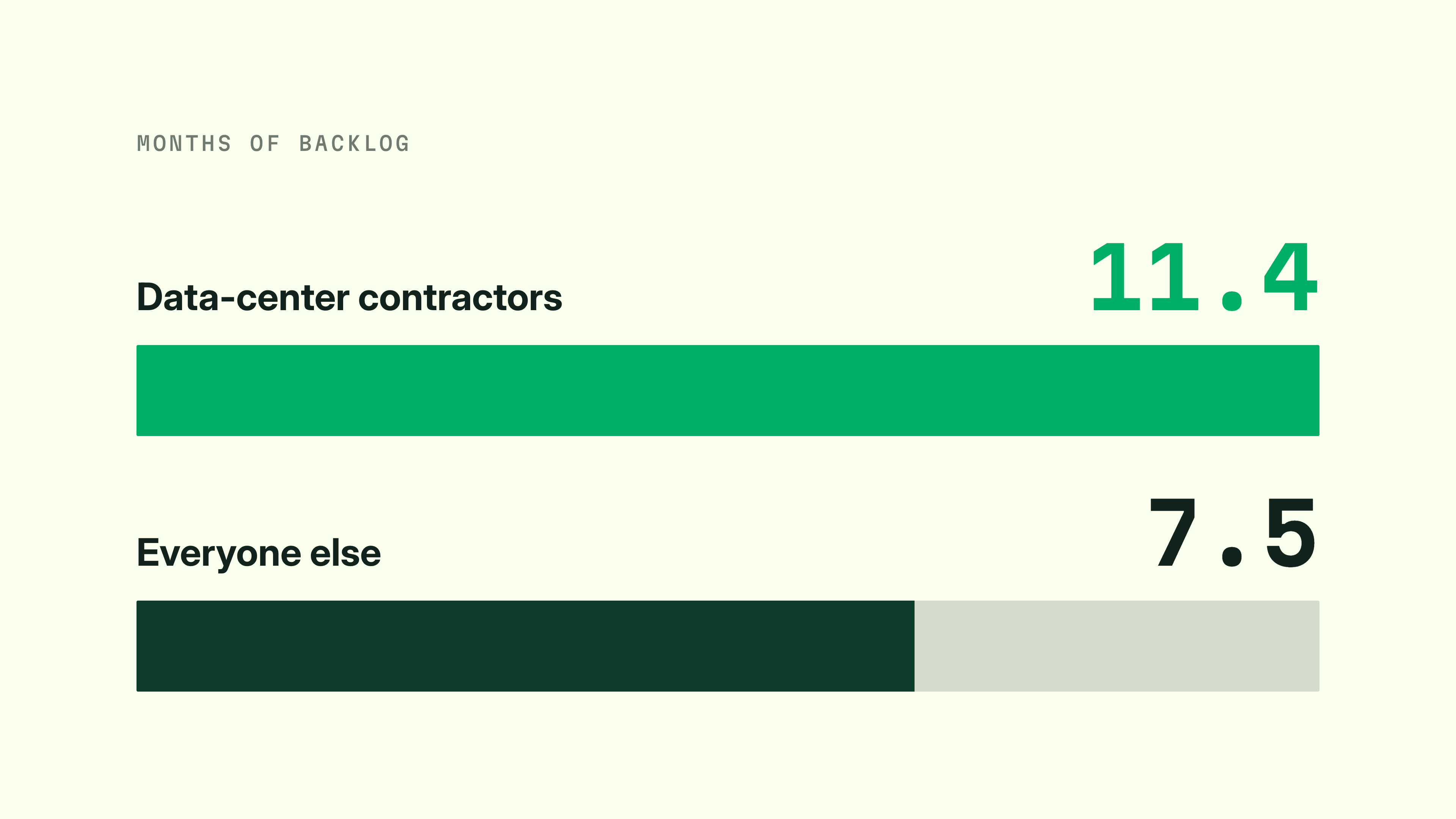
Practices that used to be exclusive to billion‑dollar builds are now expected on projects a fraction of that size. Mega projects raised the bar, and clients started asking a simple question: if it’s possible there, why can’t I expect it everywhere?
Now, even smaller-scale work comes with mega expectations. Real‑time updates, airtight documentation, and clear accountability are required to keep work moving, meet client demands, and avoid costly mistakes.
With the stakes raised, more than half of contractors are investing in tools to stay competitive. Contractors that are still relying on disconnected systems and manual workflows aren’t losing work because their crews can’t perform. They’re losing it because their systems can’t keep up with the new standard.
What Breaks First Under Bigger Expectations
The pressure doesn’t hit all at once. It shows up in admin overload, tool sprawl, and rising expectations on the same-size team.
These were once manageable growing pains. But with clients now expecting the speed, accuracy, and documentation standards of billion-dollar builds on every job, they’ve become deal-breakers.
Here’s where cracks tend to show first.
Admin Overload Worsens as Documentation Expectations Rise
Seventy-four percent of contractors say operations are more complex than ever. For most teams, that complexity shows up first as admin overload.
RFIs stack up, documentation requirements keep expanding, and compliance checks that used to be occasional are now constant. None of it is optional, and all of it takes time, usually from the same people who are already stretched thin.
Over time, the admin work starts to run the day because the workload grew faster than the internal processes meant to handle it.
System Sprawl Slows Teams and Hides Risk
The systems most contractors are using weren’t built for this kind of pressure. According to the Pivot Point report, 30% of leaders say outdated tech is limiting their growth, and another 30% say fragmented systems are actively dragging down performance.
One team’s working off an old spreadsheet, another’s buried in email chains, and the person who actually has the answer? They might already be on to the next job — or worse, out the door for good.
When critical job knowledge lives in a Frankenstack of disconnected apps or in one person’s head, it’s only a matter of time before it gets lost. Even the most capable teams can’t move fast when every answer is buried in a different system or was never documented in the first place.
Rising Burnout, Shrinking Bandwidth
Workloads are growing, but headcount isn’t. Skilled labor is still in short supply, with 47% of contractors reporting that nearly 1 in 5 positions are unfilled.
That pressure is wearing people down. Sixty-nine percent of contractors report rising burnout across their workforce, and it’s not hard to see why. Chappell Brock, a CSM at BuildOps, described what that looks like on the ground:
“The office teams...used to have someone who helped them with payroll, reporting, and analytics. They don’t have that person anymore. I was speaking with a client, and she was working a lot. She said, 'I tap out at about 11 hours a day.’ And that sort of pace is not sustainable in the long run.”
That’s the reality for a lot of contractors right now.
The expectations are sky-high, teams are short handed, and there’s no margin for error. When that kind of pressure builds, small gaps turn into real problems. Details get missed, jobs slow down, and opportunities fade simply because no one has the time or space to stay on top of them.
The Hidden Costs of Sticking With the Status Quo
If your tools, workflows, or systems haven’t kept up with the pace of today’s jobs, the impact shows up quickly in delays, burnout, and missed revenue. But the bigger risk comes over time, as your firm becomes harder to run, harder to work with, and easier to pass over.
Lost Bids Driven by Outdated Systems
More and more owners and GCs expect digital collaboration from day one. If your team can’t share updates, track changes, or deliver documentation without a dozen follow-ups, your company is harder to work with and easier to cut.
Clients want to know you can keep up. If your workflows still run on paper, Excel spreadsheets, or siloed systems, your company will keep getting passed over no matter how solid your work itself is.
Turnover Fueled by Broken Processes
As mega project standards ripple into everyday commercial work, teams are expected to move faster, document more, and stay fully aligned. Manual processes and outdated tech make that nearly impossible and put increasing strain on your workforce.
When workloads are unmanageable and communication is unclear, burnout and attrition follow. Gallup research shows burnout is driven less by hours worked and more by how the work is experienced, especially when people feel unsupported, overwhelmed, or out of the loop.
That’s the reality for your crew if you’re relying on disconnected systems to manage increasingly complex operations.
Contractors leading the way are investing in tools that give teams visibility into job status, reduce repeat data entry, and streamline how information moves between people.
A strong platform won’t solve burnout alone, but it helps prevent the kind of daily friction that sends your best people out the door.
Compliance Gaps That Create Real Liability
Staying compliant with changing codes and policies is a full-time workload. Fifty-eight percent of contractors say code compliance consumes more resources than any other project phase, and 40% are already using AI or compliance software to help ease the burden.
When deficiencies sync automatically into service workflows, quoting and repairs move faster. When compliance reports update in real time, there’s no scrambling when the audit rolls in. And when inspection history and asset data are easy to access, teams can stay ahead of recurring issues instead of reacting to surprises.
How Contractors Are Adapting to the New Standard
You can’t control how fast expectations are rising, but you can control how you respond. The contracting firms staying competitive are working smarter by choosing tools that lighten the load without lowering the bar.
Purpose-Built Mobile Tools for Techs
Emails and spreadsheets don’t cut it when projects are more complex, timelines are tighter, and decisions need to happen fast. But most contractors are still stuck using generic tools that weren’t built for the job. According to Gartner, 60% rely on spreadsheets or standalone apps, and nearly a third still manage operations manually.
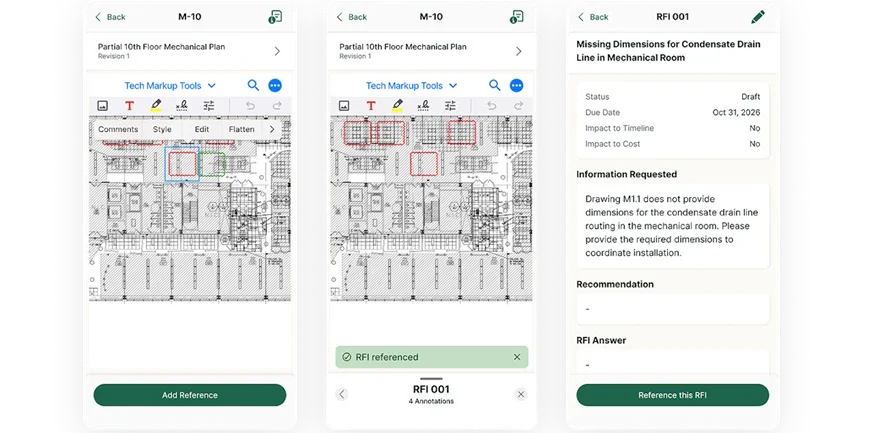
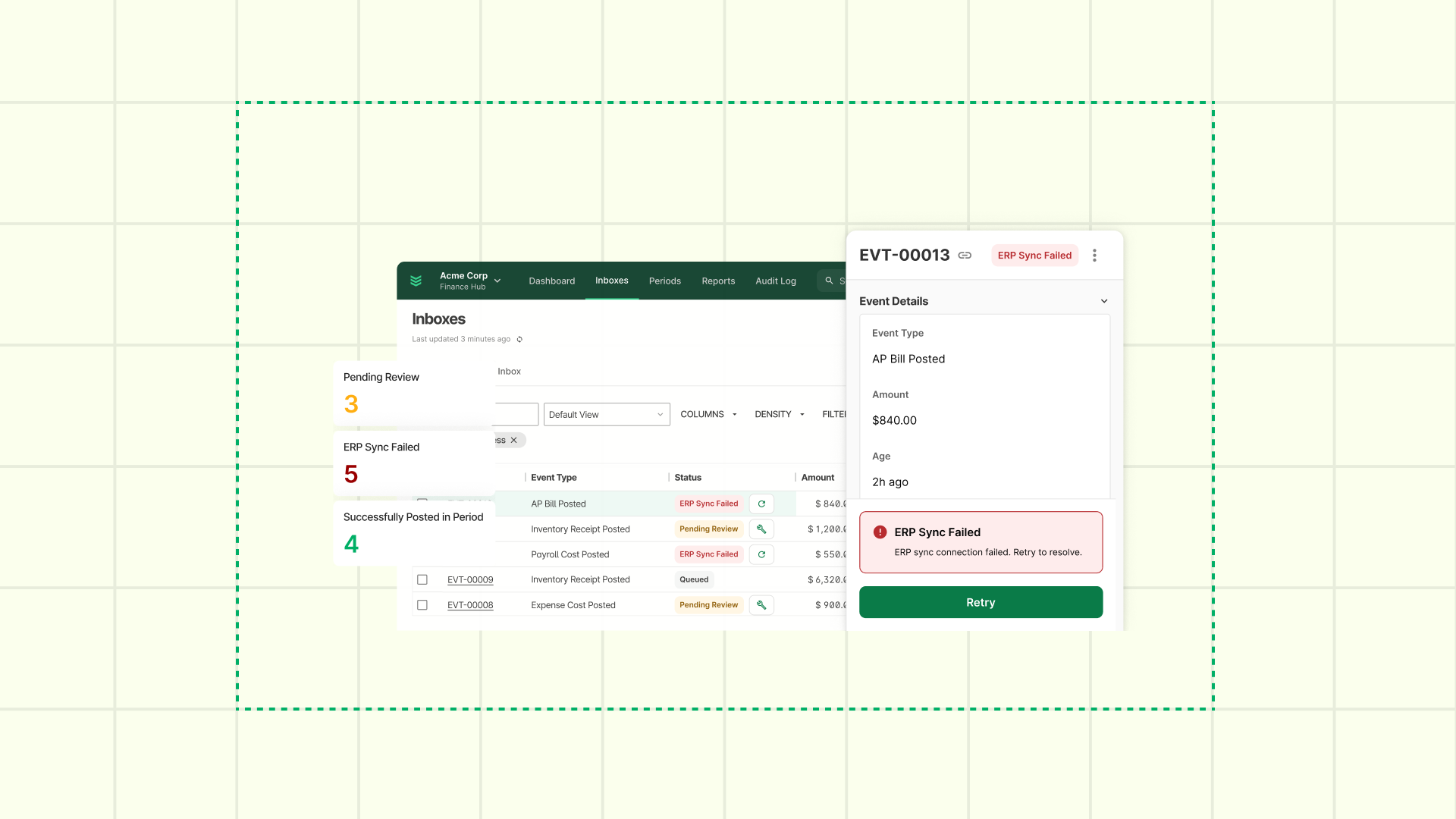
Contractors leading the way are putting mobile field apps directly in the hands of their techs. With tools built specifically for field service, RFIs, photo logs, and markups flow back to the office in real time.
Everyone sees the same information, whether it’s a dispatcher scheduling the next job or a project manager reviewing site notes before quoting work. “The office loves [our field tech software] because the technician has the information all at their fingertips and isn't calling them every ten minutes,” said Page Rosenlund, General Manager at Jolma Electric.
Connected Software That Keeps Every Team Aligned
Disconnected tools slow everything down—from field updates to office billing. Critical information gets scattered across spreadsheets, email chains, and siloed apps, making it harder to track progress, spot risks early, or take action before small issues snowball into bigger ones.
To keep up with today’s pace and complexity, more commercial contractors are turning to software designed specifically for their workflows. With everything in one system, teams can reduce admin, improve accuracy, and make faster, more informed decisions. As Duncan Grazier, Chief Technology Officer at BuildOps, put it: “When all these parts of the project live on one system, you stop managing documents and start managing profitability.”
Quoting and Invoicing Built to Move at Today’s Pace
Legacy systems still slow down two of the most important parts of your business: quoting and invoicing. Whether it’s techs jotting details in Word docs or admins tracking approvals by email, manual steps pile up — and so do delays.
Contractors who’ve made the switch to integrated tools are seeing serious gains. One team saw quote approval times drop 63%, from nearly 10 days to just 3.5. Another cut invoicing time by over 30%, improving cash flow and reducing financial strain. When quoting and billing move faster, so does your entire business.
With modern systems:
- Techs can build quotes in the field using real-time labor and parts data.
- Approvals happen in one place, without bouncing between apps or emails.
- Work orders sync from field to office the moment the job wraps.
- Invoices go out same-day with fewer errors and no double entries.
In today’s market, speed wins. The right tools let you quote sooner, get paid faster, and win more business without burning out your team.
Scheduling That Matches People to the Work
As commercial work gets more complex, scheduling can’t be based on who’s next on the board. More specialized jobs, tighter timelines, and higher expectations mean teams have to match the right people to the right work every time.
Contractors adapting to this reality are using smarter scheduling tools to reduce idle time, balance workloads, and assign jobs based on skills, certifications, and past performance. That visibility helps managers see who’s overloaded, who has capacity, and where adjustments need to be made before problems show up in the field.
In one case, improved dispatch and scheduling alone cut technician downtime by more than 40%, increasing throughput without adding headcount.
When scheduling accounts for complexity instead of ignoring it, teams stay productive and projects stay on track.
Struggling to keep up with rising expectations?
BuildOps can help.