Mastering Commercial Construction Megaprojects
Megaprojects are no longer outliers. Across the country, multi-billion-dollar builds that include data centers, advanced manufacturing plants, transportation initiatives like high-speed rail lines, and energy infrastructure projects like oil and gas complexes are the norm. AI and cloud demand, economic growth, and reshoring initiatives are driving projects that span years and impact entire regions. Federal investment and private stakeholders are making the large investment commitments required to fund these massive projects.
For commercial construction teams, the boom brings opportunity–and numerous challenges that carry real potential risk. McKinsey research shows construction cost overruns averaging 79% with delays of 52%, due primarily to common challenges facing megaproject construction like coordination and execution failures.
The bar keeps rising for commercial construction firms, and the teams that will win these massive projects are the ones that have project management teams that are more disciplined, stronger decision-makers, and who are better prepared to operate at scale to meet the complex project requirements when compared to their competitors.
To show you how to become a team like that, we’re going to cover:
- Project delivery stages for megaproject management
- Top 4 project management weaknesses that lead to megaproject failure
- What megaprojects mean for commercial contractors in the trades
- Can you handle a commercial construction megaproject: 4 questions to ask
Let’s start with the stages that make up a commercial construction megaproject.
Project delivery stages for construction megaproject management
The most successful project management teams treat project planning as a structured, repeatable process from preconstruction to the completion process. Here’s how top commercial contractors plan projects with such vast complexity once the contract is signed.
Stage 1: Managing resources and strategic alignment
Preconstruction is about aligning project timelines, sequencing, risk allocation, and accountability across the multiple stakeholders involved. This also is the time to plan labor and equipment, and review the supply chain to secure materials. Successful commercial teams:
- Are involved early
- Flag constructability issues
- Validate schedules
- Lock in clear roles before commitments harden
Stage 2: Defining scope and sequencing by zone
Major projects don’t move as one job. Instead, they move by zones, systems, and milestones. Break the project into controllable units, defining handoffs among trades and sequencing installs to avoid late-phase collisions. When zoning isn’t clear, rework explodes, impacting the project timeline, budget, and the contractor’s reputation.
Stage 3: Executing with real-time visibility for project managers
Once contractors start construction, successful execution depends on daily visibility. Progress, labor burn, inspections, and changes must be tracked by system and zone. Relying on lagging reports or disconnected tools doesn't work on megaprojects, where there simply are too many project components that need oversight happening at one time.
Stage 4: Navigating commissioning, closeout, and turnover
In the final stretch, testing, inspections, documentation, and live operations converge under tight timelines. Teams that plan commissioning early and treat closeout as a rolling process avoid the construction cost overruns that define failed megaprojects. When closeout is seamless, owners are prepared for long-term operations of their new facility.
Top 4 project management weaknesses that lead to megaproject failure
Megaprojects collapse because the operation behind the work can’t keep pace with the scale. As projects grow larger, faster, and more interconnected, familiar weaknesses stop being manageable and start negatively impacting the project’s bottom line.
Here are the breakdowns that consistently derail megaprojects for commercial teams:
1. Systems don’t scale with the work
When crews multiply, schedules compress, and scopes overlap, disconnected tools and manual processes create blind spots. Once teams lose a clear, shared view of what’s happening, execution starts drifting and recovery gets expensive.
2. Risk stays invisible until it’s irreversible
On major projects, risk creeps in through small schedule slips, missed updates, and delayed decision-making. Without timely, reliable signals from the field, teams don’t see problems forming until cost overruns and schedule impacts are already in motion.
3. Minor misses trigger major chain reactions
A small change in one area can ripple across inspections, procurement, labor planning, and downstream trades. When teams can’t see how work connects across systems and zones, chain reactions go unchecked and turn routine adjustments into runaway overruns.
4. Coordination breaks under pressure
Multiple contractors, overlapping scopes, and parallel schedules demand constant alignment. When teams operate in silos or hand off work without shared context, delays stack up, accountability blurs, and progress slows even as effort increases.
What megaprojects mean for commercial contractors in the trades
The scale of megaprojects changes expectations, risk, and execution standards for all trades. We’ll dive into the big three that are impacted by this market.
HVAC
Megaprojects fundamentally change the HVAC role. HVAC contractors build mission-critical infrastructure that must perform under live load, with zero tolerance for failure. They manage complex, high-density systems across multiple zones, coordinating tightly with electrical, controls, and commissioning agents. High levels of redundancy, precision cooling, and energy efficiency are expected.
Late-phase pressure hits HVAC hardest, as industry data shows incomplete HVAC commissioning can increase MEP costs by up to 40%.
- Systems must perform before occupancy
- Commissioning windows shrink
- Rework in live environments drives premium estimated total costs
Success at these major projects require repeatable systems, strong project management and decision makers, and real-time coordination. Top HVAC project managers track progress daily by zone, maintain inspection-ready QA logs, design for scalability without overbuilding, and close out with complete documentation.
Electrical
Electrical work becomes the backbone of the entire megaproject build. Data center downtime costs millions per hour, so it’s imperative work is executed precisely. Timelines are locked, gear deliveries are tight, and late-phase tasks stack fast, so electrical contractors must successfully:
- Manage large crews across shifts
- Coordinate temp power and live cutovers
- Maintain inspection-ready documentation at all times
Top electrical project managers prove readiness by maintaining real-time visibility into certifications, progress by zone, and commissioning status. They plan for phased power from day one, document every change clearly, and adapt sequencing quickly when conditions shift.
Fire & Life Safety
Fire and life safety (FLS) work expands dramatically on major projects. FLS teams engage earlier, stay longer, and coordinate across more systems, zones, and inspections than ever before.
Success depends on orchestration and constant alignment despite changes for:
- Temporary systems
- Phased installs
- FHA requirements
- AHJ coordination
- System integration
The best FLS project managers plan inspections early, track work digitally by zone, pretest systems before witness tests, manage logistics systems, and build turnover packages continuously instead of waiting for the end. They treat documentation as a safety and financial shield, not an afterthought.

Can you handle a commercial construction megaproject: 4 questions to ask
Most commercial teams don’t lose megaprojects because of bad intent or poor effort, but because their operation can’t scale without friction. Before committing, take an honest look at whether the business can handle the complexity, speed, and accountability megaprojects demand.
1. Do you have real-time visibility, or delayed answers?

At megaproject scale, project management decision-making happens daily and often under pressure. If answers depend on manual reporting, side spreadsheets, or delayed updates, risk compounds quickly. Teams that truly are ready operate from live conditions, not last week’s data. They can adjust course early because they see reality as it unfolds, not after the damage is done.
2. Do operational issues surface early, or after margins are hit?
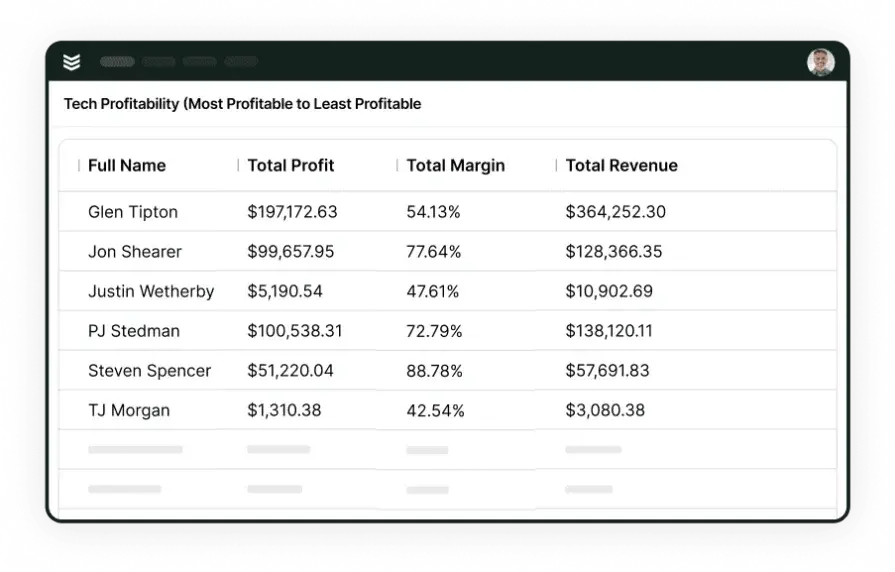
Small misalignments in the field, scheduling drift, or scope confusion escalate fast when dozens of crews work in parallel. Ready teams have operating rhythms that surface friction early and assign ownership immediately.
3. Is information shared, or siloed?

When field teams, project management, operations, and finance operate on different versions of the job, coordination slows and risk multiplies. Megaproject-ready teams run from a shared view of the work, allowing decision-making to move faster and changes to flow cleanly from execution to billing.
4. Will systems hold up under pressure, or break down?
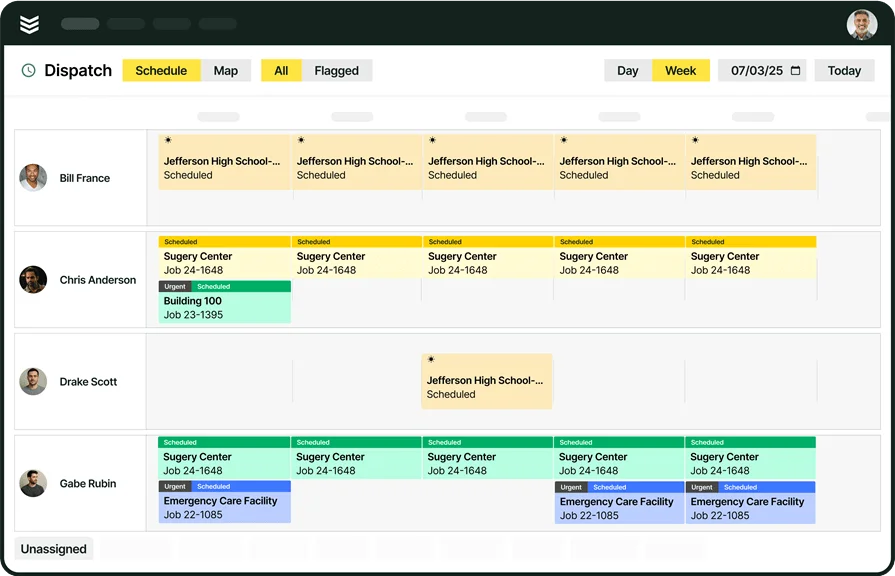
If current tools already feel stretched, adding more crews, more zones, and tighter timelines will amplify the issue. Teams that succeed at complex projects have a foundation that supports complexity, giving project managers confidence the system will scale as the job does.
Proactive commercial teams will lead the next generation of megaprojects
Megaprojects and other large-scale infrastructure projects are no longer rare, one-off investment projects. Such projects bring vast complexity, multiple stakeholders, regulatory approval hurdles, and supply chain pressure that traditional project management processes weren’t built to handle.
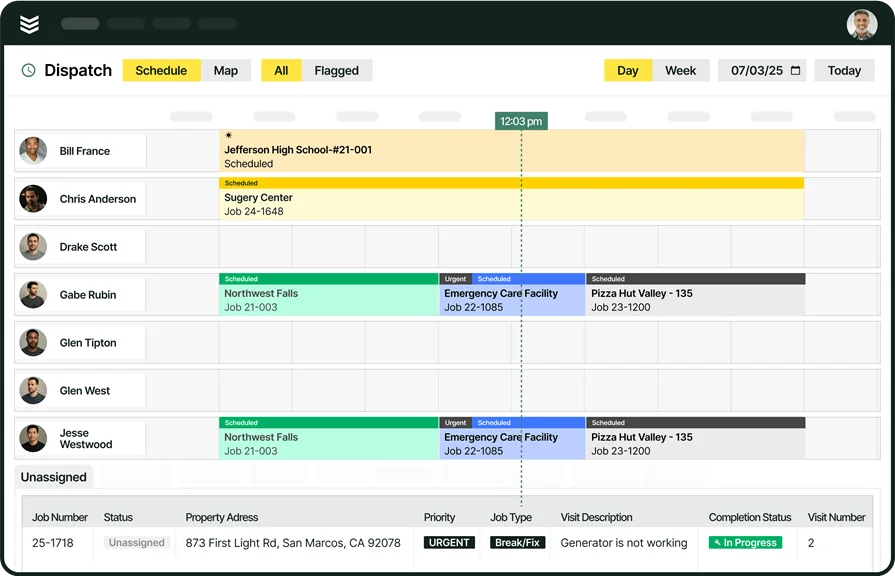
Megaproject managers and project managers need systems designed for large-scale projects. BuildOps gives commercial teams one platform that's purpose-built for megaproject management, supporting project planning, supply chain and stakeholder management, and project delivery from early stages to final product handoff.
With real-time visibility into cost overruns, project timelines, and field execution, BuildOps helps decision-makers manage potential risks, adapt to changing project requirements, and keep long-term operations stable after they start construction.