How To Get Electrical Contracts: Bid Smart, Win Fast

Steady work comes from a repeatable system, not luck. If you’re figuring out how to get electrical contracts, you already live with bid clocks, PM calendars, and SLAs that can squeeze margins fast. In the electrical industry, seasoned field service managers lean on software to handle the grind—scoping and pricing, dispatching techs, tracking materials, capturing proof, and renewing agreements without drama.
This guide speaks to contractors who run crews or solo techs and use field service management every day. You’ll get practical plays to land maintenance and project agreements, keep trucks busy, and protect profit on each visit. Here’s what we’ll cover:
- What are electrical contracts?
- Why generating electrical service contracts is so important for contractors
- How to get more electrical contracts as a contractor
- 8 best tools for finding & managing electrical service contracts
Your calendar controls cash. Every signed contract sharpens dispatch, tightens material buys, and steadies cash flow. In the sections ahead, you’ll see what electrical maintenance contracts look like, how to turn them into long-term accounts, and the software workflow that carries electrical service contracts from estimate to job tracking, invoicing, and renewal.
What are electrical contracts?
Electrical contracts set scope, price, risk, and performance for service, maintenance, retrofits, and capital work. They translate design intent and operating needs into enforceable terms your office and field teams can execute without guesswork.
Expect fixed price, T&M with not-to-exceed language, unit-rate tasking, and recurring electrical maintenance contracts with PM schedules and SLAs. Strong agreements lock down asset lists, testing standards, response windows, warranty limits, change control, and documentation requirements so every visit produces clean proof-of-work.
Electrical contract software ties the agreement to daily operations, including:
- Estimators - pull assemblies and labor rates from a live price book, then push the award straight into planned visits
- Dispatch - uses contract SLAs to prioritize tickets and route techs
- Mobile workflows - capture time, materials, photos, and test values against the exact contract line
- Billing - fires based on milestones, scheduled PM, or usage—no re-keying
- Leadership - sees margin by site, contract, and portfolio, which drives renewals and pricing strategy on the next round of electrical service contracts and long-cycle accounts
Why generating electrical service contracts is so important for contractors
A strong base of electrical service contracts stabilizes labor, inventory, and cash. Recurring agreements create a dependable backlog, lift technician utilization, and cut acquisition costs by growing existing accounts instead of chasing one-off calls. PM visits surface retrofits and energy upgrades, while documented SLAs and inspection records justify recommendations and speed approvals. That steady cadence also protects bid discipline—your team can pass on low-margin work because the calendar already carries predictable revenue from electrical maintenance contracts.
Field service software makes the model scale. Automated PM schedules prevent SLA slips. Real-time job costing catches margin drift before it spreads. Asset histories, test reports, and photos remove friction during billing and compliance reviews. Renewal dashboards flag expiring terms, indexation, and upsell paths so your team moves first. With that foundation, you can win electrical contracts selectively and keep margins clean across the portfolio—while feeding electrical bidding with real performance data that sharpens labor, material, and risk assumptions.
{{related-content-block="/resources/electrical-bidding"}}
How to get more electrical contracts as a contractor
Building a healthy book of contract work takes deliberate action. If you’re mapping out how to get electrical contracts, use repeatable plays that prove competence, reduce risk for the client, and keep your crew productive. Below are eight strategies, each tied to how software supports the workflow.
1. Build a reliable estimating system

Contract wins start with clear, defensible estimates. Use assemblies and labor formulas that reflect field reality, then present a contract-ready proposal with scope, exclusions, alternates, and schedule-of-values. When your numbers hold up under scrutiny, clients trust your delivery plan, which sets the stage for electrical maintenance contracts and multi-site agreements.
How BuildOps helps: Estimators tap AI electrical estimating software to calculate costs with precision and produce clean proposals fast. The system tracks revisions, ties scope to labor and materials, and generates documents that help you win electrical contracts without guesswork.
2. Strengthen your online presence
Decision-makers check your digital footprint before they greenlight a contract. Publish case studies with KPIs, safety stats, and commissioning reports. Showcase certifications, industries served, and response benchmarks. Keep listings accurate and highlight your electrical service contracts capabilities, including SLAs and multi-site support.
How BuildOps helps: Export polished job histories, photos, test results, and completion notes to feature on your site and social profiles. That proof signals reliability and readiness for contract work.
3. Use electrical apps to stay connected

Contracts live and die on communication. Mobile apps keep dispatch, techs, and the client aligned on scope, change orders, and approvals. Fast answers during site walks and PM visits build confidence and turn conversations into signed extensions and renewals.
How BuildOps helps: The electrical mobile app links office and field in real time. With tools built for field teams, your crew sends updates, photos, and notes that strengthen every interaction tied to electrical contracts.
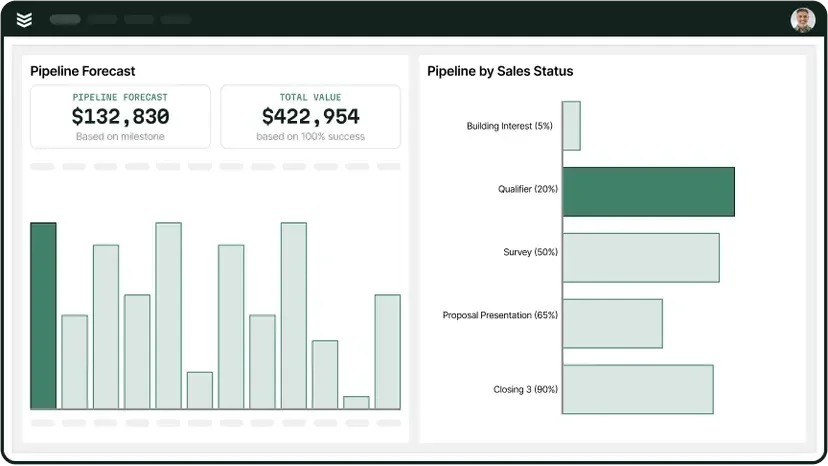
4. Track costs and bids carefully

Tight cost control separates strong contractors from the pack. Know labor productivity, travel impact, and material volatility by contract type. Use that history to set margins and craft schedules-of-values that match actual delivery.
How BuildOps helps: Cost tracking flows from the field into each contract, so you see performance in real time and bill against milestones or recurring PM with accuracy.

By applying principles from electrical cost estimating, your team can review past contracts and sharpen proposals for new agreements.
5. Follow up with quotes quickly
Speed wins. Send a clear, itemized proposal while the scope is fresh in the client’s mind. Include assumptions, alternates, and eSignature so an accepted quote converts to a contract without delays.
How BuildOps helps: BuildOps streamlines quote creation so your team sends proposals directly from the field. With an electrical quote app, techs turn site conversations into written offers that close electrical maintenance contracts before competitors react.
6. Improve service workflow with software

Clients notice disciplined operations. Standard checklists, documented test results, and clear handoffs show control from kickoff through invoicing. A clean workflow reduces mistakes and proves the agreement will be executed as written.
How BuildOps helps: Scheduling, job updates, forms, and customer notes live in one system. Using electrician service software, your team runs a professional process that turns signed electrical contracts into long-term accounts.
7. Manage scheduling with precision

Overbooking and missed windows damage trust. Match the best-fit crew to each task, protect SLA commitments, and avoid conflicts across sites. When your calendar reflects contract priorities, clients feel the reliability they bought.
How BuildOps helps: Advanced tools like electrical contractor scheduling software assign jobs by skill set and availability. This gives your team capacity to handle multiple contracts without slipping on quality or timing.
8. Equip crews with field service tools
Your techs carry the relationship on site. When they access drawings, photos, and checklists from their phone—and capture proof-of-work instantly—you demonstrate control and make approvals easy. That professionalism supports renewals and expansions across portfolios.
How BuildOps helps: BuildOps equips field teams with electrical field service software to update job details, attach photos, and get confirmations in seconds. This capability strengthens every visit and supports a steady pipeline of electrical maintenance contracts and electrical service contracts.
{{related-content-block="/resources/dane-electric"}}
8 best tools for finding & managing electrical service contracts
Securing electrical service contracts takes a dependable toolkit, not luck. The list below highlights platforms contractors use to find opportunities, build accurate estimates, protect SLAs, and keep field teams aligned from site walk to renewal. For each option, we call out strengths and potential limits so you can choose what fits your contract strategy.
1. Best for commercial contractors: BuildOps
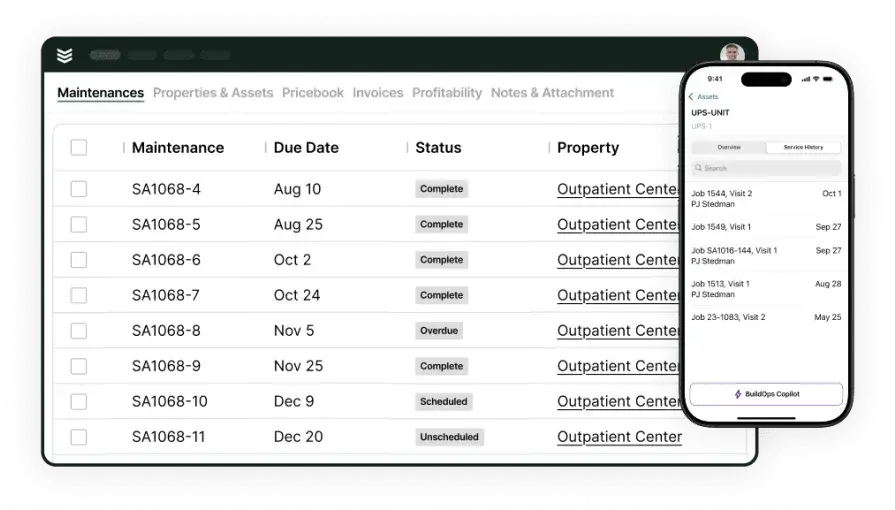
BuildOps connects contract pursuit with execution for commercial electrical teams. Estimators pull assemblies and labor from a live price book, scope accurately, and generate proposals with schedules, exclusions, and SLAs that reflect field conditions. Capacity forecasting and pipeline views help align takeoffs with crew availability so awards transition cleanly to the schedule.
For estimating depth, the platform ties estimating to field service management so the handoff to dispatch, crew assignment, and SLA tracking stays tight across multi-site portfolios.
How pricing works: Subscription with per-user licensing and modules tailored to team size and workflow needs
Key features: Integrated CRM and pipeline, estimate creation with live price book, proposal generator with schedules of values, contract repository, capacity forecasting, SLA-aware dispatch boards, technician mobile app, reporting and analytics
Why it’s best for electrical contracts: BuildOps ties estimating and contract management into a single workflow, giving commercial contractors clear control from scoping through scheduling so teams can win and fulfill recurring agreements with confidence
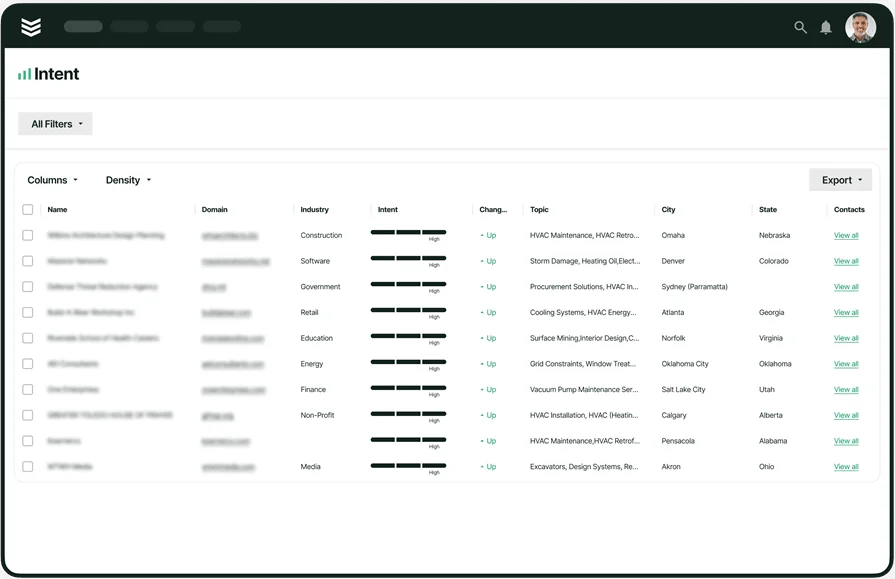
2. Best website to find electrical contracts: Angi
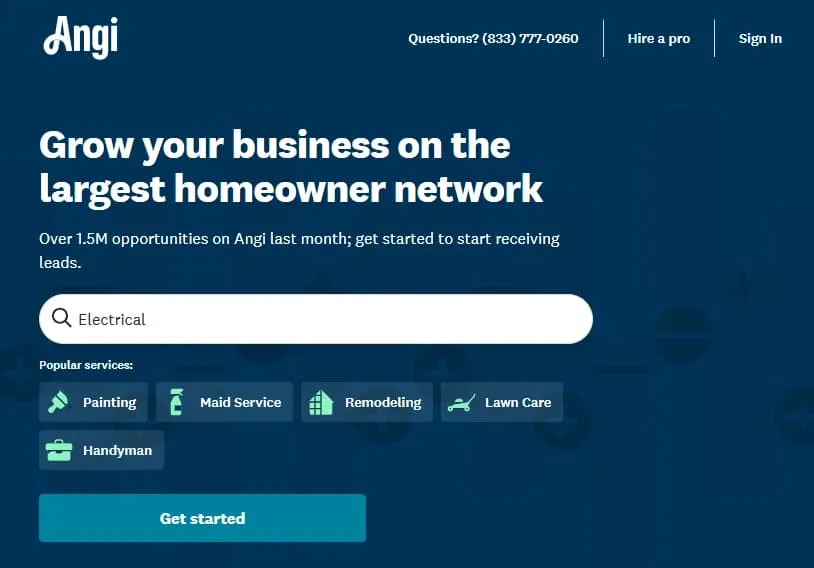
Angi lists residential and light-commercial requests where property owners actively seek contractors. Electricians use it to secure panel upgrades, service calls, and small installs that can convert into electrical service contracts or maintenance plans when handled well. It may not be ideal for larger contract pursuits because competition can be heavy and the pay-per-request model can compress margins if you are not selective.
How pricing works: Angi follows a pay-per-request model with optional membership tiers for expanded access.
Key features: Filters by location and project type, homeowner messaging, verified reviews, and profile pages that highlight past work.
Why it’s best for electrical contracts: A steady stream of homeowner and small-business requests can become recurring work—use PM checklists and fast estimating to move qualified requests into signed agreements.
3. Best general contractor directory for electrical contracts: HomeAdvisor
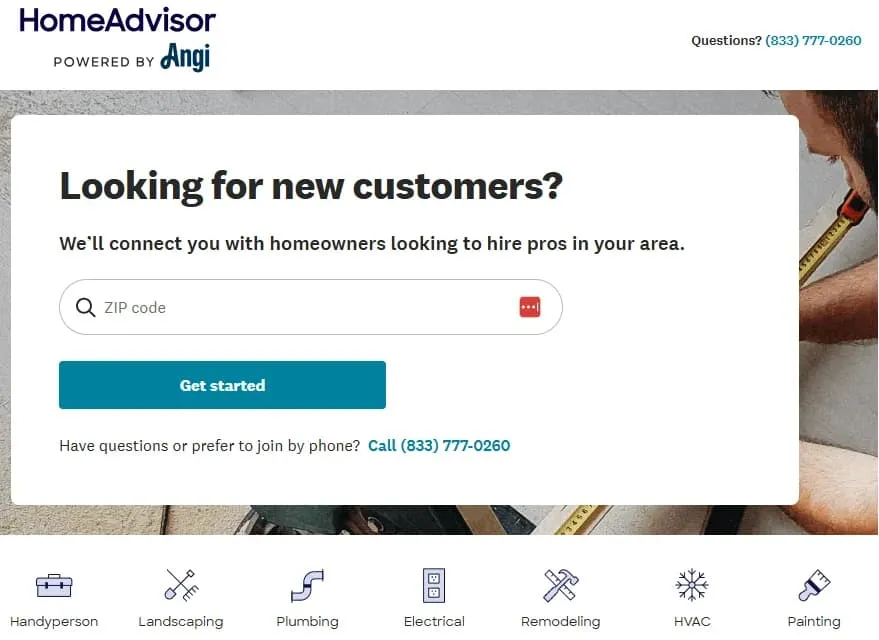
HomeAdvisor connects trade contractors with builders and remodelers who need specialized crews. Many electrical teams watch these directories for tenant improvements, service upgrades, and retrofit scopes that lead to formal agreements. It may not be ideal for targeted pursuits because response speed, paid placement, and regional competition can influence which firms get contacted first.
How pricing works: HomeAdvisor charges per request, with pricing that varies by job type and region.
Key features: Detailed profiles, verified reviews, service-area targeting, project notifications, and company badges.
Why it’s best for electrical contracts: Access to GC-driven opportunities helps you position your team for service agreements tied to renovations and multi-site rollouts—use disciplined estimating to turn qualified requests into signed electrical contracts.
4. Best residential-focused FSM for simple contract workflows: Housecall Pro
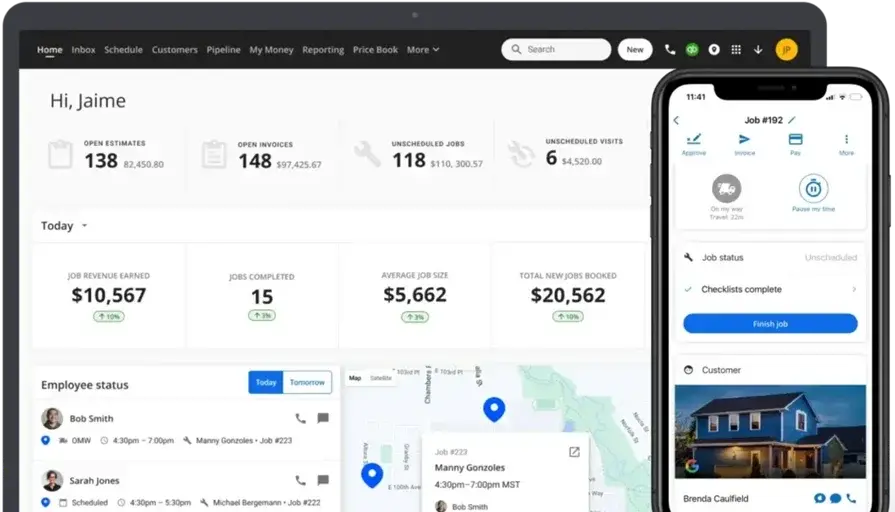
Housecall Pro offers a mobile-first platform that helps smaller electrical teams move from site walk to quote to scheduled work without friction. For contract pursuits, it supports quick estimates from a price book, customer messaging, and basic maintenance plan tracking so you can formalize agreements after an initial visit. It may not be ideal for complex estimating with assemblies, multi-site portfolios, or compliance-heavy SLAs where deeper controls and reporting matter.
How pricing works: Tiered subscription with feature bundles and per-user costs.
Key features: Quote templates and price book, scheduling and dispatch, customer messaging, maintenance plan tools, technician mobile app.
Why it’s best for electrical contracts: Fast quoting and clean scheduling help turn residential inspections into signed electrical service contracts and recurring visits.
Want to know if it’s the right fit for your electrical business? See how Housecall Pro and BuildOps stack up in this head-to-head comparison of their features.
5. Best for growing teams that need fast scheduling: Workiz
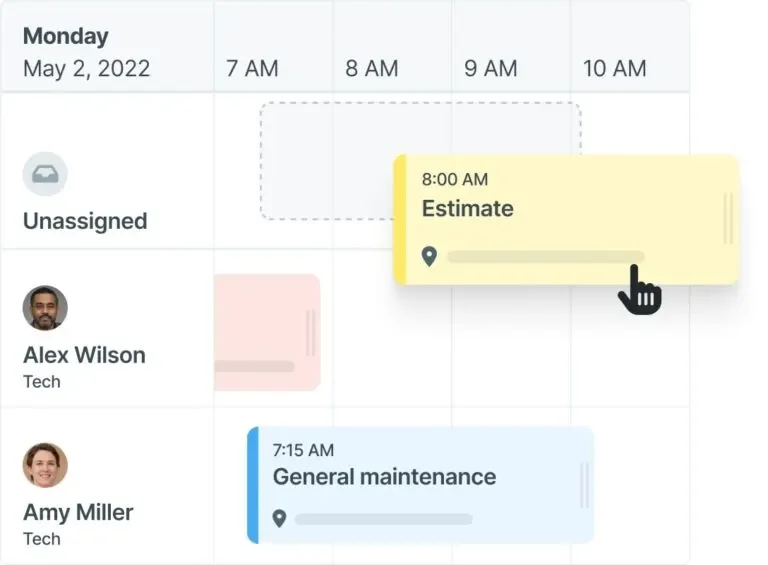
Workiz centers on drag-and-drop scheduling, job communication, and a lightweight CRM that supports quick quoting and follow-through. For contract work, call tracking and status automation keep prospects moving while your dispatcher protects arrival windows promised in SLAs. It may not be ideal for large commercial accounts that demand advanced estimating logic, custom approvals, and detailed contract reporting.
How pricing works: Monthly plans priced by user count and feature tier.
Key features: Dispatch board with live tracking, quote builder, call and text tools, automations, integrations with common field apps.
Why it’s best for electrical contracts: Simple workflows help small crews formalize maintenance agreements and keep commitments visible on the schedule.
6. Best trade-focused platform for recurring agreements: FieldEdge

FieldEdge delivers trade-specific tools that support service agreement tracking, seasonal reminders, and quoting tied to equipment histories. Electrical teams use it to standardize PM checklists, record test values, and keep contract terms front and center for dispatch. It may not be ideal for enterprises handling construction phases, complex estimating assemblies, or multi-division portfolios that require broad customization.
How pricing works: Subscription priced by user with add-ons for advanced modules.
Key features: Agreement tracking with reminders, quoting and proposals, scheduling and routing, asset history, technician mobile tools.
Why it’s best for electrical contracts: Agreement workflows and equipment context make it easier to build and retain electrical maintenance contracts without guesswork.
7. Best enterprise FSM for contract-driven operations: ServiceTitan
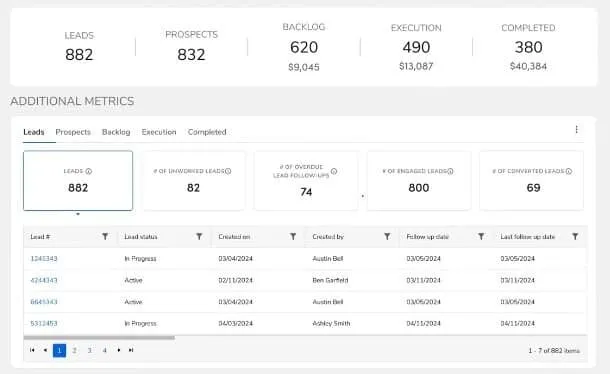
ServiceTitan delivers enterprise workflows for sales, estimating, dispatch, and contract management across large field teams. Electrical groups use configurable pricebooks to assemble proposals, track capacity against SLAs, and manage agreement programs that feed electrical maintenance contracts year-round. It may not be ideal for teams that want rapid setup or flexible, construction-heavy estimating with detailed assemblies, as implementation and administration can be significant.
How pricing works: Subscription with per-user licensing and optional add-ons
Key features: CRM, configurable pricebook and proposals, capacity planning, dispatch board, agreement/membership tracking, technician mobile app, advanced reporting
Why it’s best for electrical contracts: Strong controls help standardize estimates, protect response commitments, and run renewals at scale across multi-site portfolios
Compare ServiceTitan vs BuildOps right here to see which one has the features your specific team needs.
8. Best lightweight CRM for simple contract schedules: Jobber
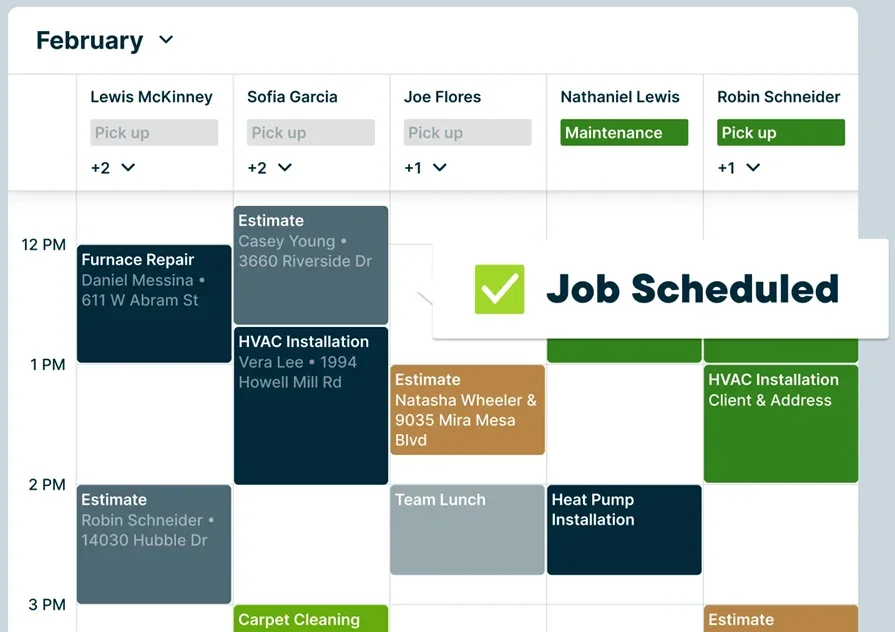
Jobber focuses on a clean quoting and scheduling experience that suits smaller electrical outfits. Recurring jobs, quick proposals, and client messaging make it straightforward to formalize basic electrical service contracts after an initial visit. It may not be ideal for complex commercial agreements that require deep estimating logic, custom approvals, or compliance-heavy reporting.
How pricing works: Tiered subscription with user-based pricing
Key features: Quote templates, recurring visits, calendar and routing, client hub, technician mobile tools
Why it’s best for electrical contracts: A simple stack that helps small crews secure and fulfill maintenance agreements without added complexity
Signing dependable electrical contracts takes disciplined estimating, consistent execution in the field, and clean handoffs between sales and operations. The playbook in this guide focused on agreements that hold up under jobsite conditions across PMs, retrofits, tenant improvements, and emergency calls while staying aligned with SLAs and capacity. When estimators price from assemblies that reflect site reality, dispatch protects promised windows, and techs capture proof with photos and test values, renewals strengthen and bidding gets sharper with every cycle.
Field service management ties these pieces together. One platform should connect pipeline, takeoffs, proposals, scheduling, crew assignment, asset histories, checklists, and renewals so everyone works from the same facts. BuildOps fits that role for commercial electrical work as an all-in-one system that goes beyond time tracking by linking estimating with CRM, SLA-aware scheduling, mobile proof of work, and contract oversight from kickoff to renewal.
If you want a closer look, schedule a short demo. We will walk your current flow from estimate to schedule, answer questions, and you can decide if it earns a place in your stack with no pressure.