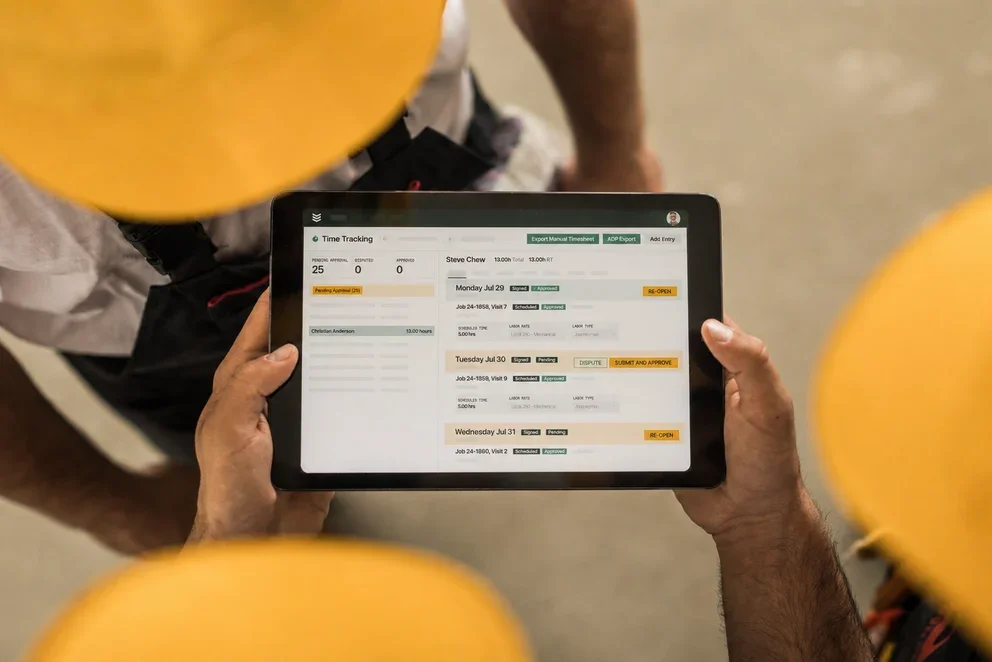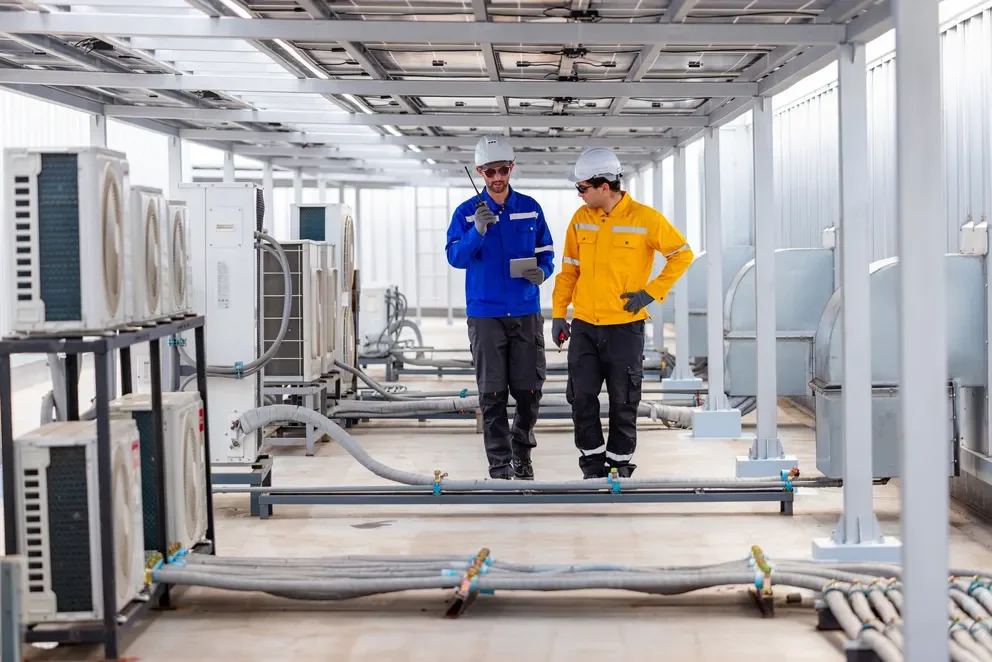


For most of the field service software's history, the pitch has been simple: get your data out of filing cabinets and into one digital system. That system, a system of record, stores what happened on a job after it already happened. Across the field service management industry, contractors have spent years logging work orders, tracking invoices, and filing service histories into platforms that are essentially digital paperwork.
AI and automation are turning software from a static system of record into a system of action—using your data in real time to dispatch crews, surface issues, and close out jobs without you clicking every button.
In this guide, we'll cover:
- What are the key differences between a system of record and a system of action?
- Why a modern field service team needs a system of action over a system of record
- 8 ways field teams can leverage a system of action to improve operations
Let's start with what separates these two approaches, and why the distinction matters for how your team runs jobs, manages techs, and keeps operations moving every day.
What are the key differences between a system of record and a system of action?
Once the software has your data, what it does with it is what really matters—every contractor uses a platform, but they don’t all use your information the same way. Today, field service management software ranges from basic digital record-keeping tools to platforms that actively drive decisions and trigger workflows on their own.
Where a platform falls on that spectrum determines whether it's a system of record or a system of action.
- System of record — A system of record stores your operational data: work orders, service histories, customer details, invoices, and equipment logs. It gives your team a single place to look things up and pull reports, but it doesn't do anything with that information unless someone manually acts on it.
- System of action — A system of action takes that same data and puts it to work in real time. It auto-dispatches techs based on skill and proximity, flags overdue invoices, triggers follow-up workflows, and surfaces issues before they become problems, without waiting for someone to log in and click a button.
Understanding the distinction is one thing. Knowing why it matters for how your field service team actually operates day to day is where it gets practical.
Why a modern field service team needs a system of action over a system of record
Field service doesn’t slow down. Techs are moving, dispatch is reacting, the office is collecting. Tracking what already happened isn’t enough. You need a system of action that moves with your team in real time.
The market for field service management solutions has grown significantly, with options ranging from all-in-one platforms to lightweight scheduling apps.
Many platforms are just digital filing cabinets—storing work orders and customer data but forcing your team to act on it manually, which is where jobs slip through the cracks.
What closes that gap is automation. AI in field service management is what turns a passive platform into one that actually drives outcomes. It auto-assigns techs based on skill and location, generates invoices from field notes, optimizes routes mid-day, and flags issues before they snowball.
Eighty percent of contractors believe AI will be essential to stay competitive within three years, and 30% already say outdated tech is limiting their growth. Those numbers make the case on their own.
Understanding why a system of action matters is step one. Knowing exactly where it shows up in your day-to-day operations is where it gets useful.
8 ways field teams can leverage a system of action to improve operations
A system of record tracks what happened. A system of action decides what happens next and does it—shaping everything from dispatch to invoicing. Here are eight ways field teams can put a system of action to work.
1. Auto-dispatch techs based on skill, location, and workload

Manual dispatch boards waste hours. A system of action reads certifications, GPS, urgency, and availability to auto‑assign calls—and instantly reshuffles when plans change—so trucks stay moving and dead time between jobs disappears.
2. Turn field notes into clean documentation without manual entry
Techs shouldn't spend 30 minutes at the end of a shift typing up what they did all day. A system of action takes voice notes, photos, and checklist data captured on-site and converts them into structured reports, visit summaries, and closeout records automatically.
The office gets complete, accurate job documentation without chasing anyone down. Platforms with contractor workflow AI tools have the capability to clean up grammar, auto-populate asset fields from nameplate scans, and feed that data directly into quoting and invoicing workflows.
3. Trigger invoices and POs from completed job data
In a system of record, people re-enter data and build invoices and POs by hand. In a system of action, invoices and purchase orders build themselves from work orders, time tracking, and scanned documents—cutting billing cycles, reducing disputes, and getting cash in the door faster.
4. Standardize on-site execution across every tech and job type
Consistency is what lets a crew scale instead of scramble. A system of action enforces it with standard checklists, required photos, and gated closeout steps so no job can close with steps missing.
Contractors who tighten their on-site field services workflow around these tools reduce return trips, cut diagnostic time, and deliver the same quality whether it's a senior tech or someone six months in.
5. Let AI agents act on pre-set rules without waiting for a human
Most software waits for someone to click a button. Agentic AI doesn't. It monitors conditions, evaluates rules you've already set, and takes action on its own — assigning a tech, flagging a compliance gap, or scheduling a follow-up visit based on asset data.
For contractors managing complex operations across multiple sites, agentic AI in field service means the system handles the routine decisions so your team can focus on the ones that actually need a human.
That's the core of what makes a platform a system of action: it acts, not just stores.
Did you know
AI has already started shifting how field service contractors handle their workflows. What used to take hours can now happen in minutes — with more accuracy and fewer surprises.
In our 2025 survey, The Pivot Point: AI and the Future of Commercial Contracting, 78% of contractors said they believe AI improves efficiency, and 47% are already using AI in some capacity for their field ops.
6. Use predictive maintenance to act before equipment fails
A system of action, using AI-powered predictive maintenance, spots abnormal runtime early, automatically schedules a tech, and turns costly emergency calls into faster, cheaper planned visits that keep customers from looking elsewhere.
7. Equip techs with AI-powered tools that surface answers on-site

When a tech arrives at a job, the last thing they should do is call the office for a serial number or dig through a binder for a wiring diagram. A system of action surfaces service history, equipment specs, and troubleshooting steps the moment a tech scans or identifies the asset.
The best contractor software with AI features embeds this intelligence directly into the mobile app, so techs diagnose faster, complete jobs on the first visit, and spend less time stuck mid-job waiting on information.
8. Connect scheduling, quoting, and billing into one continuous workflow
The real drag in field service isn’t one broken process—it’s the gaps between them. Jobs get finished, but quotes, work orders, invoices, and agreements don’t line up.
A system of action closes those gaps by connecting every step into one workflow, so data moves once, updates everywhere, and scheduling, dispatch, job tracking, and invoicing all stay in sync—no double entry, no manual handoffs.
BuildOps Runs on Action, Not Archives
The gap between a system of record and a system of action is real — it shows up in how fast techs get dispatched, how quickly invoices go out, and whether your team is constantly firefighting or staying ahead of problems. Contractors who close that gap don’t just run tighter operations; they protect margin on every job.
BuildOps is a true system of action. OpsAI is the intelligence layer woven across the platform — connecting dispatch, field documentation, quoting, invoicing, and reporting into one continuous workflow. Data captured in the field doesn’t sit in a database; it automatically drives the next step so work keeps moving without manual handoffs.
For commercial contractors running complex work across multiple sites and trades, that connected intelligence is the difference between software that just logs your work and a platform that actually runs your business.
See it inside your own operation. In a BuildOps demo, walk through your core workflows — dispatch, field, billing — and see exactly where OpsAI takes work off your team’s plate and accelerates cash flow.
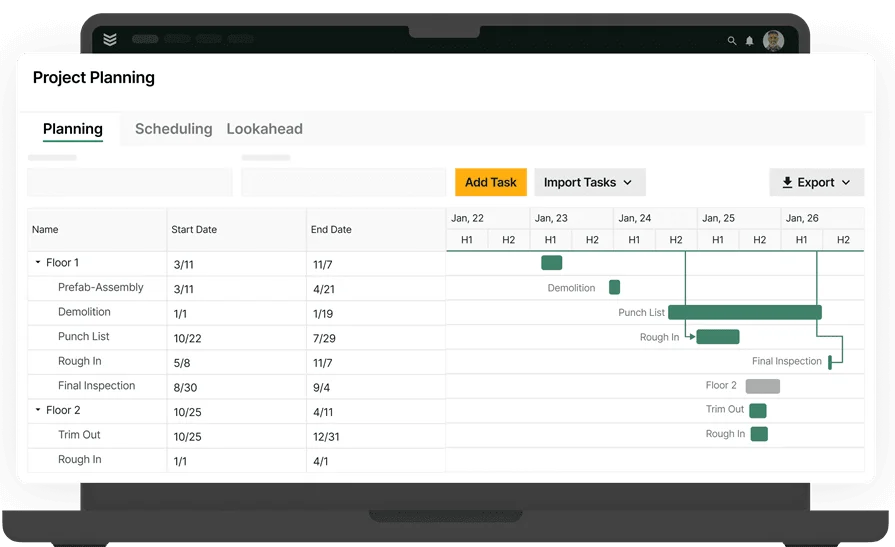
BuildOps: the system of action for commercial
See how we connect scheduling, invoicing, and reporting in one AI-native platform