Andy Bergmann on Why Hard Conversations Matter
Communication isn't a personality trait. It's a skill.
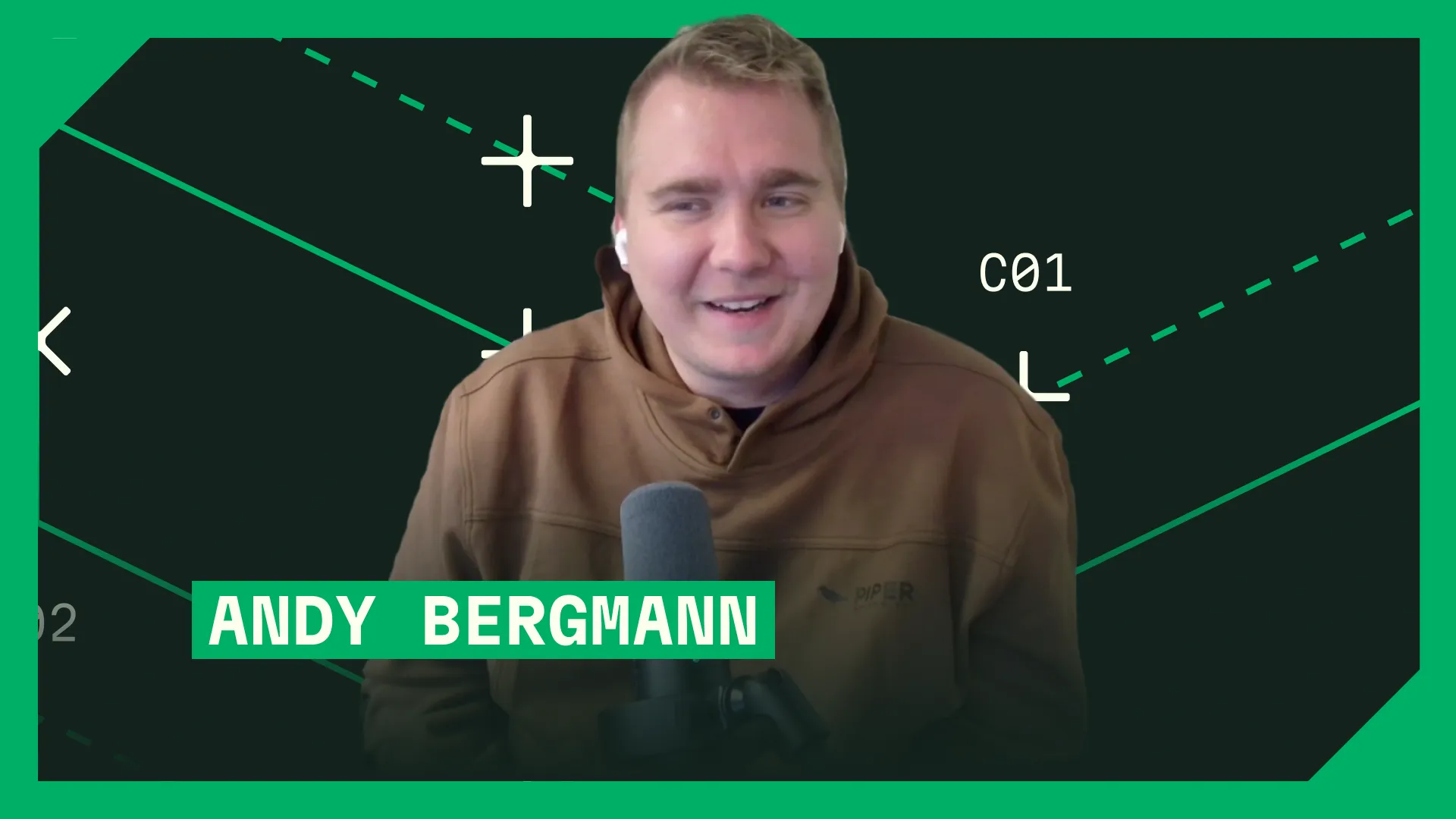
In this episode of Commercial Grade, Andy Bergmann — founder of Mavix Coaching — makes the case that a lot of people problems in the trades are really communication problems. His message is simple: avoiding the hard conversation usually costs more than having it.
From the shop to coaching
Andy’s path started in the shop, then moved through project management, HR, and employee development before he launched Mavix. Today, he helps owners and leaders in the trades build real communication skills — especially around feedback, listening, and hard conversations.
The damage of waiting too long
Andy shares the moment that changed his career: a strong foreman sitting across from him, upset after finally hearing feedback no one had given him sooner. Apprentices didn’t want to work for him. When he heard that truth, his response was: “Why didn’t you tell me sooner?”
That’s the problem Andy keeps coming back to. In the trades, leaders often avoid hard conversations because they feel awkward, risky, or emotional. But waiting usually makes the issue worse, not better.
Miscommunication is the real problem
If Andy had to boil workplace frustration down to one thing, it would be miscommunication.
As he explains in the episode, leadership often isn’t trying to make people miserable, but crews can still feel ignored or misunderstood. Somewhere between what leaders intend and what employees experience, communication breaks down.
That gap creates friction between field and office, leaders and crews, and managers and the people they’re trying to lead.
Communication takes practice
Andy doesn’t believe good communication is a personality trait. He treats it like a skill.
He argues that most people try hard conversations for the first time in a real, high-stakes moment — then decide communication “doesn’t work” when it goes badly. His view is the opposite: if you want people to get better at difficult conversations, they need a chance to practice before the real moment arrives.
The $50,000 skill
“If you have the skill to take feedback with zero defensiveness, that’s worth like a $50,000 raise,” says Andy.
People who can hear feedback without shutting down are rare. And in leadership, that openness changes everything. It makes problems easier to solve, relationships easier to repair, and growth a lot more possible.
As Andy puts it, defensiveness usually comes from insecurity, not from the feedback itself.
This goes beyond work
What makes Andy’s work stand out is that it doesn’t stay on the jobsite.
Clients regularly tell him the communication skills they learned improved their marriages, relationships with their kids, and the way they show up at home. That’s part of what makes the episode hit harder: this isn’t just about managing crews better. It’s about becoming a better listener, a better leader, and in a lot of cases, a better human.
Want to catch the full episode?
Listen to Commercial Grade on Spotify, YouTube, or Apple Podcasts.