How Mechanical Technologies Gets New Technicians Up to Speed Faster with BuildOps
“BuildOps by far blew everybody else out of the water. It was a night and day difference.”
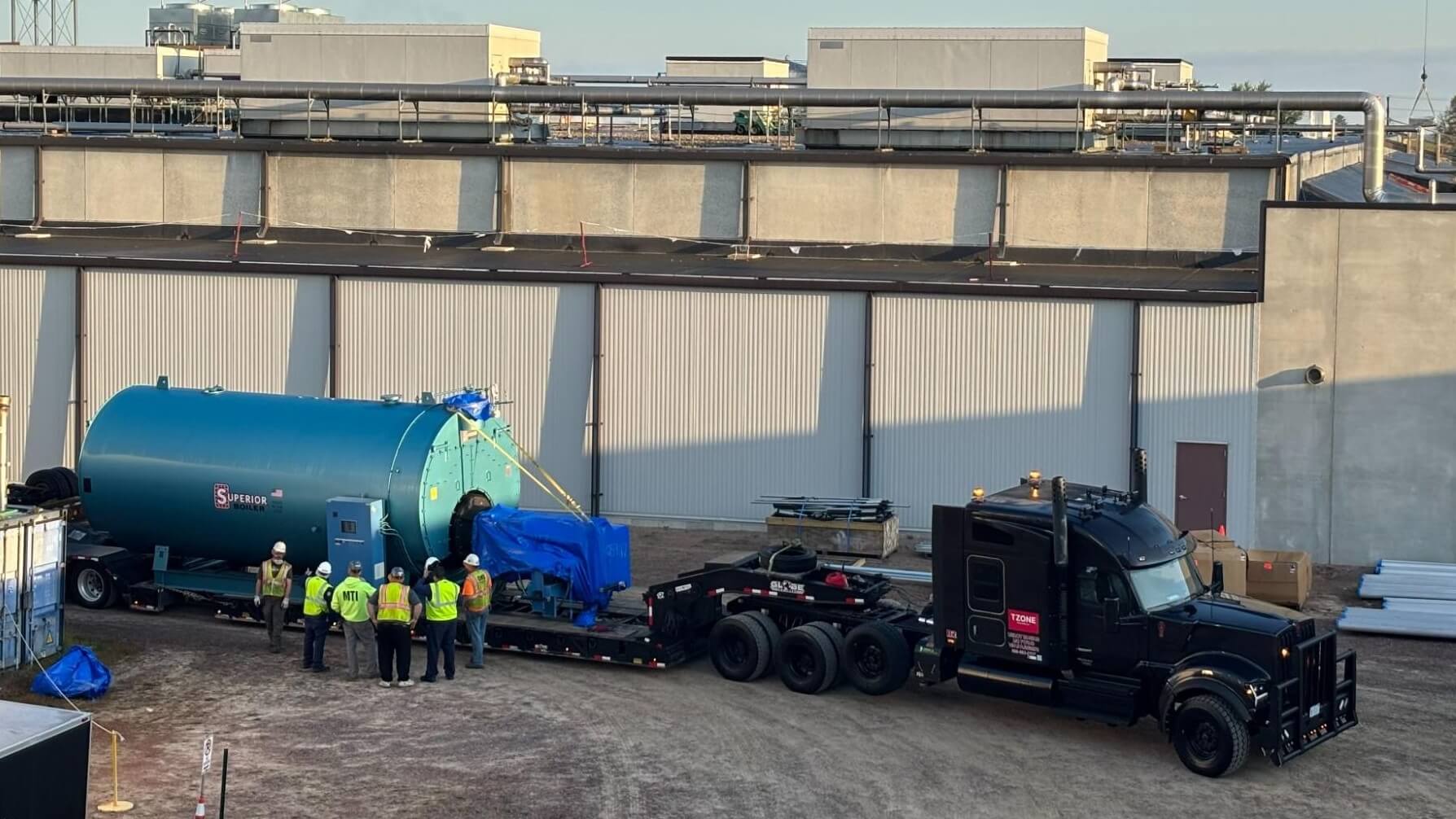
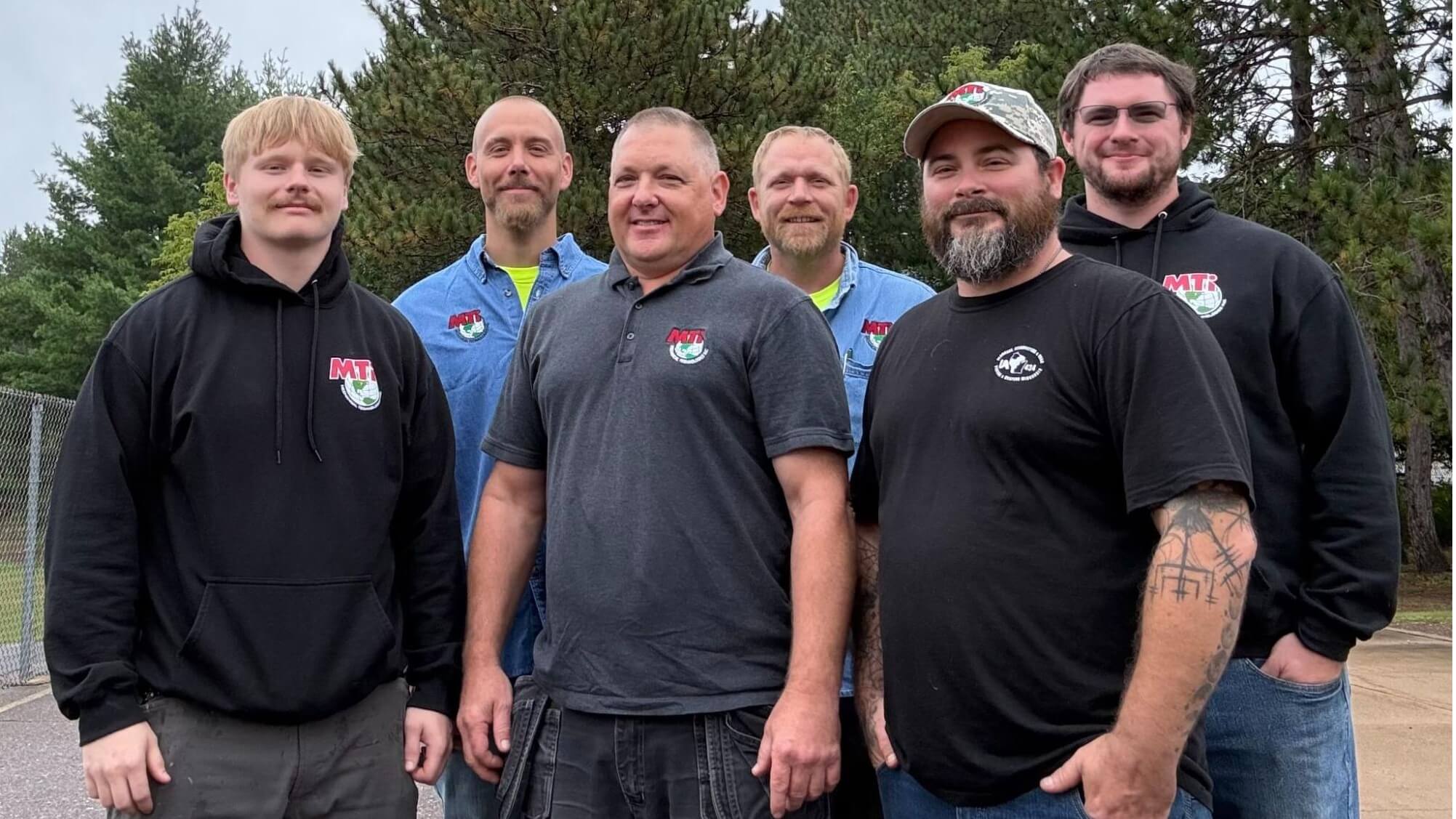
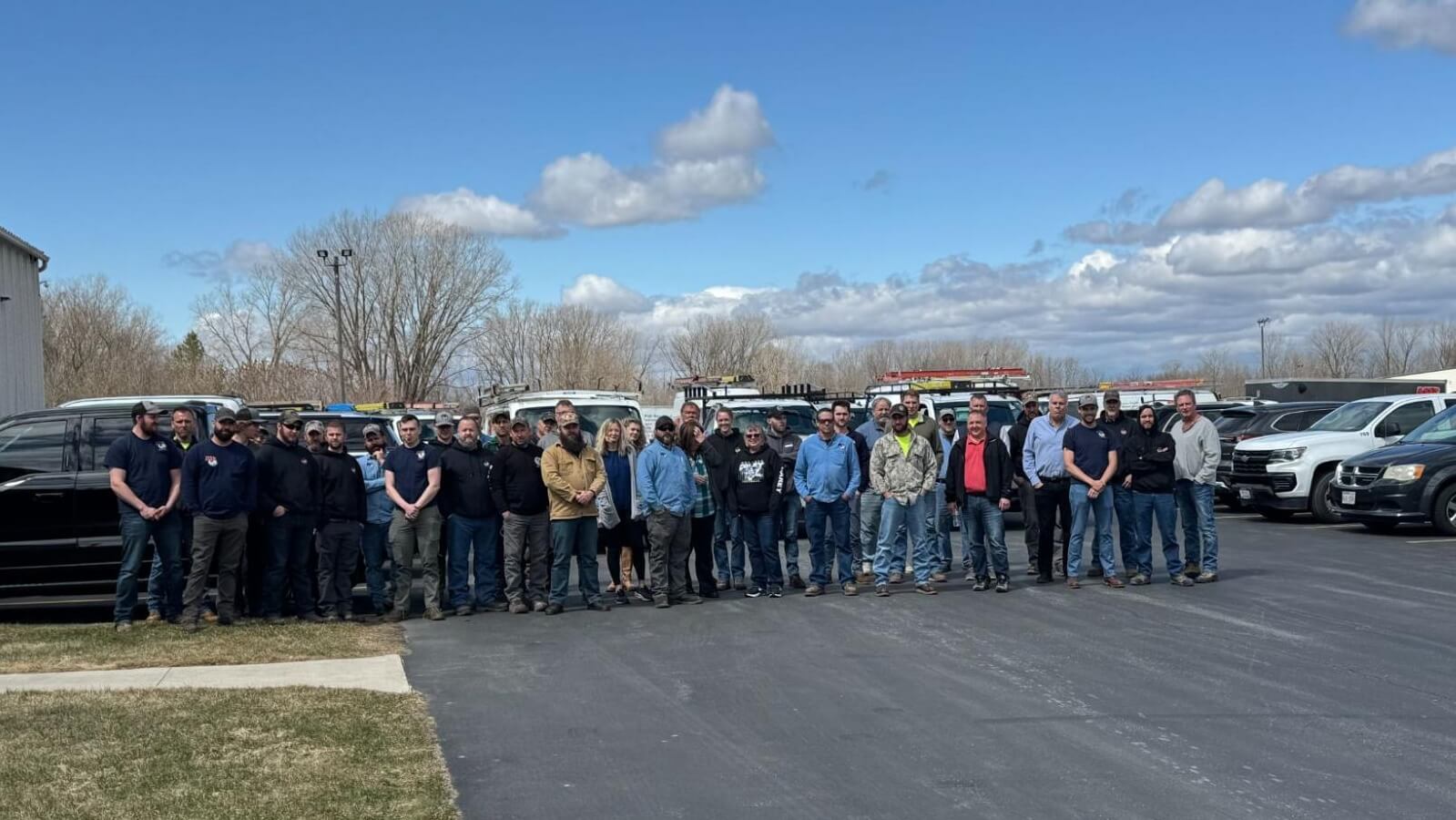
Mechanical Technologies is a full-service mechanical contractor with offices across Wisconsin. Its union workforce handles everything from large mechanical projects to day-to-day service, for customers in manufacturing, food production, hospitals, school districts, government buildings, and light commercial.
Travis Bushey, Vice President of Operations, has spent more than 20 years with the company and over 26 in the trade. Today, in an industry where skilled labor is hard to find and tenured journeymen are less available, he sees technology that gets newer technicians up to speed faster as a big part of the answer. That’s what led him to BuildOps.
Customer snapshot
- Company: Mechanical Technologies
- Headquarters: Green Bay, Wisconsin
- Locations: Three offices: Green Bay, Spencer, and Chippewa Falls
- Business: Union mechanical and service contractor
- Markets served: Manufacturing, food production, government buildings, hospitals, school districts, light commercial
- Service reach: Offices span roughly 300 to 400 miles, with job sites up to 200 miles or more beyond them
The challenge: A thinning pool of experienced technicians, and information that moved too slowly
Before BuildOps, Mechanical Technologies ran on paper and pen. Technicians often filled out their paperwork at the end of the day or the end of the week, and the office had to decipher it.
“Tracking information and making sure data was entered right, and trying to read their scribble on a piece of paper was a challenge,” says Travis. “Nobody wants to fill paperwork out.”
Invoices were built in Word documents once a week, and two team members spent Thursday and Friday getting them out. Looking back at a job from six months earlier meant digging through paper.
Apprentices and newer technicians called the service superintendent, who oversees all of the company's technicians, whenever they got stuck, and the calls kept stacking up. With job sites spread across a large part of the state, some of them two hours away, the superintendent sometimes felt he needed to drive out to help in person.
And with fewer experienced people behind supply house counters, technicians were showing up with only a model and serial number, and sometimes the part was wrong or not in stock.
“They drive there two hours, drive back,” says Travis. “All of a sudden the customer gets an invoice, well, they didn’t have the part. Why am I paying for two hours of travel time?”
The solution: Putting the knowledge technicians need in their hands from day one
After evaluating four software providers with an internal committee, Mechanical Technologies chose BuildOps. The vote was unanimous.
“You guys by far blew everybody else out of the water,” says Travis. “It was a night and day difference.”
BuildOps: field data, invoicing, and history in one place
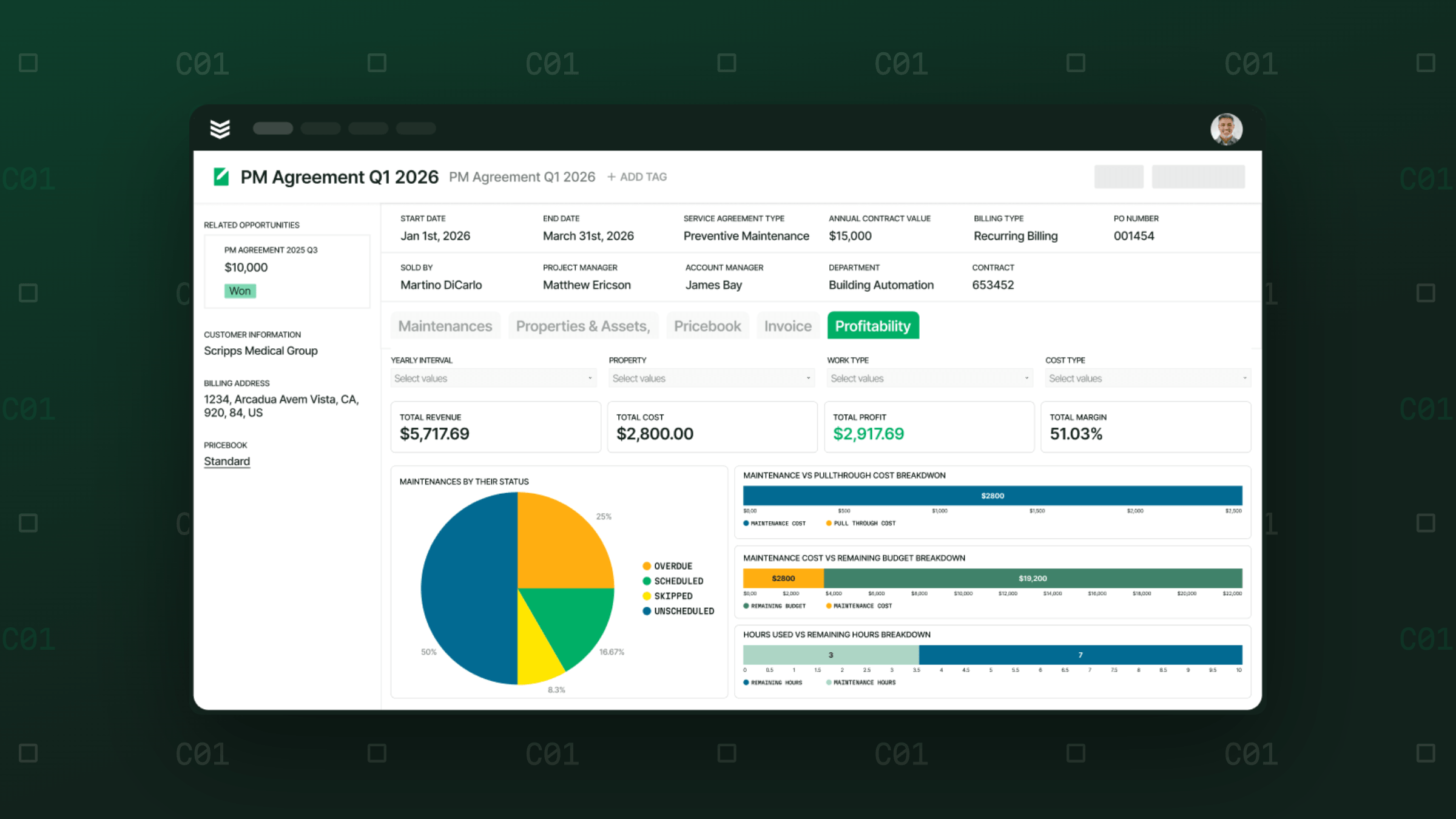
Technicians enter time and job details in BuildOps, so the information arrives organized and legible. Work orders go out by text, and the team runs reports straight from BuildOps in its meetings. Asset records give any technician, including one who has never been to the building, the equipment history on site.
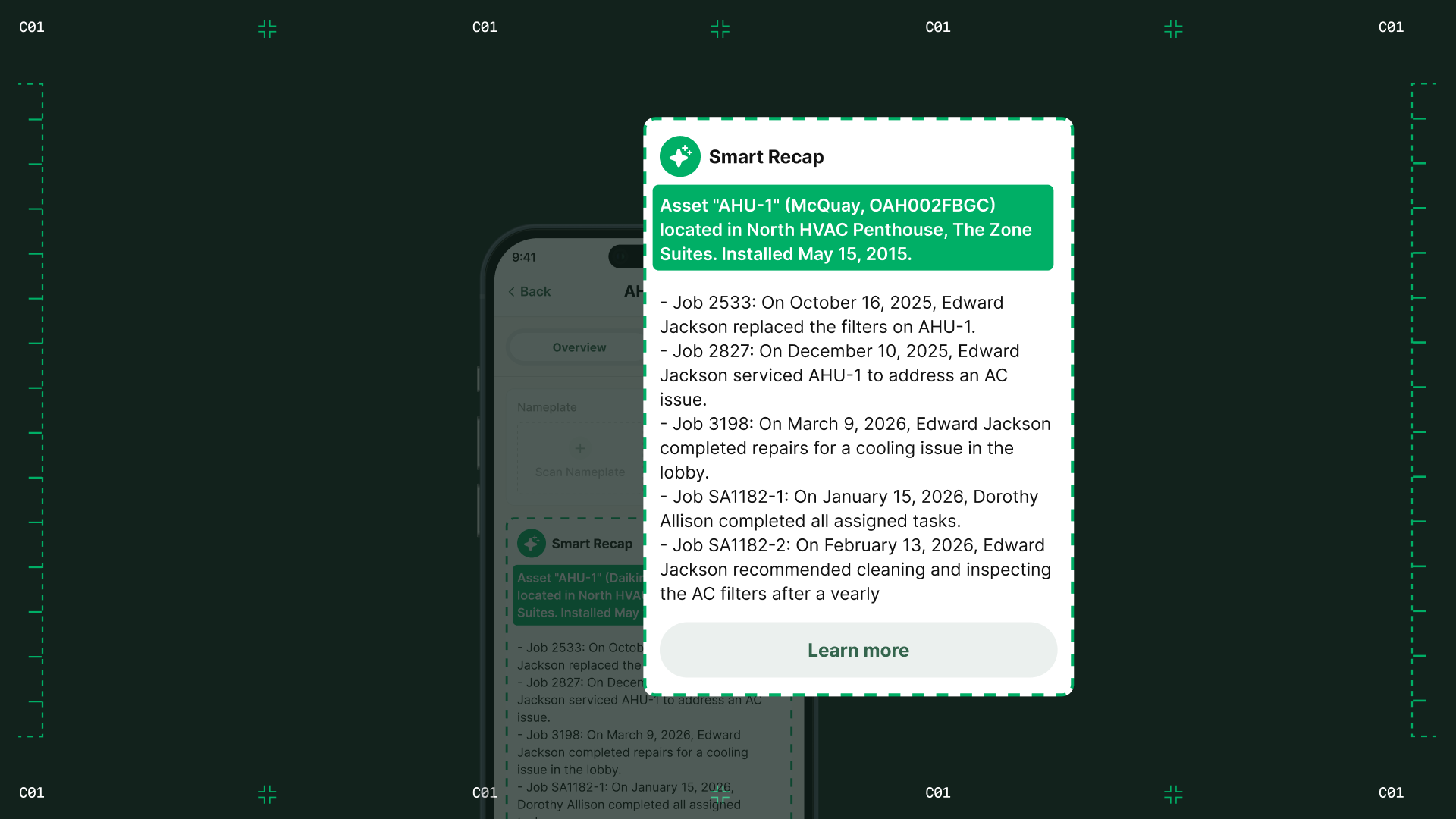
“We could never do that before,” says Travis.
HVAC Assist: troubleshooting and parts lookup in the technician's pocket
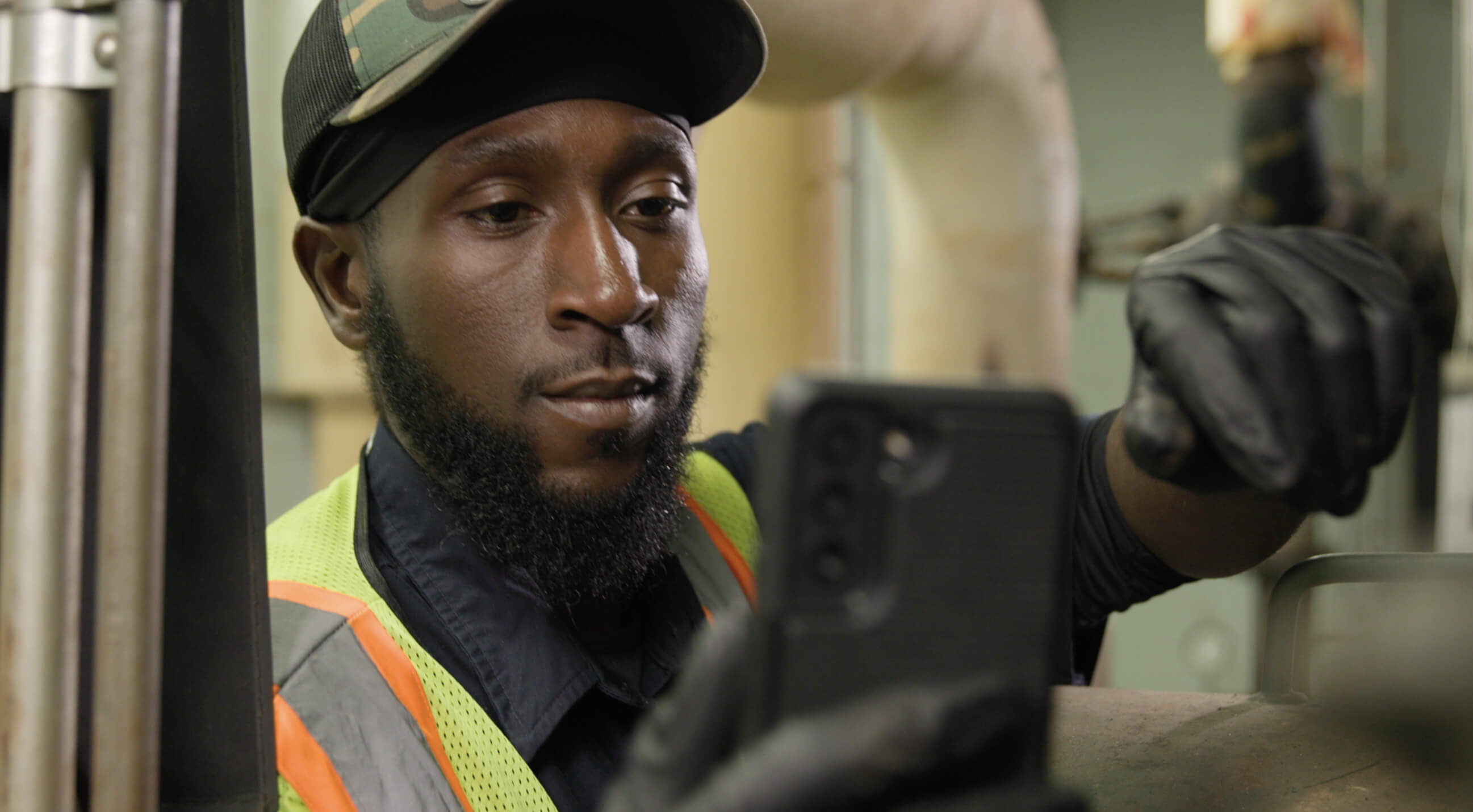
When HVAC Assist became available, Travis signed up the apprentices first. BuildOps gave newer technicians a place to look before they called the superintendent.
“You call in, ‘Hey, you’re kind of quiet, you haven’t been calling for anything,’” says Travis, “and they say, ‘I’ve been using it to help me figure out what I need to do.”
Technicians also use it to find the correct part number before they call the supply house, so they arrive with more than a model and serial number.
The value: Newer technicians who ramp up sooner, and a team that gets more from the experience it has
Mechanical Technologies’ most experienced technicians can’t be at every job site. With HVAC Assist, newer technicians get answers in the field on their own, so your most experienced workers can spend their days on the work that needs their expertise.
By their third or fourth week, new apprentices are handling work on their own with BuildOps. A full apprenticeship takes about five years, and Travis says HVAC Assist gets newer technicians to answers faster than that path alone could.
“A lot of the guys in the trade didn’t ever think there’d be a point where they would have something like this technology to use,” says Travis.
Invoicing that moved from weekly to daily
Mechanical Technologies went from weekly invoicing in Word, to bi-weekly, to invoicing daily. Once a job is done, the invoice can go out, unless the team is waiting on a committed cost such as a PO. Invoicing went from a two-day task for two people to one person handling it continuously.
More capacity for the service coordinator and superintendent
With less phone and email traffic, the company's service coordinator now manages about 20 technicians, twice the 10 she could handle in her previous job. Travis believes the team could add another 10 without worry.
“It has definitely changed,” says Travis. “It’s been a game changer.”
Travis says first-time fix rate has improved. His technicians are not misdiagnosing, and callbacks, which cost the company money, are down.
Quotes in minutes, not days
Sales staff can type a model and serial number, pull up the asset in BuildOps, and find the part in HVAC Assist, without visiting the site. Quotes can go out within 15 to 30 minutes of finding the part, compared with a couple of days when someone had to drive out, get the model and serial number, and talk to the customer.
Looking ahead
More than three years in, Travis has no interest in going back to the old way of working without BuildOps. “I love it. There’s no way we could go back,” he says.
He’s excited to see AI in the platform keep evolving and make his team more productive, freeing his field and office staff to spend their time on the work that needs them
For a company working to bring new technicians up to speed, the goal stays the same: put the right answer in front of the person who needs it, when they need it.