How Rolls Mechanical Closed Their First Year on BuildOps with a 44% Revenue Increase
“With BuildOps, I don’t think I’m ever going to have to migrate again.”
“My job was the equivalent of shoveling coal into the bottom of a ship, and if I stopped everything stopped,” says Karly Rolls Hoen, Vice President at Rolls Mechanical.
Rolls Mechanical had evolved from a premier refrigeration construction business, founded by Karly’s father, James Rolls in 1994, into a broader operation serving commercial and residential customers across plumbing, HVAC, and electrical.
Ten years ago, Karly was the 25th employee. Today, Rolls Mechanical sits at about 225.
The company needed a system that could support that level of complexity without slowing the team down.
Challenge: Growth had outpaced the old way of working
With Rolls Mechanical’s growth came more moving parts, more technicians, more jobs, and more pressure on the people trying to keep everything running.
For years, the team was held together by manual processes and institutional knowledge.
“When I first started, we had a huge map on the wall of the state of Michigan with push pins of where technicians lived. That’s not a great way to dispatch,” says Karly.
As the business grew, that model became harder to sustain. The challenge wasn’t just scheduling bodies to jobs. It was matching the right technician to the right job, equipment, location, and customer expectation, every time.

Karly knew they needed software that could help them scale, but finding the right platform took trial and error.
“We vetted different vendors for months. We were looking for a software that operated in one place for both our construction and our service department,” says Karly.
They evaluated multiple options and even tried implementing another system first. It did not work.
“We made the wrong decision, and we tried to implement a different software for about three months.”
That failed attempt clarified what mattered most. Rolls didn’t just need software with features on a checklist. They needed a system that could fit how the business actually operated.
Solution: BuildOps connected the field, the office, and dispatch in one workflow
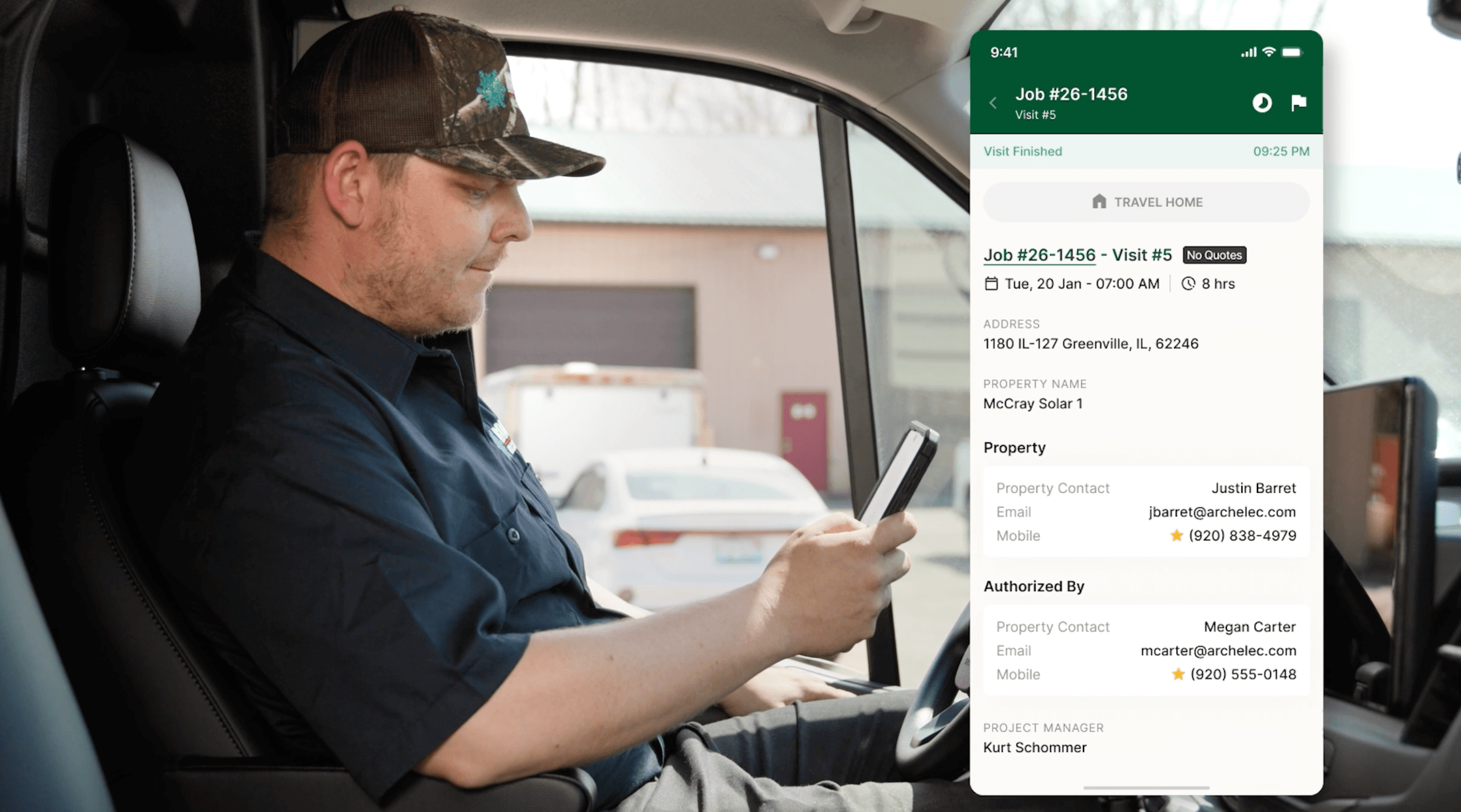
Karly and the team selected BuildOps after learning exactly what the business needed from its first implementation attempt. The value showed up not in one isolated feature, but in how BuildOps connected the full workflow from the first customer call to job completion.
In the field, technicians could track their day and capture job information in real time, not to mention access asset histories by location and every work order tied to that piece of equipment.
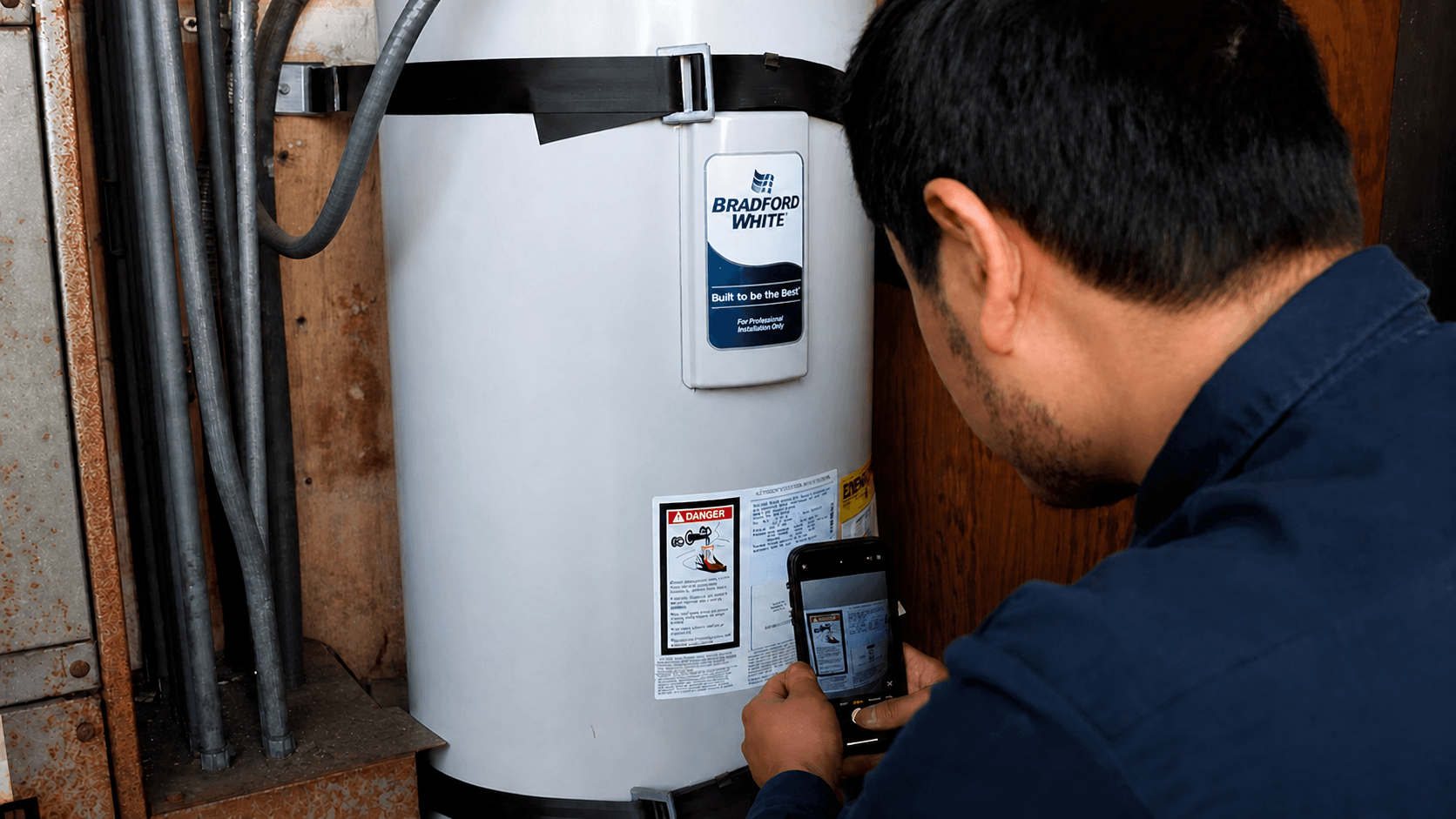
“What I really enjoyed is we can enter assets per location, find the model number, serial number. I can just click on the asset, and I have every single work order that we have touched that asset on,” says Ben Kromer, HVAC Division Service Manager.
For the office team, visibility improved immediately. Real-time updates made it easier to see whether a technician was traveling, working, or done with a job without chasing people down by phone.
“My favorite feature I would say is real time updates. You don’t have to call a technician and wait to get an answer,” says Jennifer Chapman, Customer Service Manager.
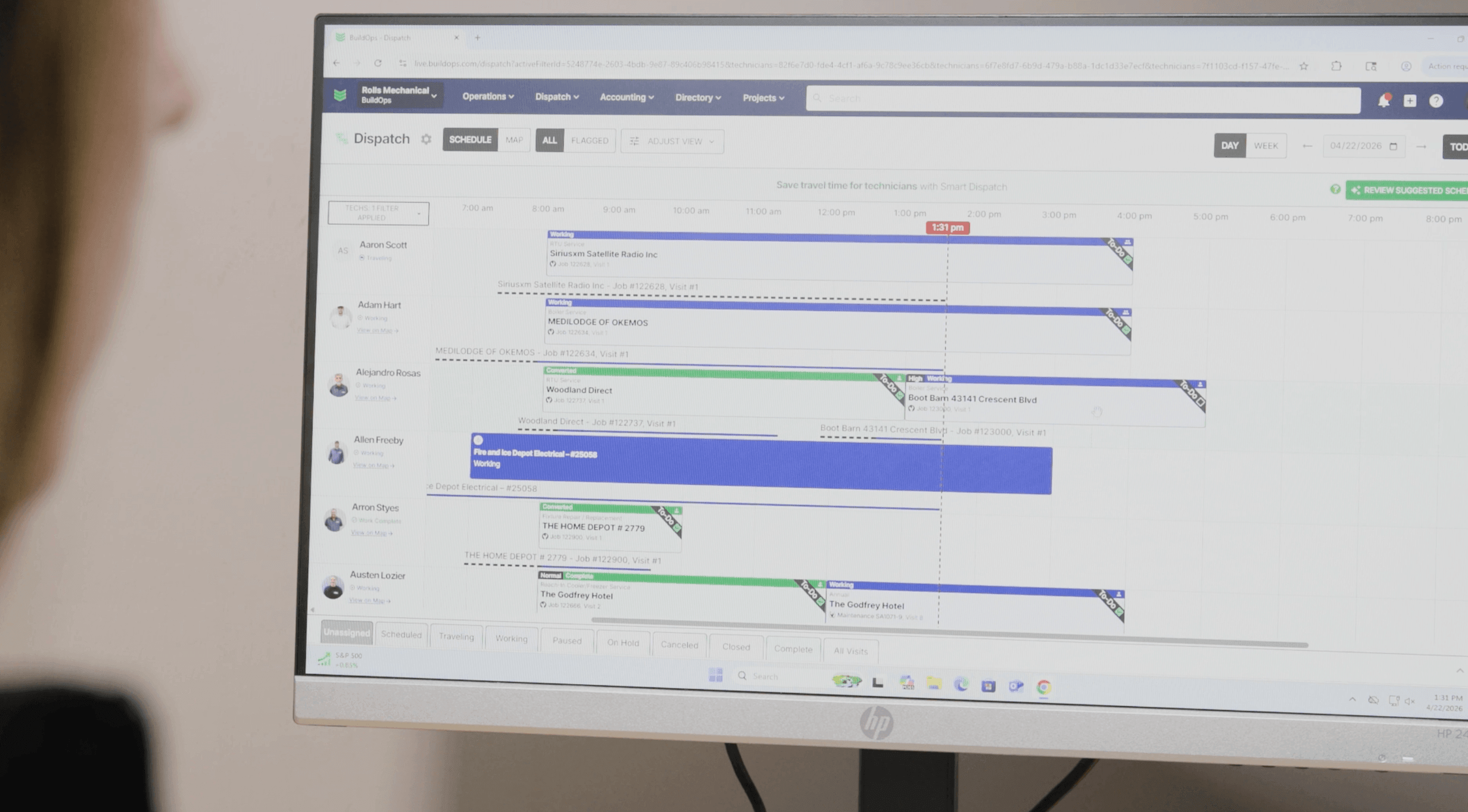
For dispatch, smart dispatch stood out as a major operational unlock. Instead of relying on tribal knowledge alone, the system helped encode the logic that matters most: technician skill set, equipment fit, facility familiarity, and proximity.
And for apprentices and new technicians, BuildOps makes getting up to speed easier once they get on the job.
“Using smart dispatch takes all of that tribal knowledge and bakes it in the system so anyone can be successful,” says Karly.
Results: More growth, better visibility, and less dependence on heroics
Rolls went live with BuildOps at the start of peak season in June and still closed July with a 60% increase.
“In our first year on BuildOps, we had 44% revenue growth, and year to date, we’re at 60% growth,” says Karly. “It’s bananas because we haven’t even had our busy season yet.”
BuildOps helped the team move from reactive operations to more confident decision-making across the business.
“We went from one and a half to three months of lag to taking only 2 to 3 days to close. It took us from making decisions months later to real time decision making," she says.
And the longer they run BuildOps, the better their reporting gets.
“The reporting that I get from BuildOps is stellar. Now that we have a year’s worth of data in the system, we can really start pulling some of that for the real KPIs, the things that we can make decisions on moving forward,” says Eric Hotchkiss, Chief Financial Officer.
But, for Karly, the impact went far beyond the numbers.
“BuildOps gives my team the ability to make quick, good decisions,” she says.
“When my husband and I went on a honeymoon three and a half months after we went live, I was absolutely overjoyed because I got to leave my laptop in Michigan. I was totally off the grid and came back and everyone was doing a great job.”
The shift to BuildOps meant moving from systems that depended on heroics to systems that let the team operate with confidence.
Built for the next chapter

Rolls Mechanical wasn’t just looking for a replacement for old processes; they wanted a platform that could support the company as it evolved.
Though the business is larger, more diversified, and more operationally mature than it was in 1994, it has kept the family heart that made it what it is.
For Karly and team, this is just the beginning.
And just as important, the team feels like they now have a system that can grow alongside them.
“With BuildOps,” says Karly, “I don’t really think I’m ever going to have to migrate again.”

.png)
.png)
