The Leadership Gap in the Field: How to Build Techs Who Can Lead
BuildOps gives leaders the structure and visibility they need from day one.

If you've ever promoted a great technician into a leadership role only to watch them struggle, you're not alone.
Strong leadership affects retention, productivity, accountability, and company culture.
In fact, NCCER's 2025 Building Better report found that 68% of women who leave the construction industry cite poor leadership as the top reason for leaving, highlighting the role leadership plays in whether employees stay and succeed.
The problem is that technicians spend years learning their trade, but then they’re expected to move into a leadership role with little or no training.
This article explores why top performers often struggle after a promotion, the skills new leaders actually need, and how you can better prepare them for success.
Why Top Technicians Often Struggle After a Promotion
When a technician consistently delivers quality work, a promotion feels like the natural next step. But leadership requires a completely different skill set that most techs never get training to develop.
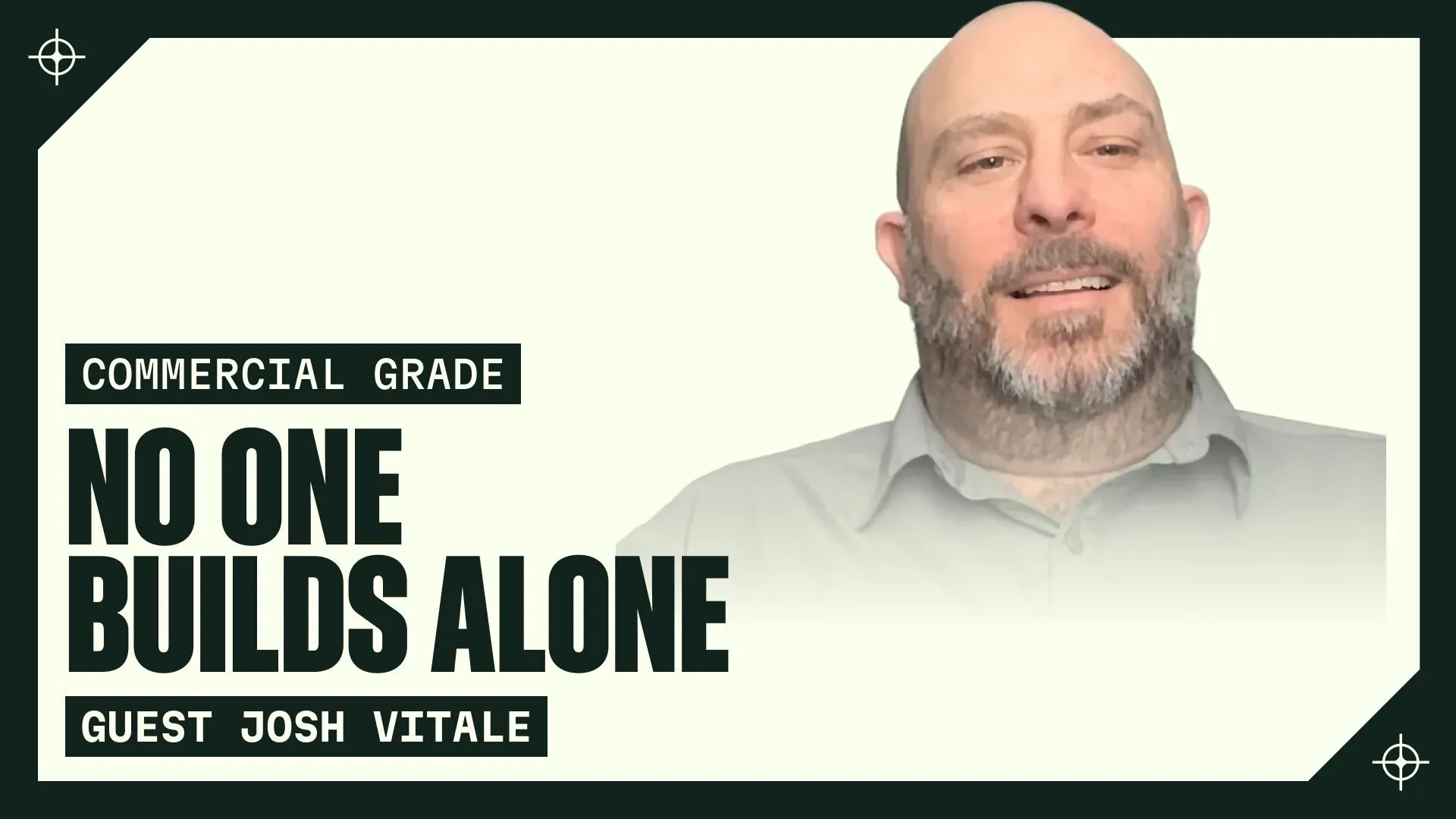
Josh Vitale, founder of Project Built and former journeyman lineman, remembers taking his first foreman role at 22 and joked that it happened "just because I showed up on time."
That expectation of stepping into leadership with little warning extends to the next generation of tradespeople, too.
As fourth year steamfitting apprentice Eric Hyatt put it, "If I were to go write my ticket tomorrow, I would probably have a kid working under me the next day."
Without training and support, even the most talented technicians can struggle when they're suddenly responsible for leading others.
To understand why, it helps to look at what actually changes when someone moves from technician to leader.
The Job Changes
Many technicians are promoted because they've mastered the technical side of the job. Then they're asked to spend less time using the very skills that earned them the promotion.
Instead of running service calls, troubleshooting HVAC/R systems, installing equipment, or working directly with customers onsite, leaders spend more of their day assigning work, answering questions, removing roadblocks, coordinating crews, and keeping projects on schedule.
The work they know best and feel confident doing is no longer their primary responsibility. They essentially go from being a top performer to being a beginner again.
For many new leaders, that's a difficult transition to navigate, especially without training and support.
Success Is Measured Differently
Leadership positions also change what success looks like.
As a technician, success is tied to individual output. Did they solve the problem? Complete the work? Deliver a good customer experience?
But a leader’s success is largely tied to how well other people perform. Are technicians hitting their goals? Are jobs staying on schedule? Is the team producing consistent, high-quality work?
That loss of control can be frustrating for new leaders, especially high performers who built their careers on personal accountability. Instead of focusing solely on their own work, they have to influence, coach, and support other people to achieve results.
And that's where many new leaders encounter their biggest challenge: managing people.
They Aren't Ready for the People Side of the Job
Technicians are used to working on complex equipment. They rely on their training, diagrams, and good ol’ trial and error to solve problems.
But when they’re promoted to a leadership position, they’re responsible for something far more complicated: people.
Unlike equipment, people don't come with manuals, troubleshooting guides, or predictable outcomes.
What motivates one employee may frustrate another. What one employee views as helpful feedback, another may see as harsh criticism. Leaders have to navigate these differences while keeping work moving and standards high.
Personal challenges add another layer of complexity.
Stress, burnout, financial pressures, family issues, and mental health struggles inevitably show up at work. In an industry where suicide rates are five times higher than jobsite deaths, the emotional side of leadership can't be ignored.
Vitale says leadership often becomes much more personal than people expect. "You become their therapist, and you become their financial advisor, and you become all these things that no one's ever given you any training on."
That's a lot to ask of someone whose expertise is turning wrenches and solving issues with logical, predictable systems. Human behavior isn’t always logical or predictable, and contractors need to prepare new leaders to handle this shift.
The Skills New Leaders Actually Need
Leadership isn't a single skill. It's a collection of capabilities that help managers lead people, make sound decisions, and keep work moving. While every role is different, the strongest field leaders tend to excel in two areas: managing people and managing work.
Managing the People
Managing people is about much more than assigning work. Great leaders know how to communicate clearly, earn trust, and help people perform at their best.
That's how HVAC service team lead and Above & Beyond Award winner Curtis Perry Jr. approaches leadership.
"I'm responsible for helping them develop as technicians and grow, pretty much whatever they need to develop their career and get better as technicians," he says.
To do that well, new leaders need to know how to:
- Set clear expectations so everyone understands what success looks like.
- Give timely, constructive feedback that helps employees improve.
- Hold employees accountable while maintaining trust and respect.
- Coach technicians through challenges instead of immediately providing the answer.
- Help apprentices and junior technicians build skills and confidence.
- Address conflict and difficult conversations early.
- Adjust their communication style for different personalities, generations, and experience levels.
Communication sits at the center of all these skills. Whether leaders are recognizing good work, addressing a callback, or coaching someone through a mistake, conversations are more productive when they're grounded in facts instead of assumptions.
When leaders have visibility into productivity, workload, callbacks, completed work, and other performance data, they can give clearer feedback, explain the "why" behind their decisions, and approach conversations with greater confidence.
Managing the Work
Leadership also requires strong operational skills. New leaders need to know how to:
- Match technicians to work based on their skills, experience, and capacity.
- Balance workloads so work is distributed fairly across the team.
- Prioritize competing jobs and customer needs.
- Plan ahead to prevent scheduling conflicts and bottlenecks.
- Allocate labor and resources where they'll have the greatest impact.
- Monitor job progress and adjust plans as conditions change.
- Make informed decisions when priorities shift.
Every one of these responsibilities depends on having a clear picture of what's happening across the business.
It's difficult for leaders to balance workloads, prioritize jobs, delegate work effectively, or anticipate bottlenecks when they're relying on memory, spreadsheets, or random conversations in the hallway.
Access to real-time information helps new leaders turn good judgment into confident decision-making.
When they can see who's overloaded, which jobs are falling behind, and where productivity is slipping, they're able to step in earlier, make smarter adjustments, and learn what effective leadership looks like in real time.
Over time, those experiences build the confidence and instincts that strong leaders rely on every day.
Creating a Culture That Develops Leaders
Strong leadership cultures don't happen by accident. The best contractors intentionally define what good leadership looks like, then build the systems, expectations, and support to make it the norm.
Josh Vitale believes that's where many companies fall short. "You can't have a speaker come in and talk to them about leadership once a year. That's not going to transform the way they're interacting with their people. It's something that has to become a part of the culture."
To make leadership part of your company's culture, focus on creating consistent opportunities for leaders to learn, practice, and improve. That includes:
- Clear expectations for what good leadership looks like, not just technical performance.
- Regular one-on-ones where managers review performance, discuss challenges, recognize wins, and plan next steps.
- Mentorship that gives new leaders someone to learn from as they navigate unfamiliar situations.
- Ongoing coaching and feedback instead of waiting for annual reviews or leadership seminars.
- Systems that support good decisions, giving leaders visibility into workloads, performance, and job progress so they can lead with confidence instead of gut feel.
These habits create consistency. New leaders know what's expected, have regular opportunities to improve, and receive support before small leadership challenges become bigger performance problems.
Together, these practices help leadership become a skill that's developed over time instead of something people are expected to figure out on their own after a promotion.
Start Building Leaders Before You Need Them
Building a leadership culture also means thinking beyond today's managers and intentionally developing tomorrow's.
If you wait until a technician becomes a foreman or service manager to begin teaching leadership skills, they're already behind.
Look for opportunities to develop future leaders early.
Give high-potential technicians chances to mentor apprentices, lead small projects, participate in planning conversations, or take ownership of team initiatives before they're responsible for an entire crew.
The earlier employees begin practicing leadership, the smoother the transition becomes when the promotion comes.
Over time, that creates a stronger leadership pipeline, more confident managers, and teams that are better equipped to grow alongside your business.
Support New Leaders with the Right Tools
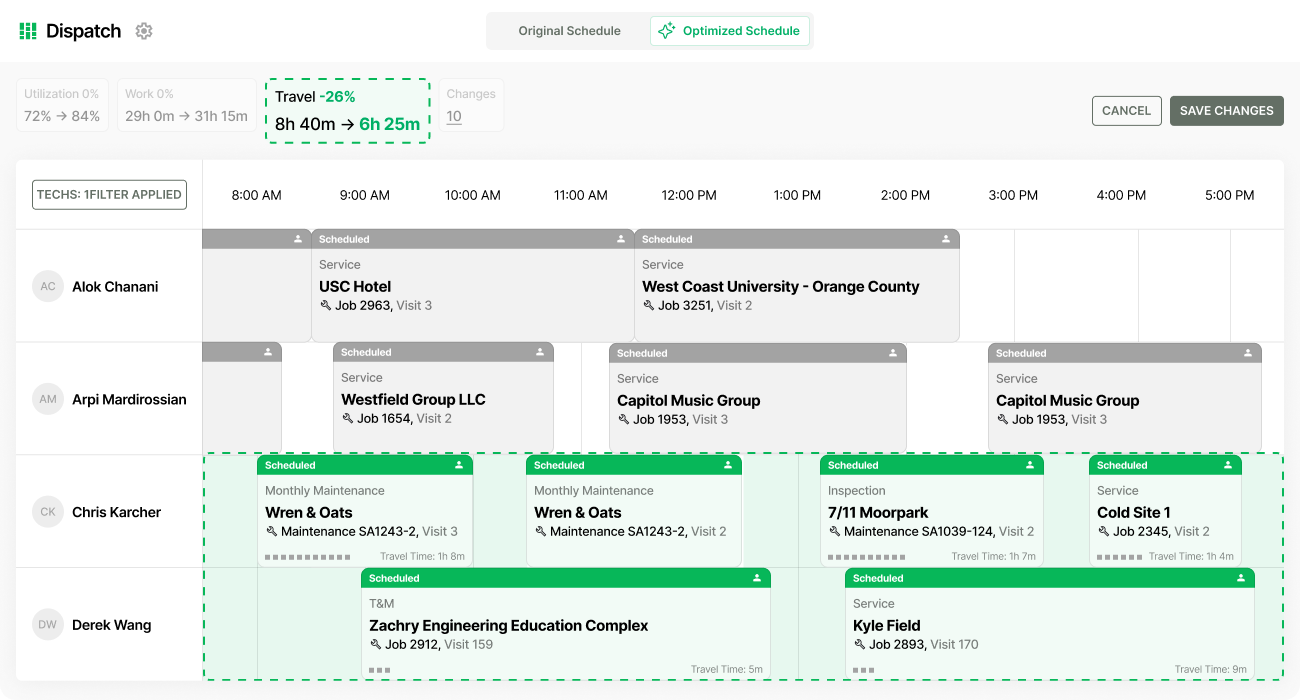
Training is only part of the equation. New leaders also need systems that make it easier to manage people, make decisions, and keep work moving.
BuildOps helps by giving leaders the structure and visibility they need from day one.
With BuildOps, new leaders can:
- Balance workloads with confidence using the Dispatch Board to see who's working where, who's available, and where work needs to be redistributed.
- See what's happening across the business with Standard Reports that combine technician productivity, work-in-progress, margins, job progress, and other key metrics into a single view.
- Hold more productive one-on-ones using CRM+ activity tracking, forecasting, and performance dashboards that compare plan versus actual, making coaching conversations specific instead of relying on gut feel.
- Keep sales and operations aligned with a seamless handoff from closed opportunities to jobs, giving field leaders the context they need before work begins.
- Spend less time chasing information by keeping scheduling, reporting, customer information, and operational data in one platform instead of scattered across spreadsheets and disconnected systems.
Strong leadership still requires coaching, communication, and experience. BuildOps simply gives new leaders—and the managers developing them—the information and structure to build those skills faster and with greater confidence.