Can You See Where You're Losing Revenue?
Most contractors are losing money simply because they’re seeing the numbers too late.
Every owner asks the same question: where are we losing money?
The problem is that most companies can’t answer it until the year is already over. They spend eleven months running hard, with crews busy, jobs moving, and revenue looking healthy on the surface.
But when the year-end report hits, the story changes. Margins were thinner than expected, labor cost more than planned, materials chipped away at profit, and change orders got missed. Sure, the work got done, but money got left on the table, and by January it’s too late to course correct.
That is the trap many contractors are stuck in. They run on instinct all year, then use year-end reporting to figure out what actually happened. The trouble is that hindsight is a brutal management tool. It can tell you where profit went, but only after it is already gone.
The issue is timing not effort
Most contractors aren’t losing money because they’re asleep at the wheel. They’re losing money simply because they’re seeing the numbers too late.
A job can look fine on the surface while quietly eating away at the margin underneath. When costs are delayed, scattered across spreadsheets, or lost in disconnected systems, no one gets a clean read on job health while the work is still in motion.
If you can’t see where the money is going today, you can’t do much about it today.
Contractors need daily visibility, not year-end autopsies
To protect margin, contractors need to see the financial story while the job is still alive. They need to know if labor is running heavy, if material spend is creeping up, if margins are tightening, if field activity is matching the budget, and if revenue is being missed along the way.
This is not really about more reporting, instead it’s about getting answers early enough to act on them.
How BuildOps helps
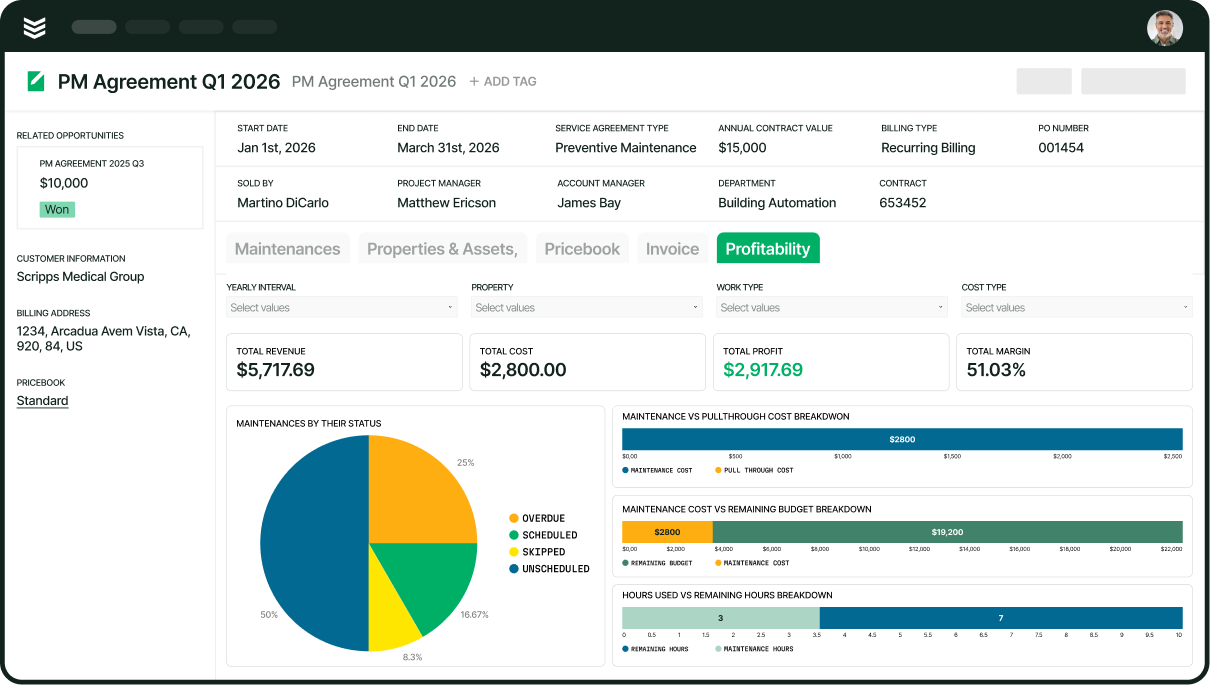
BuildOps gives contractors a live view of job performance instead of a delayed recap.
With live job costing, teams can see spend against the job as work happens. With margin visibility, they can catch slippage before it turns into a year-end surprise. And with daily reporting, the field and the office stay aligned on what happened today, what changed, and what needs attention next.
That matters because most profit loss does not come from one dramatic mistake. It comes from small misses that pile up quietly over time, whether that is a little extra labor, a material overrun, or a missed revenue opportunity that no one caught fast enough. The sooner you see those signals, the better your chance of protecting the job.
What that looks like in practice
For Certified Fire, better visibility helped drive a 250% profit increase.
For Layer One, daily job costing meant they could stay closer to the numbers instead of waiting for the financial picture to catch up later.
No one cares about prettier reporting for its own sake, they just want the ability to make better decisions while there is still time for those decisions to matter.
Where OpsAI fits in
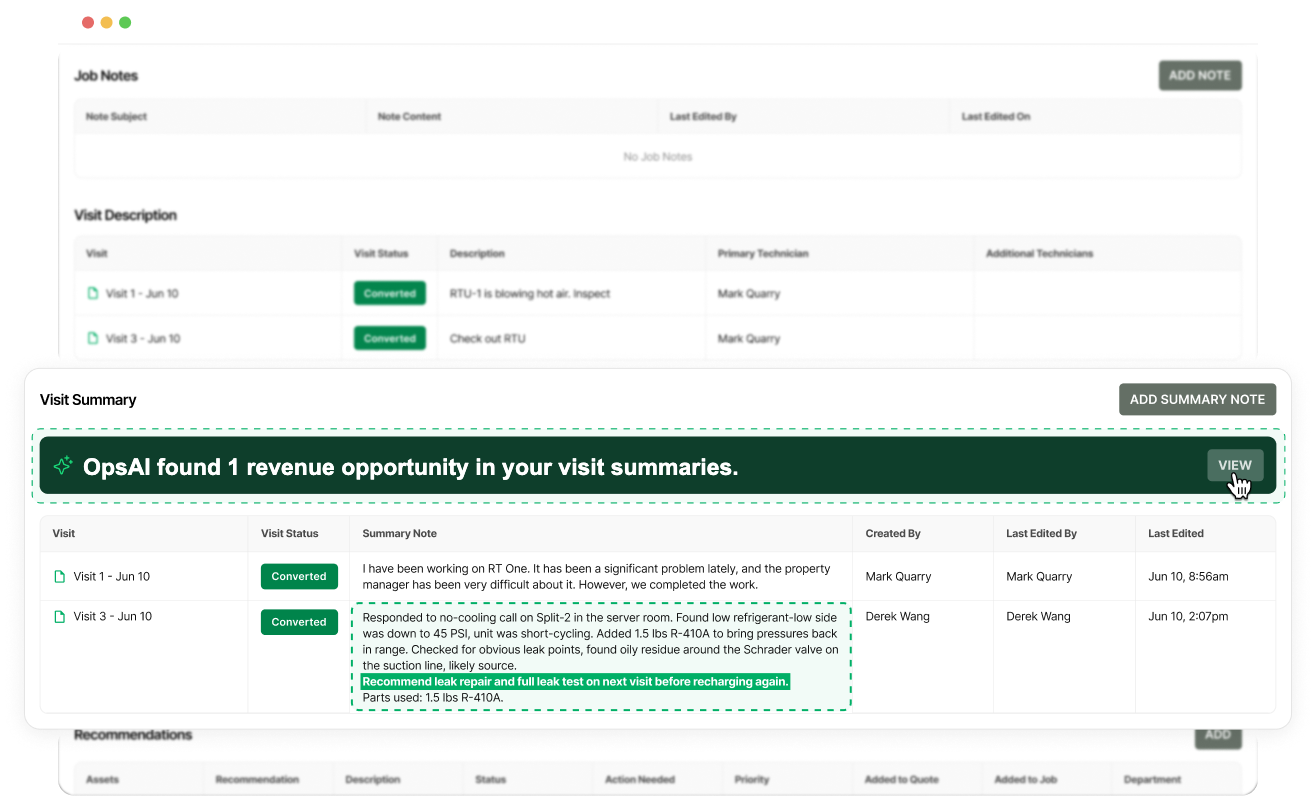
There is a second part to this story. It’s not just about seeing where money is being lost. Great contractors know where revenue is hiding.
That’s where OpsAI comes in. When job costing, reporting, and financial workflows live in one connected system, the platform has the context to surface what deserves attention, whether that is slipping margin, uncaptured revenue, or an issue that needs a closer look before it becomes a larger problem.
Stop waiting until January
Contractors shouldn’t have to wait for a year-end report to understand whether they made money. They should be able to see it in the middle of the job, while there is still time to act.
Because every contractor asks the same question: where are we losing money?
The companies that grow are the ones that can answer it before the year is over.

.webp)

