Construction Financials: Know Where the Job Stands Before Margin Slips
The job doesn't wait for month-end to change. Your financial view shouldn't have to either.
The work changes every day in the field, but your financial picture doesn’t budge until month end.
When you're waiting till close to see changes, a project manager might be looking at a project with a healthy margin, while labor, material commitments, and field changes have the job heading towards over-budget.
If the finance team can’t see the full impact until payroll runs, invoices arrive, or the books close, that's a major miscommunication between what the field is managing and what finance actually records.
Construction financials should turn two different views into one, trusted number. Project teams need to see the work completed, costs incurred, commitments made, and revenue still at risk before the time to act has passed.
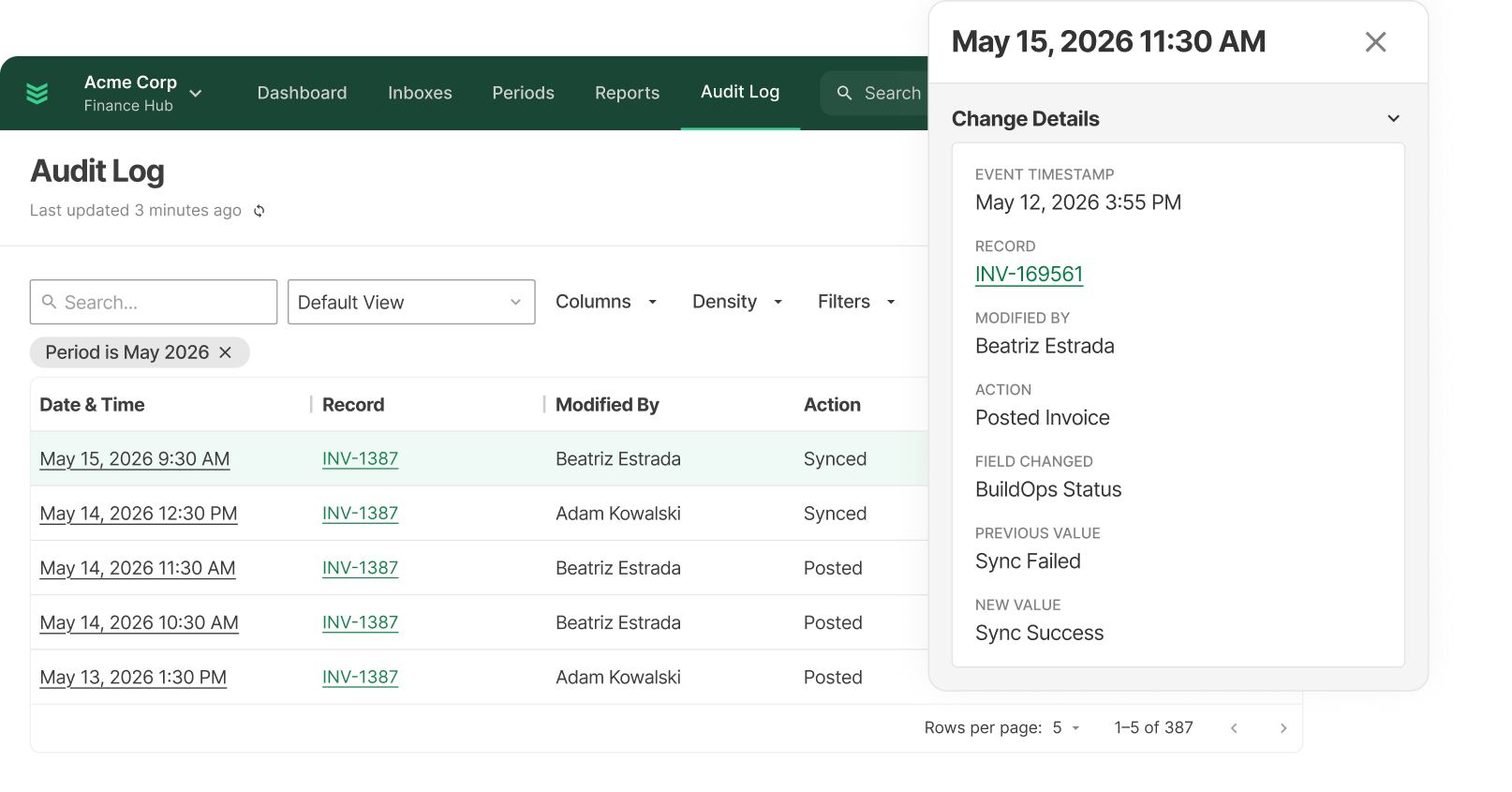
Why construction financials get disconnected
The issue usually starts with how information moves between the field, operations, and accounting.
Labor estimates might be based on blended rates that don't reflect the full cost of payroll. Purchase orders and subcontracts can commit money before an invoice arrives. Field activity can change the scope of a job before the budget or contract value is updated.
By the time those changes reach the accounting system, the job may already be too far along to recover.
The result is the two-margin problem: the margin a project manager uses to run the job doesn't match the margin finance sees at the end of the month. When those numbers differ, teams spend time figuring out which report is right instead of managing the work.
Late information also changes the decisions teams make. A project manager might approve another purchase order because the budget still looks like it has room. An owner might plan staffing around a margin that doesn't include the latest labor cost. A controller might spend close chasing down transactions that should have been coded and reconciled earlier.
A month-end report can explain what happened, but it can’t give the team time to fix it.
Change orders are where disconnected data gets expensive
Change orders are one of the clearest places where job activity, financial data, and margin come together.
Construction moves fast. A customer request becomes a field instruction. The crew does the work. Someone says the change order will come later. Days or weeks pass, and the supporting details are scattered across daily reports, tickets, emails, RFIs, and the GC's portal.
If the change isn't captured when it happens, it gets harder to price, document, submit, and collect. If it's submitted without enough backup, the GC has more reason to question it or negotiate it down. If dozens of changes pile up until the end of the project, even legitimate work can be hard to recover.
A connected workflow gives teams a better way to protect the value of that work:
- Out-of-scope work logged in the field can become a potential change order.
- The change request stays connected to the daily report, ticket, or RFI that supports it.
- Approved changes update the contract value and billing instead of living in a separate spreadsheet.
- Open potential changes stay visible against projected margin, so leadership can see exposure before closeout.
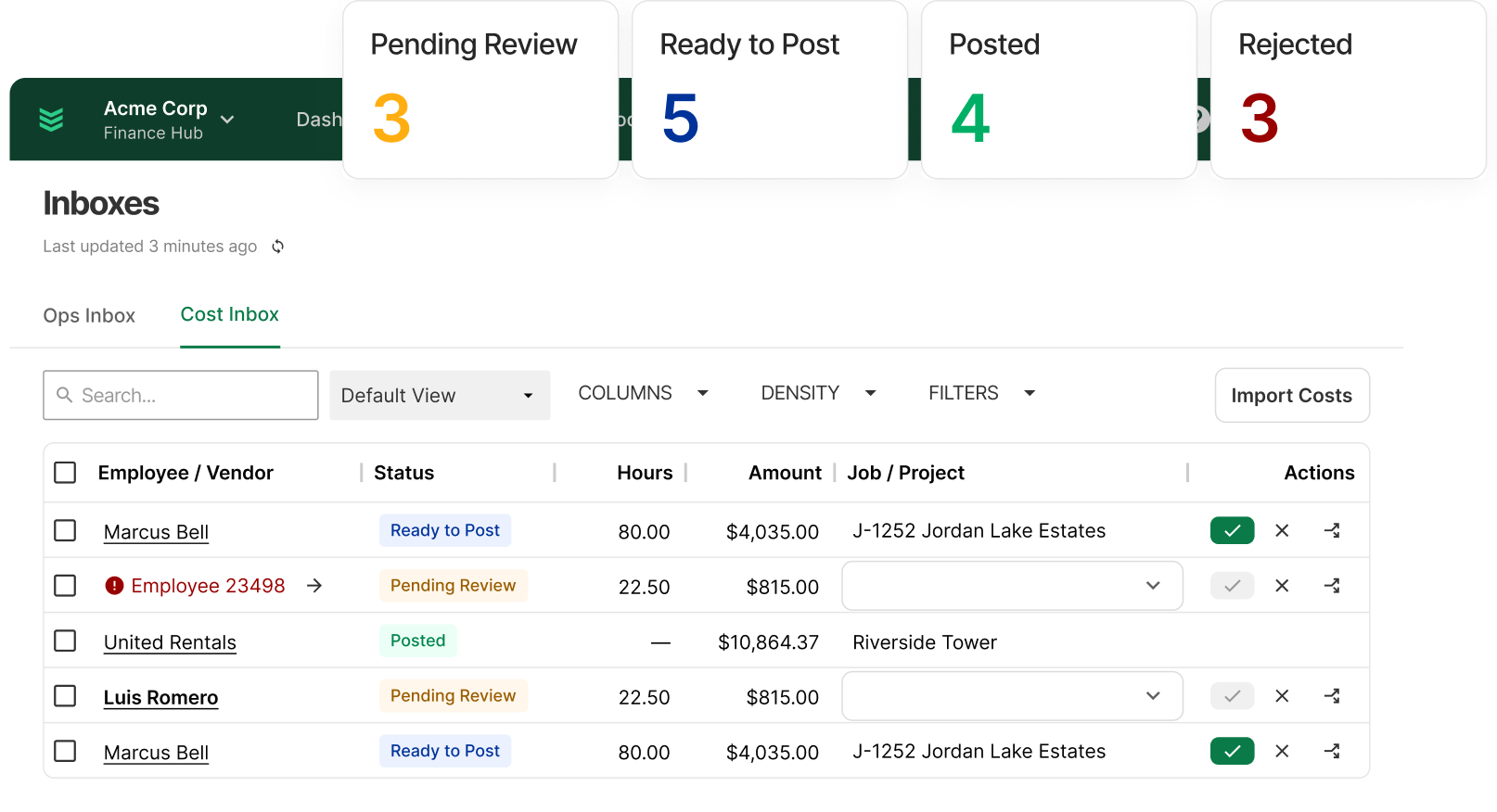
BuildOps works with your accounting system, not instead of it
Your accounting system still plays a critical role as the system of record for audited margins and financial reporting. But it was not built to serve as the day-to-day operating view for project teams.
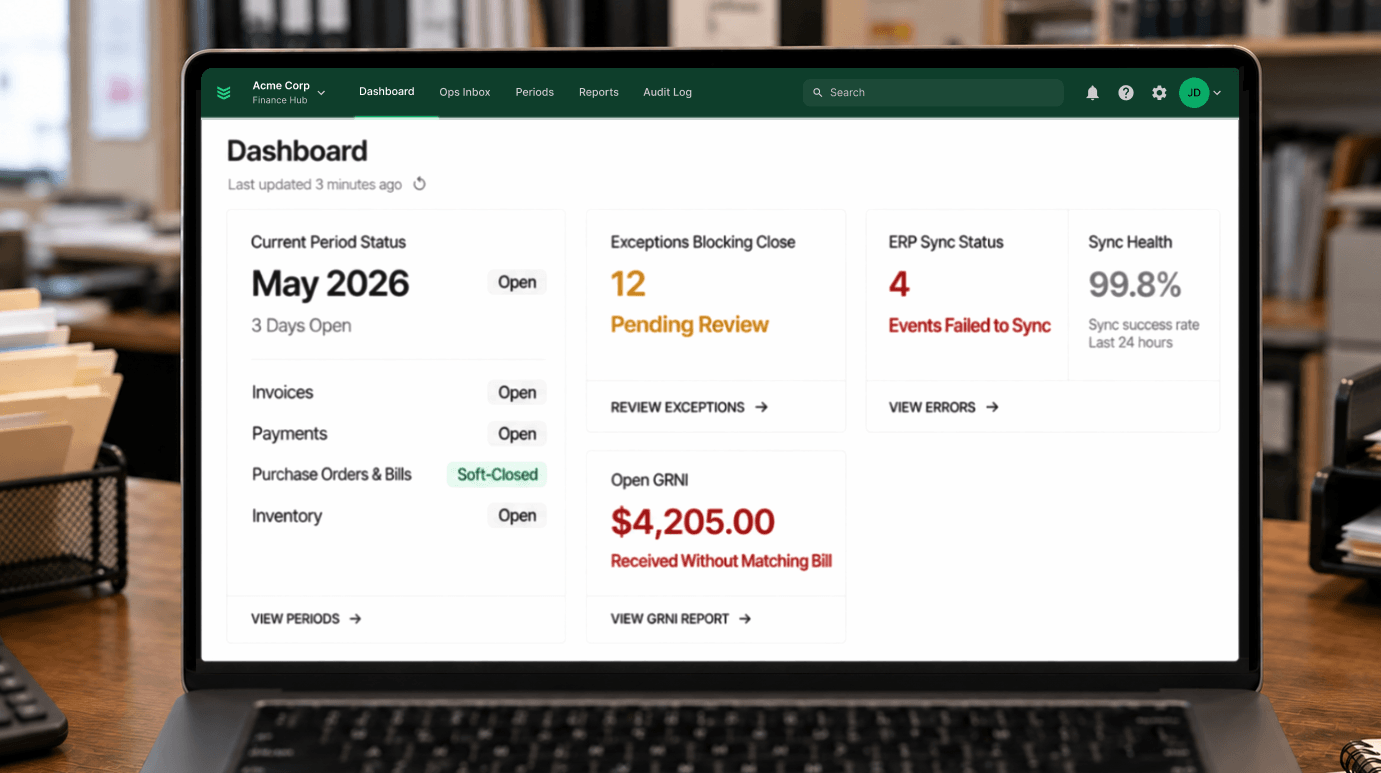
BuildOps gives project managers a current view of how financial events are affecting the job while work is happening. As labor, committed costs, purchase orders, change orders, and other job activity are captured, teams can see their impact on job cost, projected margin, and WIP in near real time, with fully burdened labor reflected as it becomes available.
That visibility helps project managers understand where the job stands and act on emerging risk before the accounting system completes payroll, invoice processing, reconciliation, and its regular processing cycle. They can make decisions from current cost information instead of waiting for the accounting software to finish its regular closing process and report what happened during the period that passed.
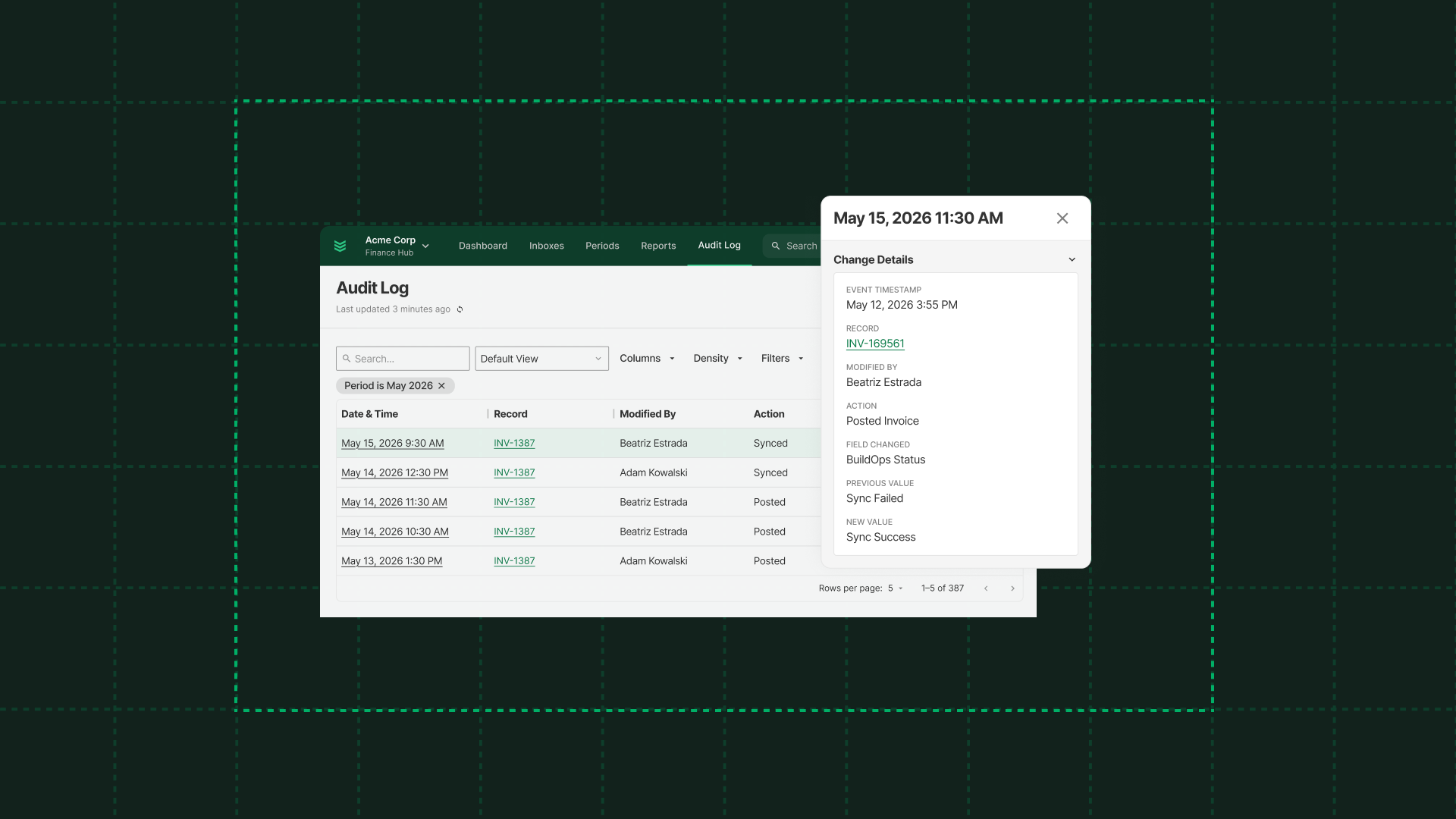
BuildOps is where project teams run the work, capture field activity, manage budgets and changes, and see job cost as the job moves. The accounting system stays where the business closes the books. BuildOps sends cleaner, governed inputs into that workflow.
Contractors don’t have to choose between operational visibility and financial control. They can give project teams a current view of the job while keeping accounting as the system of record.
One trusted number for operations and finance
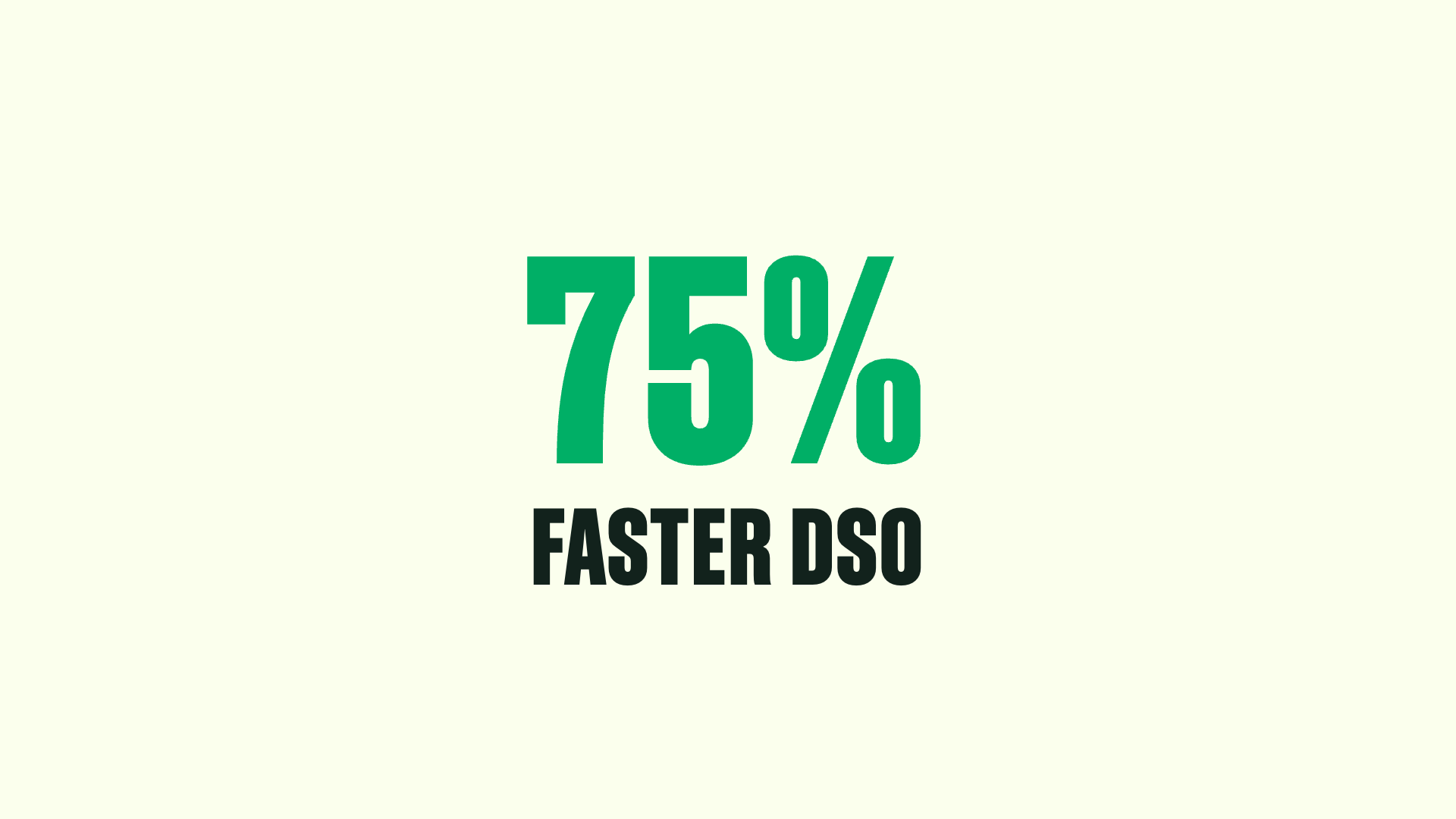
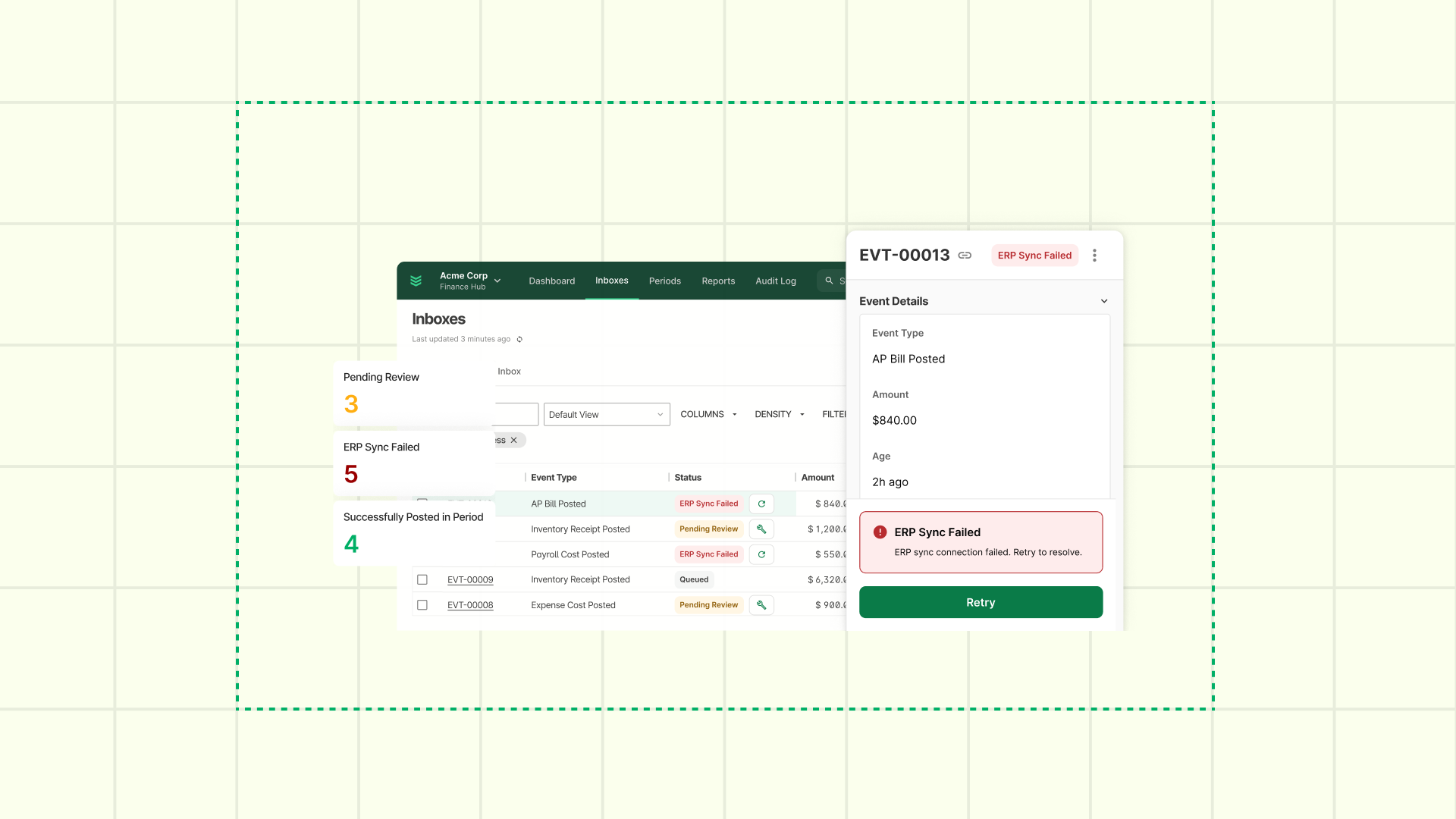
Haynes Mechanical moved its month-end close from roughly one to two weeks to about a day, with 98% of sync errors already cleared by the first close. The company also used Finance Hub to give operations and finance a more trustworthy view of the same job data.
"If a supervisor sees a contract at 42%, then I print financials and the agreement is at 38%, they don't know who to trust. When people rely on that data, it has to reconcile from both the operational and financial standpoint." — Patrick McFarlen, CFO, Haynes Mechanical
What current construction financials lets teams do differently
A current financial view only matters if teams can act on it. The workflow should help them answer four questions while the job is still moving:
- What changed in the field?
- How are current costs affecting WIP, projected margin, and the budget?
- What revenue or change order value hasn't been captured yet?
- What decision can we make now to protect the job?
This is the difference between reporting on a job and managing it. Accurate, near-real-time cost reporting gives operations the context to make better decisions before the available options narrow. It turns financial events into information the team can use while the work is still happening, not just after the books close.
The earlier the team sees the issue, the more options it has.
Protect margin before the books close
The job doesn't wait for month-end to change. Your financial view shouldn't have to either.
Learn more about Construction Financials and how BuildOps connects operations, job cost, and accounting.