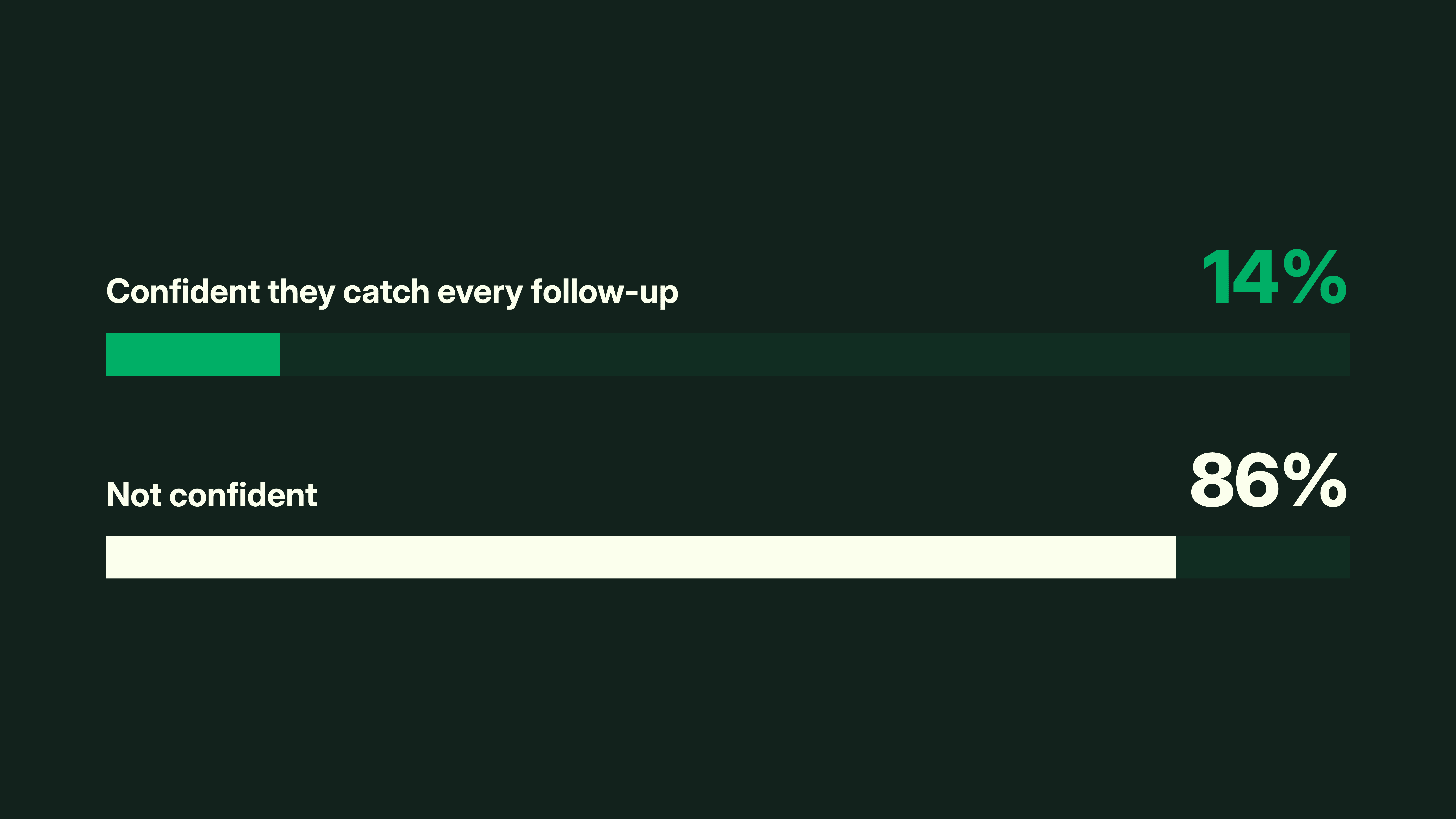
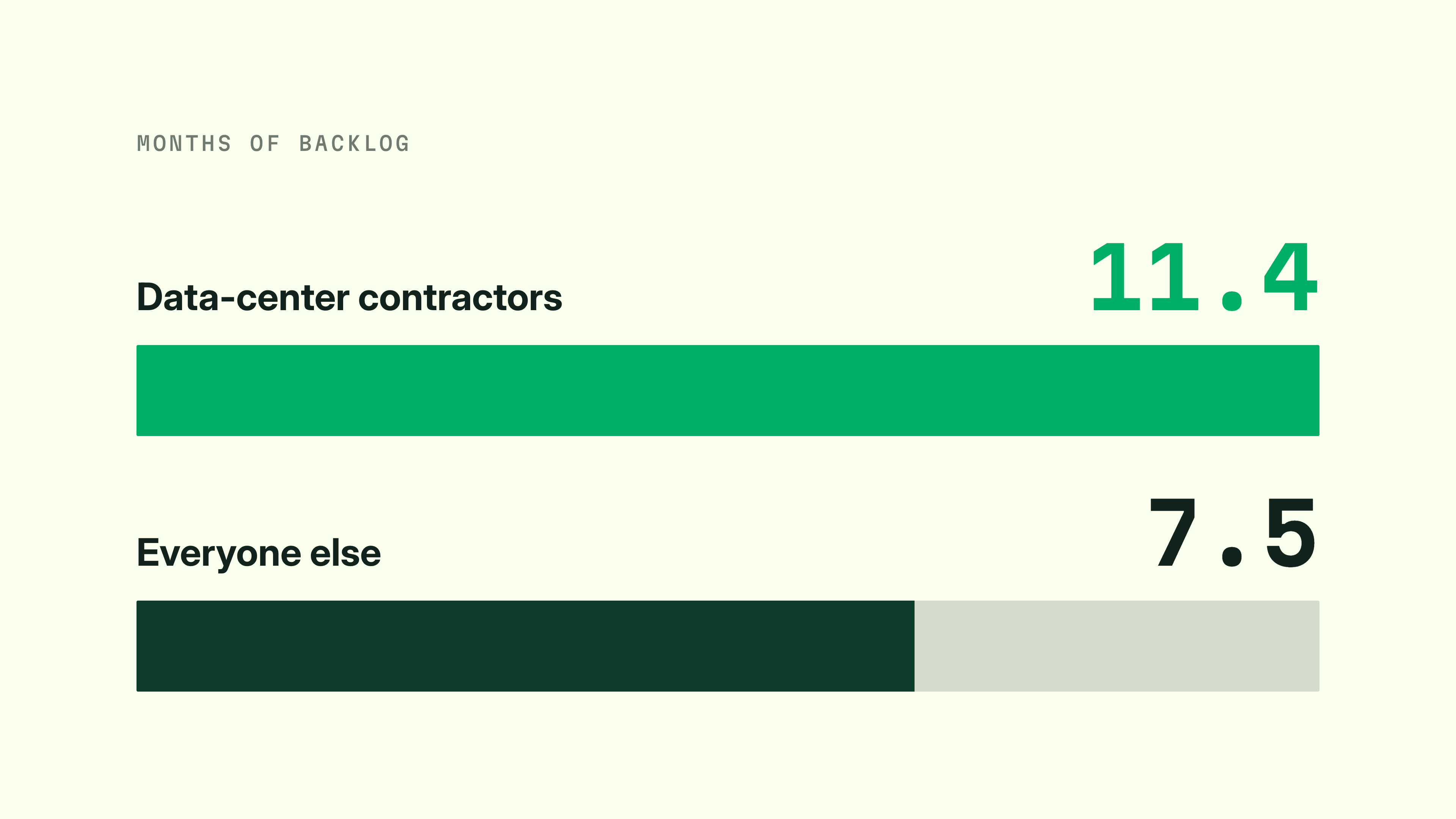
Your PM Is Retyping Field Notes Into Excel. In 2026. There's a Better Way.
You need a system that's built for the work you do.
Think about what a typical day looks like for a project manager on a commercial construction job.
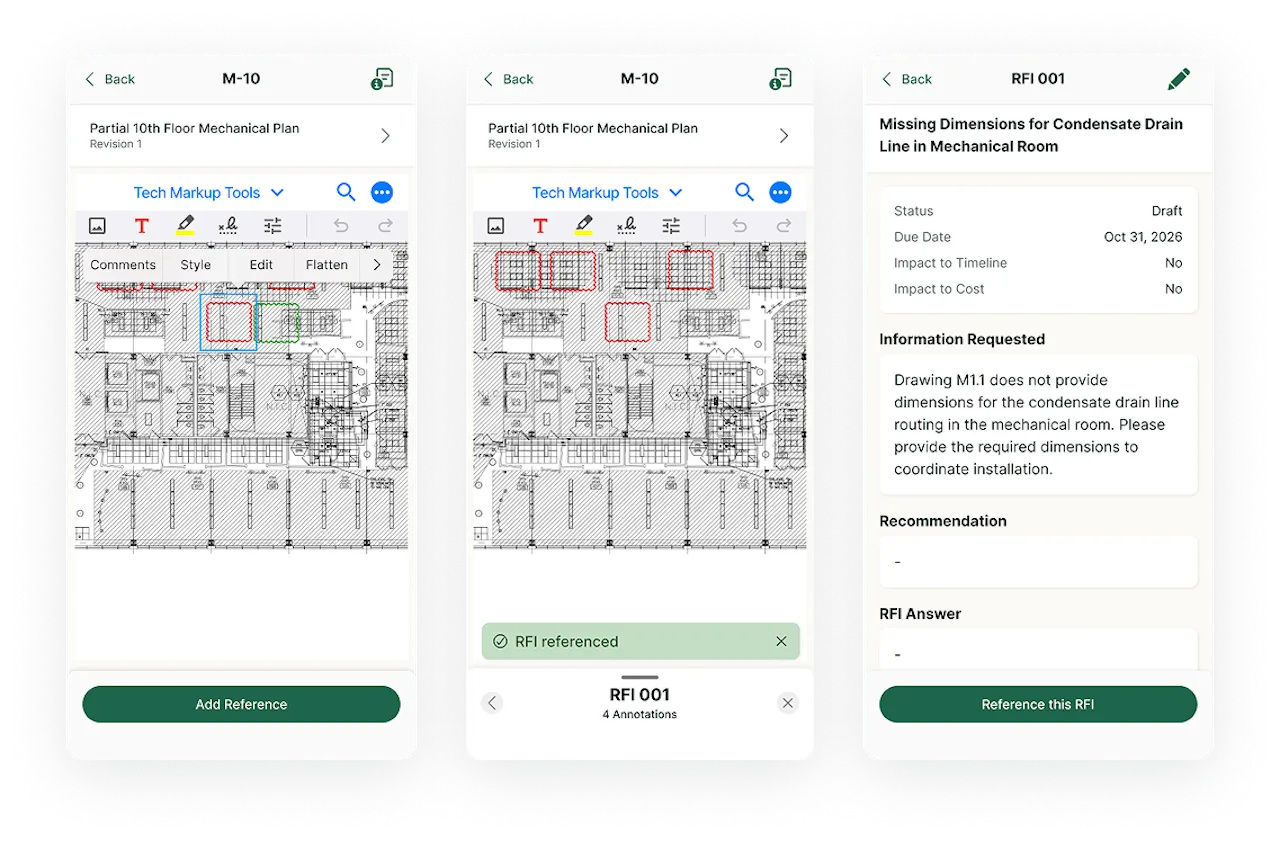
They start by checking the GC portal — Procore, usually — for any updates overnight. RFI responses, schedule changes, inspection notices. Then they open Excel to update the budget with yesterday's labor hours, which came in via text from the foreman, who got them from the crew leads, who tracked them on paper. Then they open their email to chase a submittal response that's been pending for 11 days. Then they walk the site, take notes on their phone, and later retype those notes into a daily report — which goes into a shared drive folder that nobody looks at until there's a problem.
By 10 a.m., they've touched five systems, retyped the same information twice, and haven't done a single thing that actually moves the project forward.
This isn't a bad PM. This is what happens when the tools weren't built for the work.
The busywork tax
Every hour a PM spends retyping, reformatting, cross-referencing, or chasing information is an hour they're not spending on the two things that actually determine whether a project succeeds: keeping it on schedule and protecting the margin.
But it's worse than just lost time. Every manual handoff introduces error. Foreman texts hours to PM. PM types them into Excel. Someone transposes a number. That error lives in the budget for three weeks until the next WIP review, when it shows up as a variance nobody can explain.
Or: a field note captured on a phone never makes it into the project record. Six months later, in a scope dispute, the contractor can't prove what conditions they encountered on site that day. Not because they didn't see it — because the system didn't connect it.
In 2026, with AI capable of summarizing field reports, flagging anomalies in labor data, and auto-connecting change events to budget line items — the fact that PMs are still retyping notes into spreadsheets isn't just slow. It's a choice to leave value on the table.
What AI-powered handoffs actually look like
This isn't science fiction. It's not a chatbot sitting in the corner waiting for someone to ask it a question.
In a System of Action, AI is embedded in the workflow. It's the difference between "the PM rebuilds the daily report by hand" and "the system generates a daily report from field inputs, flags anything unusual, and connects it to the project record automatically."
It's the difference between "someone manually checks whether an RFI response came back" and "the system tracks the RFI status, alerts the PM when it's overdue, and connects the response to the next procurement step."
It's the difference between "we find out labor ran hot at the WIP meeting" and "OpsAI flagged a labor variance on Tuesday and the PM adjusted the crew plan on Wednesday."
None of these are futuristic. They're what happens when field data, project documentation, and financials live in one connected system — and AI has enough context to act on them.
The compounding advantage
Here's what the smartest project shops understand: every day you run connected, your system gets sharper. Every field report, every RFI, every labor log — it's not just a record. It's training data. It's context that makes the next recommendation better, the next flag more accurate, the next decision faster.
The contractors who've been running their projects on disconnected tools for years don't just have a process problem. They have a data deficit. When they finally move to a connected system, they're starting from zero — no patterns, no history, no intelligence.
The ones who move now are building an advantage that compounds with every job.
Your PM doesn't need to work harder. The system needs to work smarter.