How to Stop Guessing Whether You Caught Every Follow-Up
We asked 76 contractors if they're confident they catch every follow-up opportunity. Most weren't.
Plenty of good work gets lost after the first conversation.
The way to capture more of this work is through follow ups, but it’s easy to lose track of quote and contract statuses when you don’t have a clear process in place.
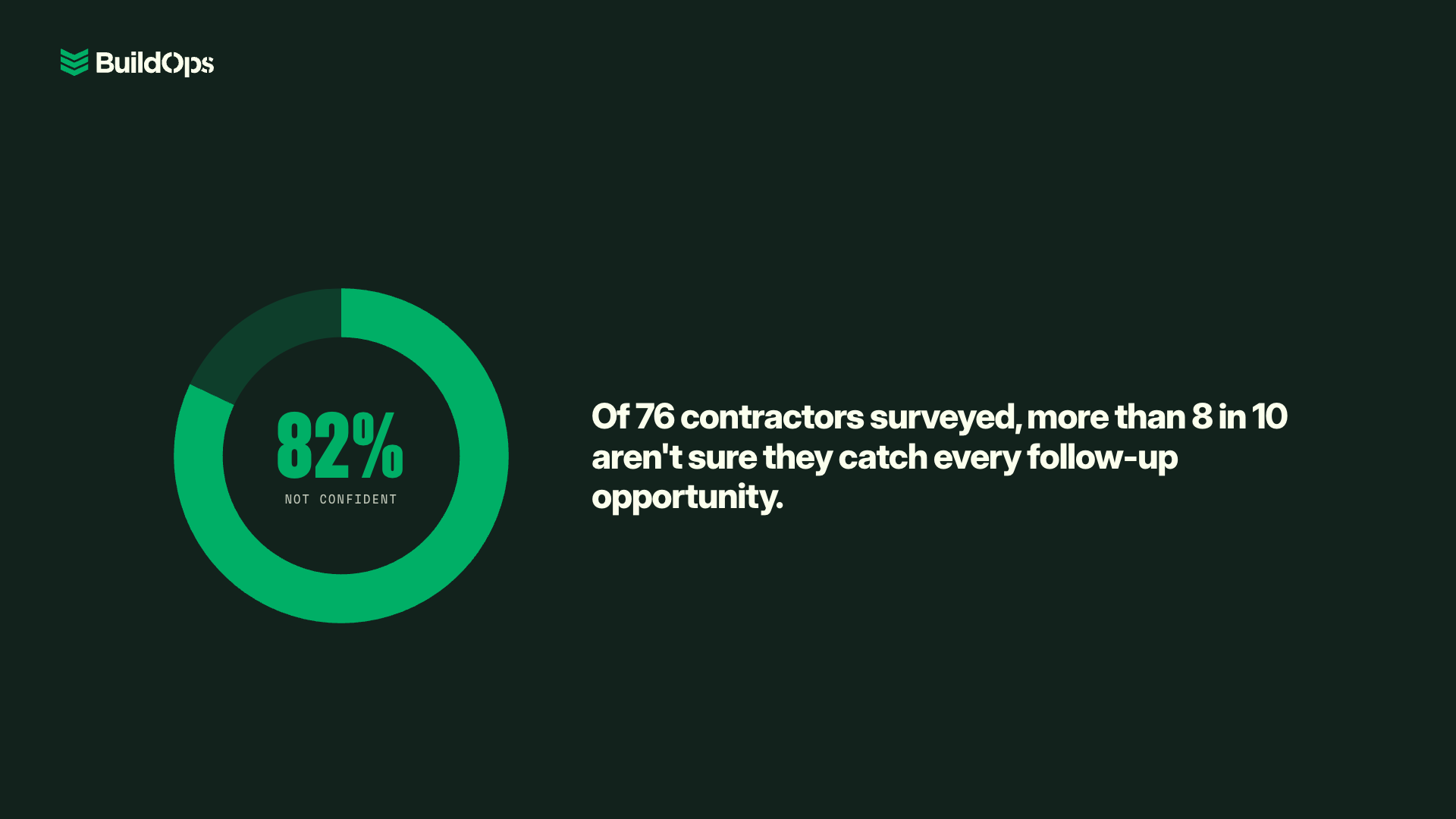
We asked 76 contractors if they were confident they would catch every follow-up opportunity. More than 80% said they were “somewhat confident” or “not very confident.”
That lack of confidence points to a process that needs improvement so you can be sure you aren’t leaving money on the table.
5 questions to improve follow-ups
If you had a follow-up process that you were 100% confident in, how much more work could you capture?
That’s a hypothetical question right now, but you can get a real answer by examining your current follow-up process and fixing the leaks.
Here’s what to do.
1. Are all follow-up opportunities visible?
Pull a recent list of open quotes, project bids, service follow-ups, replacement proposals, and maintenance agreement leads.
How hard was it to build that list?
Was everything easy to find in one place, or did you have to dig through email threads and spreadsheets or ask someone what they remember about a quote status?
If you had to check multiple sources, you’ve found your first gap.
With information scattered across different places, there’s no way to be sure you found everything. There could be dozens of overlooked quotes aging into oblivion instead of turning into revenue.
The fix:
- Use one system as the source of truth for follow-up activity.
- Log each new lead, recommendation, quote, or bid there as soon as it’s created.
- Review new activity on a regular basis to make sure nothing bypasses the system.
2. Does every follow-up have a clear next step?
Review your open follow-ups and look for anything without a specific action attached to it.
A note that says “follow up” isn’t enough. You should be able to see who owns the next move, what they need to do, and when they need to do it.
Pay special attention to anything that has been sitting untouched for seven days or more. If no one can say what happens next, that work is at risk of going stale.
Fix it:
- Assign one person to own each follow-up.
- Define the next action, such as calling the customer or scheduling approved work.
- Add a due date so open work doesn’t sit indefinitely.
3. Is follow-up happening fast enough?
How long does it take your team to act after a service visit, customer request, or submitted bid? And once the next step is in motion, how long before someone checks back in?
The longer follow-up sit without action, the easier it is for the customer to move on.
Fix it:
- Set clear turnaround targets for common follow-ups, such as quotes or maintenance agreement proposals.
- Follow up within seven days of sending.
- Use reminders or alerts to flag anything that sits without activity.
- Track how long it takes to move from the original opportunity to the next action, and how often follow-ups miss your target window.
4. Can you account for what happened to every opportunity?
Once a follow-up enters the workflow, you should be able to trace where it ended up.
Review recent activity and match each item to a clear outcome: won, lost, deferred, canceled, or still open.
Anything without a clear status deserves a closer look. Those unresolved items show you exactly where work is dropping out of the process.
If several quotes stay open with no follow-up, or deferred work keeps sitting without a new date, you’ve found a specific handoff that needs attention.
Fix it:
- Require a current status for every follow-up.
- Document the final outcome when the customer makes a decision.
- Add a future follow-up date for deferred work.
- Track unresolved items by where they stalled so you can see which handoff needs attention.
5. Is your follow-up process improving?
Once you tighten the process, track whether the changes actually stick.
Compare the same numbers month over month.
Are more follow-ups getting an owner and a next step? Are quotes going out faster? Are more items reaching a clear outcome? Are fewer getting stuck with no activity?
If you only look at individual wins and misses, it’s hard to tell whether the process is getting better. The trend gives you the answer.
Fix it:
- Track a few KPIs monthly, like average quote turnaround time, number of overdue follow-ups, or percentage of opportunities with a documented final outcome
- Compare results against the previous month or your original baseline.
- If a metric stalls or gets worse, go back to that part of the workflow and find out why.
Replace guessing with a follow-up workflow you can actually check
A stronger follow-up process gives you a way to know whether your team caught everything instead of just hoping they did.
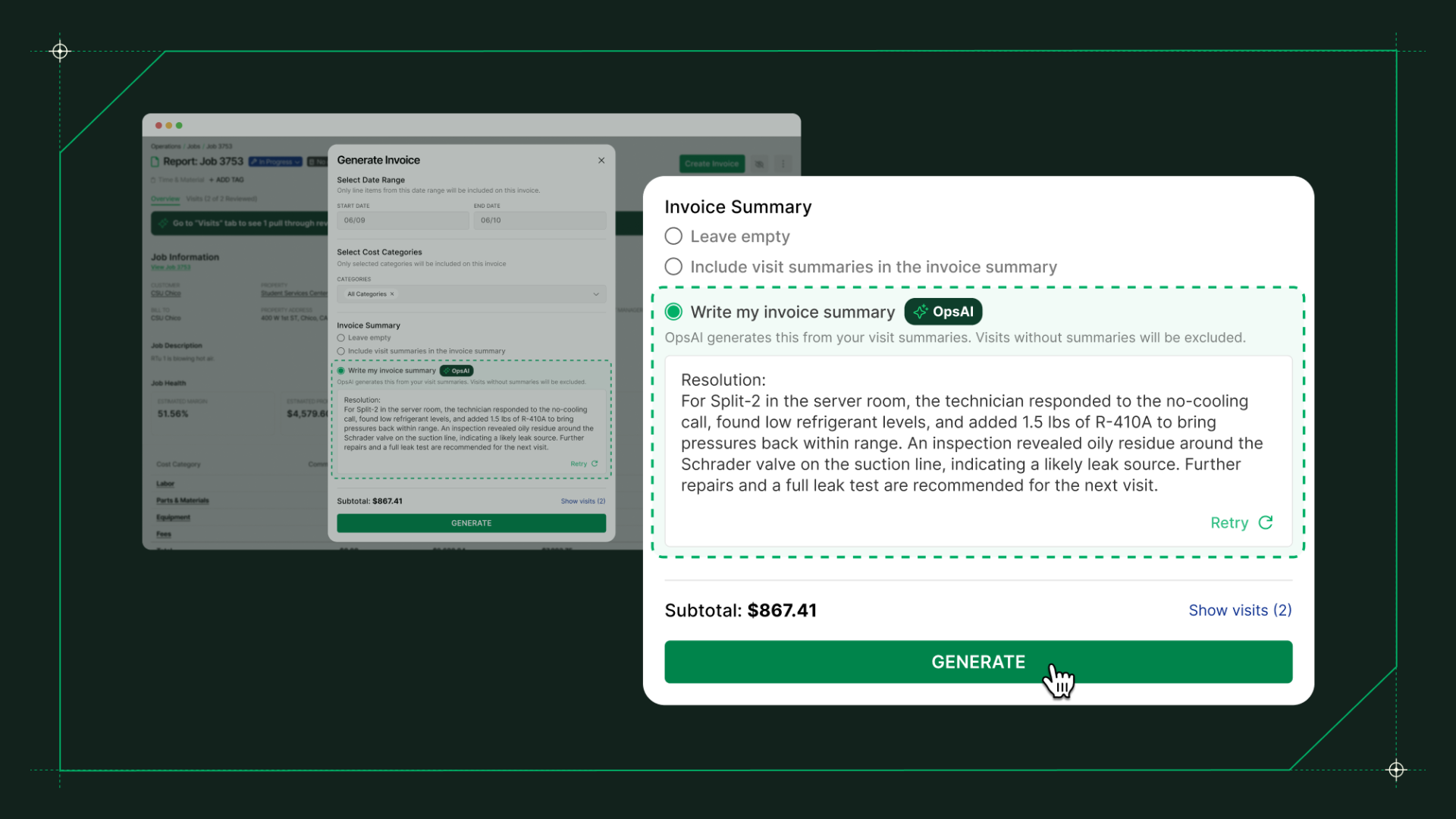
BuildOps keeps the process connected and visible so you can review it at a glance instead of relying on memory or disconnected apps.
Here’s what the workflow looks like when everything lives in one place:
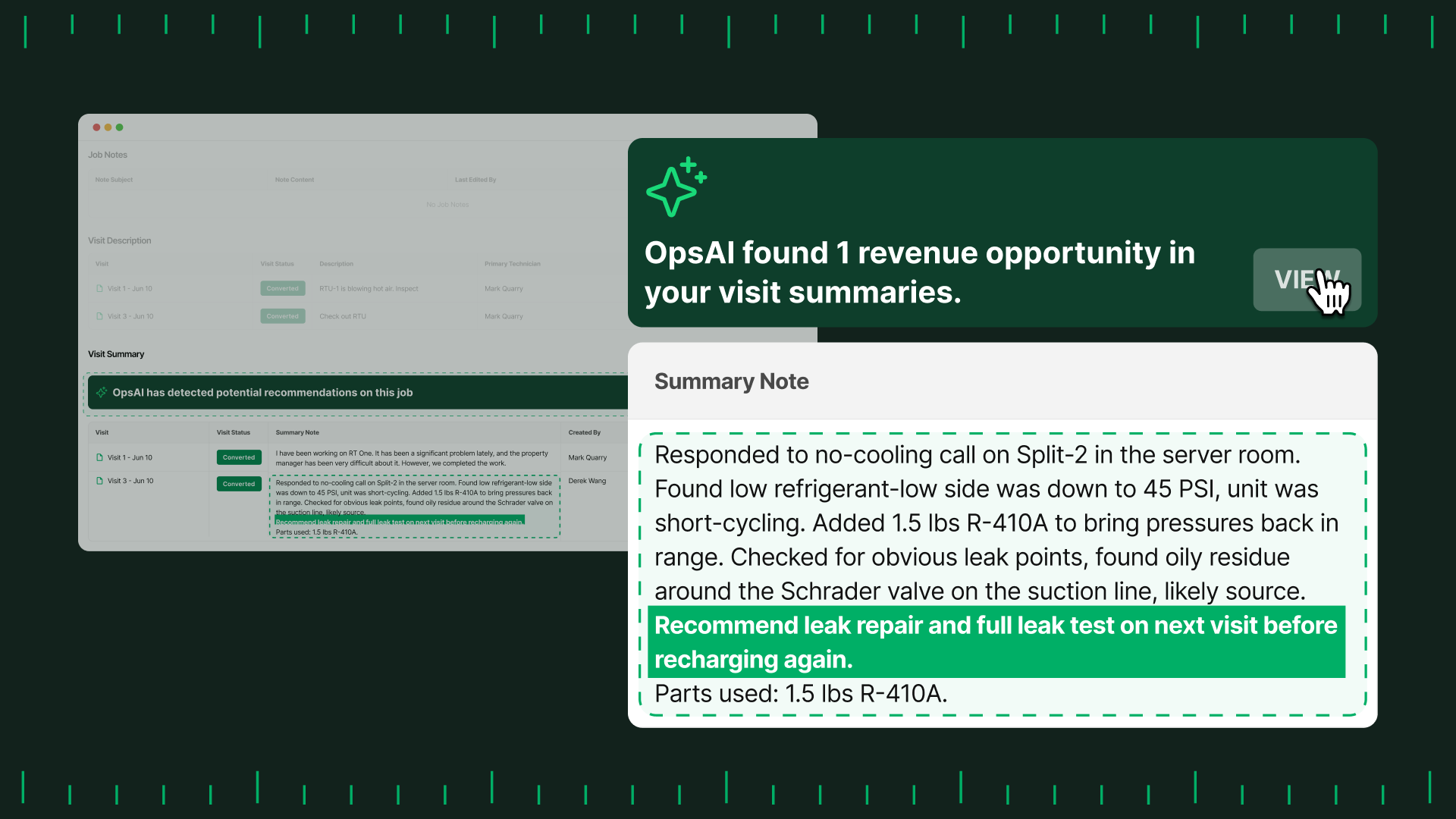
- A tech’s job summary notes an aging unit or repair need, and Revenue Finder surfaces that potential work as a quote recommendation.
- The office reviews it, creates a quote without leaving the workflow, and gets it in front of the customer while their interest is highest.
- The Recommendations workflow shows the quote’s follow-up and conversion status so it doesn’t fall through the cracks.
Keeping follow-up visible and moving gives your team more chances to convert existing demand into revenue.