Why Preventive Maintenance Wins on Every Job Today

Key Takeaways
- Some of the biggest upsides of preventive maintenance include less downtime, longer asset life, and collecting better data
- There are some potential financial risks to this approach, so you want to be aware of them so you can avoid them when implementing preventive maintenance
- It’s always better to conduct preventive maintenance over breakdown maintenance, especially when it comes to your bottom line
For trade contractors, preventive maintenance isn’t a “nice-to-have” line item—it’s the engine that drives uptime, protects margins, and keeps owners signing renewals year after year. You already know how to build PM checklists and workflows, but this guide leans into why field service teams that fully commit to a preventive mindset pay off.
Here’s what we’ll cover:
- 7 advantages of preventive maintenance
- 4 preventative maintenance disadvantages to watch out for
- Why it’s better to conduct preventive maintenance over breakdown maintenance
In the sections below, we’ll walk through the biggest advantages, the trade-offs to watch for, and why a proactive approach consistently beats running to failure.
7 advantages of preventive maintenance
Preventive maintenance changes the shape of your workload: fewer fire drills, more planned visits, and clearer insight into what’s happening across every asset you touch. Here are the key benefits commercial teams see when they make the shift.
1. Less unplanned downtime
The most obvious win: equipment fails less often and for shorter periods. By catching worn belts, drifting setpoints, corroded hangers, and weak breakers before they go critical, you keep tenants comfortable, production running, and calls out of “all-hands emergency” mode. A well-run PM program turns surprise shutdowns into scheduled work that doesn’t blow up your dispatch board.
2. Longer asset life and better replacement timing
Structured inspections and tasks slow wear on chillers, RTUs, pumps, panels, risers, and racks—stretching capital budgets and helping owners avoid early replacements. If you’re building or refining your playbook, reviewing practical preventive maintenance procedures examples makes it easier to standardize what “good” looks like for each asset class.
3. Safer, more compliant buildings
For fire/life safety systems, electrical gear, gas piping, and critical refrigeration, “run to failure” isn’t an option. Routine inspections, testing, and documentation are how you stay aligned with NFPA, AHJ, and insurer requirements. Preventive maintenance lowers life-safety risk while giving safety and compliance teams the paper trail they expect during audits and renewals.
4. Better data for pricing, estimating, and sales
When every PM visit logs consistent readings, issues, and recommendations, you build powerful data: which assets cause the most trouble, true task durations, top-used materials, and where upgrades pay off. Tracking preventive maintenance KPIs turns that data into clear dashboards for better pricing, estimating, and performance reviews.

Most shops track hours and invoices, but few have the visibility to spot slow‑bleeding losses until it’s too late. By dialing in the right preventive maintenance KPIs and metrics, every service visit turns into hard data you can use to price smarter, prioritize upgrades before failures, and turn recurring PM work into a reliable profit engine.
5. Smoother operations for field and office
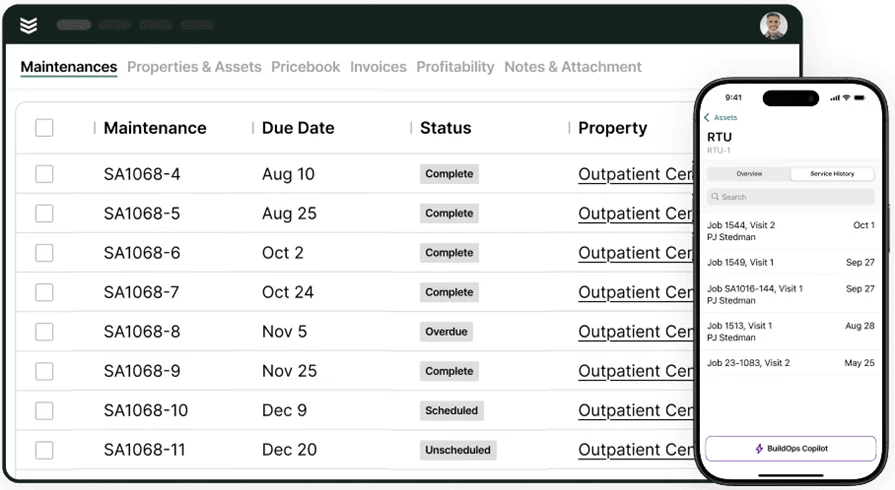
When PMs are planned and routed through modern preventive maintenance software, your calendar stops being a wall of red emergencies. Dispatch can bundle visits by geography and trade, techs know what’s on deck, and office staff aren’t constantly re-prioritizing. Over time, that stability reduces burnout and makes it easier to ramp new hires into a predictable way of working.
6. Stronger customer relationships and renewals
Owners and facility managers notice when the building “just works.” Clear PM reports, fewer outages, and thoughtful recommendations build trust—and trust drives renewals, expansions, and referrals. Preventive programs also create recurring, forecastable revenue instead of relying only on project spikes and break-fix work.
7. Higher overall profitability
Preventive work is more predictable, easier to staff, and less chaotic than emergency response. You can route techs efficiently, stage materials ahead of time, and keep overtime under control. Combined with stronger renewals and upsell opportunities from well-run PM programs, that usually translates into healthier margins across every trade in your commercial service business.
{{related-content-block="/resources/business-toolkit"}}
4 preventative maintenance disadvantages to watch out for
Even a solid preventive maintenance program can create problems if it’s not designed well—especially for busy commercial MEP, FLS, and refrigeration teams.
- Setup overhead: Building asset lists, checklists, and schedules takes real time. If you underestimate the upfront work, the program can stall before it delivers value.
- “Checkbox” inspections: Rushed techs may click through tasks without truly inspecting equipment, giving owners a clean report while real issues stay hidden.
- Over-servicing low-risk assets: Treating every unit the same can waste labor on newer or low-criticality equipment instead of focusing on chillers, risers, life-safety systems, and production-critical gear.
- Scattered data: If readings, photos, and notes land in different apps or spreadsheets, you drown in information without the insight you need for replacements, pricing, or compliance.
When you recognize these pitfalls early and design around them, the benefits of preventive maintenance far outweigh the drawbacks. With the right structure, ownership, and tools in place, your PM program becomes a competitive advantage—not just another layer of admin work.
Why it’s better to conduct preventive maintenance over breakdown maintenance
Breakdown maintenance waits for something to fail, then scrambles the whole operation—overtime labor, rush parts, angry tenants, and equipment down when it matters most. For commercial trades, that’s a brutal way to run chillers, RTUs, fire systems, racks, and mission-critical electrical gear. Every unplanned outage means lost revenue, safety risk, and a dispatcher trying to reshuffle an already full board.
Preventive maintenance flips that script. By putting structure around inspections, testing, and checklists, you catch small issues early, schedule repairs on your terms, and extend the life of expensive assets. Over a year or two, that usually means fewer emergencies, lower total repair costs, and better control of labor—all while giving owners clear proof that you’re protecting their buildings, not just fixing what breaks.
A maintenance strategy is only as strong as the system behind it. Whether you’re heavy on PMs, mostly break-fix, or somewhere in between, none of it works if checklists are stuck in spreadsheets, asset history is scattered, and techs don’t have a clean way to capture what’s happening on every unit, panel, and riser.
BuildOps fixes that. Our AI-native, all-in-one field service platform pulls every visit, reading, photo, and recommendation into one place across MEP, FLS, refrigeration, and construction—then uses that data to surface risk, catch missed follow-ups, and keep managers ahead of issues instead of chasing them. The result: better uptime, safer buildings, and stronger margins.
If you’re curious how that would look with your own workflows, you can sit down with our team for a working session and map one of your real checklists into BuildOps—no pressure, just a live view of what an AI-driven platform can do with the jobs your crews are already running.