6 Best Preventive Maintenance Software for Field Crews
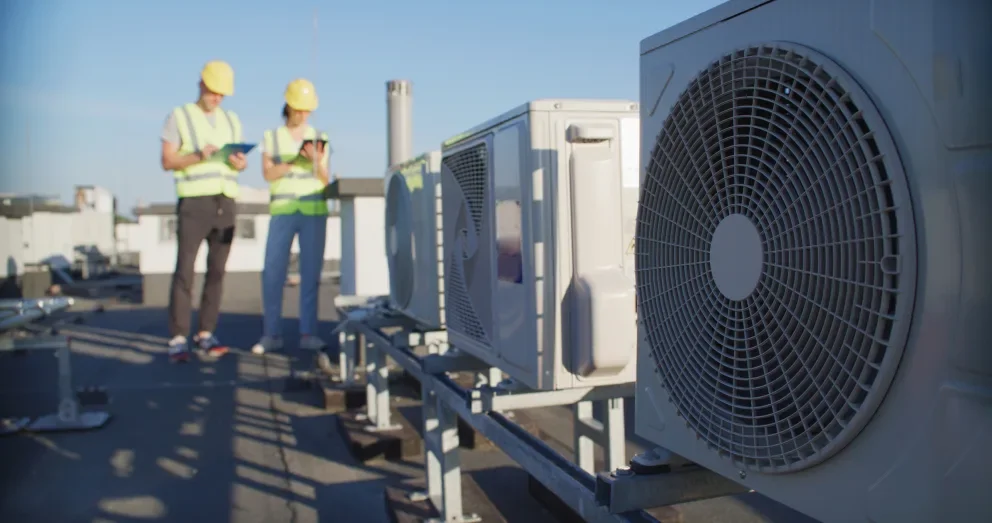
Managing recurring service across multiple sites, crews, and asset types leaves no room for a system that slows your team down. For contractors running PM contracts in field service management—whether that's HVAC, plumbing, electrical, fire safety, refrigeration, or mechanical—the difference between a profitable maintenance program and a costly one often comes down to how well your software keeps up.
Preventive maintenance software built for the field connects scheduling, dispatch, asset history, and invoicing into one place, so your techs stay on task, and your office stays ahead of what's due.
Here's what this guide covers:
- Choosing the right preventive maintenance software for your contractors
- 5 key features every preventive maintenance software should offer
- 6 best preventive maintenance software for contracting teams
- 7 real benefits of using preventive maintenance software
- 4 important FAQs about preventive maintenance platforms
Before comparing platforms, let's cover what your team actually needs from a system—and how the right preventive maintenance software keeps jobs moving instead of piling up.
Choosing the right preventive maintenance software for your contractors
The platform your team runs on drives the results of every PM contract: how reliably work gets done, how quickly invoices go out, and how clearly your office sees the field. Here’s what to look for before you commit your team to a system.
- Ease of use – Can a tech access a full asset history and PM checklist from their phone without contacting the office? Does the mobile interface work on a job site, not just a desktop? How long does onboarding actually take for a field crew that has no downtime to spare?
- Value for cost – Does the platform reduce the admin hours tied to scheduling, follow-ups, and billing on recurring contracts? Does it automate the repeat work—job creation, reminders, invoice triggers—so your team handles exceptions, not routine tasks?
- System integration – Does it connect to your dispatch board, service agreement tracking, and quoting tools without a manual workaround? Can historical service records be imported cleanly so your techs have context from day one?
- Support and reliability – What's the guaranteed response time when something breaks during an active dispatch cycle? Is job and customer data backed up automatically, or does that fall on your team to manage?
- Compliance and documentation – Does it generate inspection records tied to specific assets, visit dates, and tech sign-offs—ready for a client audit or contract review? Can it flag PMs that are approaching their service interval before they go overdue?
- Full field service capability – Does the platform support the complete job cycle across your trades—scheduling, dispatch, mobile job management, service agreements, and invoicing—without switching systems? Can it scale across multiple crews, service types, and site locations from a single account?
Choosing software without your field leaders at the table creates friction fast. These questions uncover what really matters before you commit. Next, we’ll walk through the five core features every preventive maintenance platform should deliver to keep recurring work tight and crews moving.
{{related-content-block="/resources/field-service-management-software"}}
5 key features every preventive maintenance software should offer
Running preventive maintenance across multiple trades and service locations means your software has to drive execution, not just store job records. Here's what matters most when evaluating a platform for recurring maintenance and field-driven service work.
1. Scheduling and dispatch built for the field

When your team is turning over dozens of recurring PMs each week—across HVAC, plumbing, electrical, and mechanical—the platform holding those schedules has to keep every move clean. Field service scheduling tools automate recurring job creation, lock in service intervals by asset type, and stagger multi-site PM cycles without relying on manual calendar management. And when priorities shift mid-week, smart dispatch software lets your operations team redirect techs in real time based on proximity, availability, and skill set—so schedule gaps get closed before they turn into missed visits.
2. Service history and asset tracking
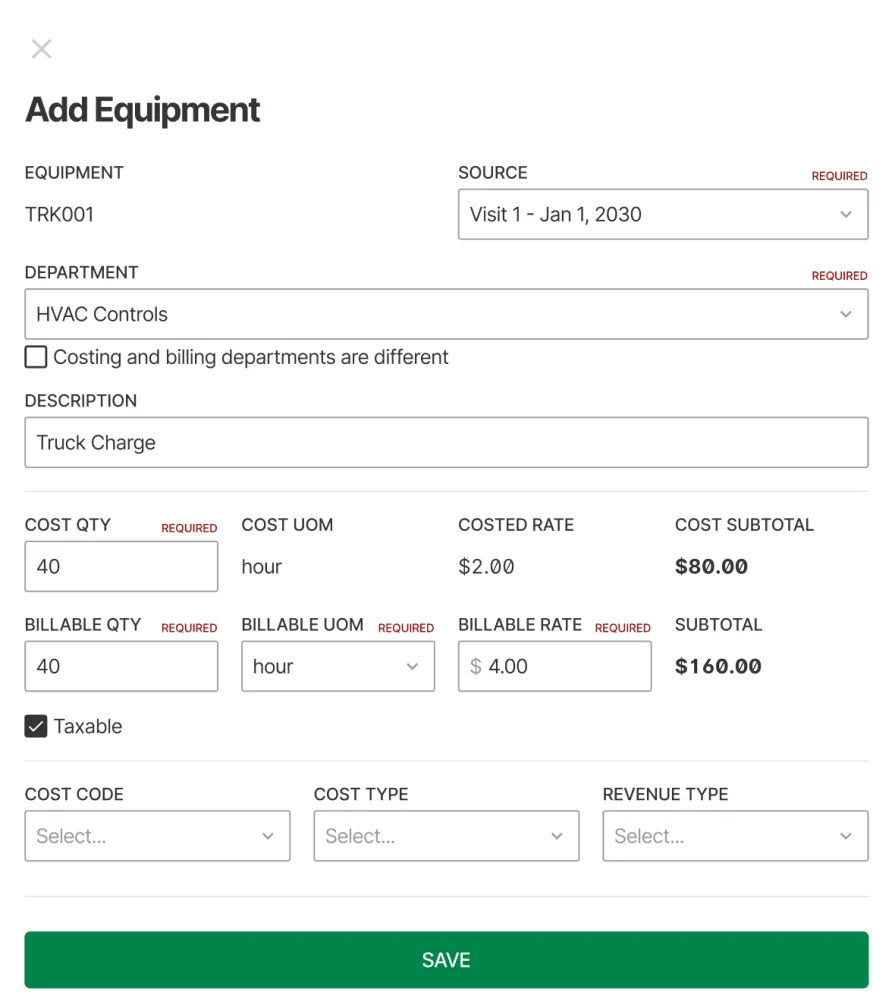
Every PM visit is only as effective as the context your tech walks in with. Field service CRM software gives your team on-demand access to full asset records—past service notes, repair history, flagged issues, and inspection results—so techs arrive informed, not guessing. Paired with AI-powered tools that surface patterns across service histories, your team can identify recurring failures and cost trends before they escalate into emergency calls or contract disputes.
3. Mobile documentation that works in the field

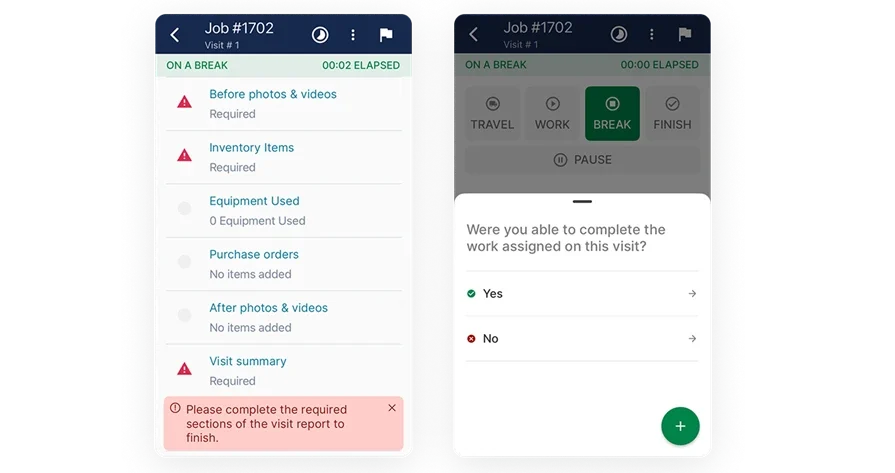
Techs running back-to-back PM visits can't afford to double-handle paperwork at the end of a shift. A technician mobile app puts job checklists, asset notes, photo uploads, service signatures, and close-out steps directly on their phone—documented at the job, not reconstructed later from memory. It keeps field-to-office handoffs clean and eliminates the data gaps that come from end-of-day logging.
4. Invoicing tied to completed preventive maintenance jobs

Billing cycles that lag behind job completion create cash flow gaps that compound fast on high-volume PM contracts. Field service invoicing software triggers invoice generation the moment a job is marked complete—linked directly to the checklist, labor hours, and service notes from the field. Integrated payment tools give your office a live view of what's collected, what's pending, and what needs follow-up without manually reconciling job records against open balances.
5. On-the-spot quoting for service findings
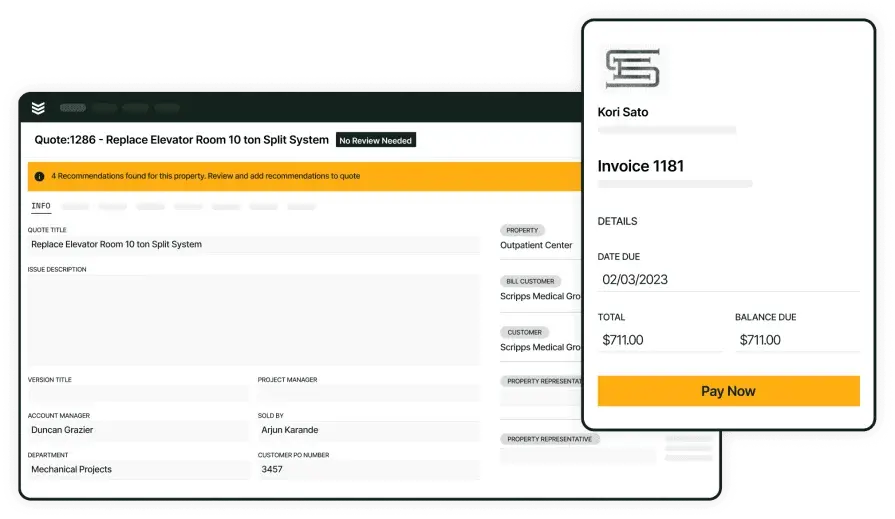
Preventive maintenance work consistently surfaces repair needs, and the time between identifying an issue and getting client approval determines how fast it gets resolved. Service quoting software lets techs build and send estimates directly from the job site—parts, labor, and supporting photos included—before they leave the property. That turnaround cuts the lag between field findings and approved follow-up work significantly.
Other notable features for preventive maintenance crews
Not every feature drives daily PM execution, but the best preventive maintenance management software still includes tools that give contractors tighter control over contracts, crews, and costs. When your operation scales across multiple sites and service types, these close the gaps that manual processes leave open.
- Time tracking – Crews using built-in time tracking tools log labor hours from the field, giving your office accurate job costing and payroll data without chasing timesheets after the fact.
- Reporting and job analytics – Contractors who use reporting software consistently get a clearer picture of PM completion rates, asset failure trends, and which contracts are actually profitable—data that sharpens quoting and staffing decisions.
- Service agreement management – Keeping contract terms, visit intervals, and billing milestones organized through service agreement tools removes the manual tracking that causes service gaps and delayed invoicing on recurring contracts.
- Fleet management – Dispatch teams that leverage fleet tracking get real-time visibility into vehicle locations and route efficiency—directly affecting how many PM jobs your crews can close in a day.
These features may not be part of your day-one rollout, but once your PM volume grows across multiple crews and trade types, they bring the structure and visibility your operation needs to stay ahead.
6 best preventive maintenance software for contracting teams
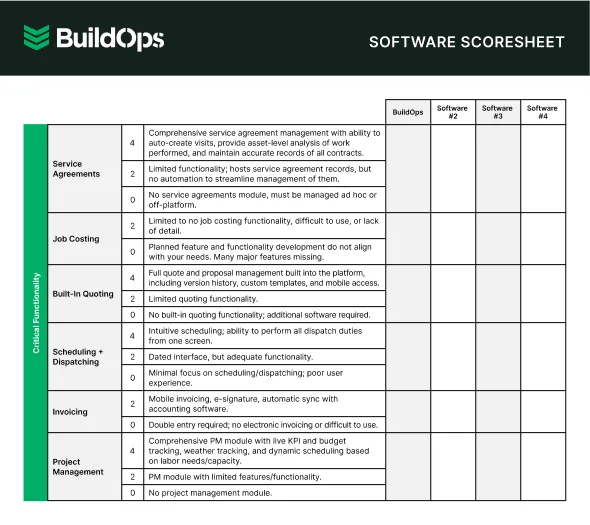
Plenty of platforms say they can handle preventive maintenance, but most are designed for internal facility teams or asset-heavy industries, not for mobile crews managing recurring service contracts across commercial properties. Below are six platforms worth a closer look, including where they shine and where the trade-offs start to appear.
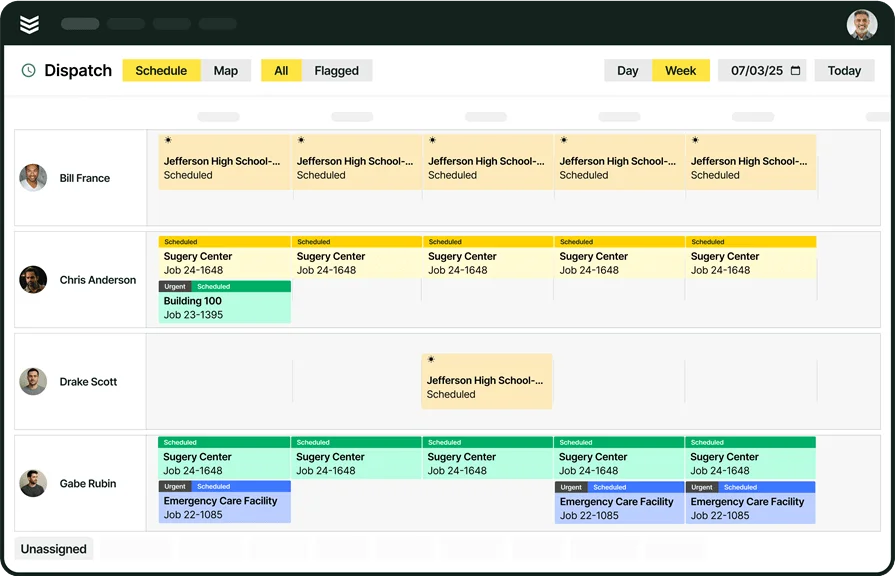
1. Best for commercial contractors: BuildOps
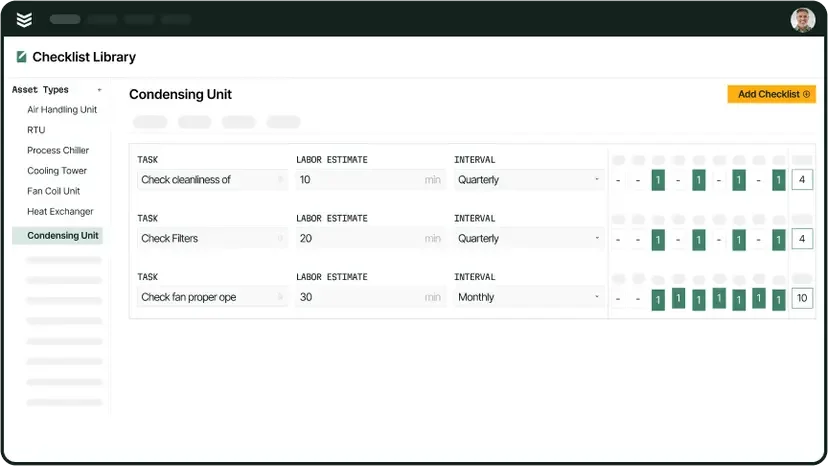
For commercial contractors managing PM contracts across healthcare, education, industrial, and multi-tenant properties, BuildOps delivers a preventive maintenance software platform built around field execution. It handles recurring job scheduling, tech assignment, asset tracking, and real-time job visibility across every crew—without jumping between disconnected systems.
Whether your team is running HVAC filter changes, plumbing inspections, or electrical panel PMs under long-term service agreements, BuildOps keeps every contract on schedule and every job documented from dispatch to close-out.
How pricing works: BuildOps offers tailored pricing based on user count, feature set, and contract scale—structured for teams that need flexibility rather than rigid bundles.
Features beyond maintenance scheduling:
- Real-time dispatch and crew workload visibility
- Automated preventive maintenance task lists and checklists
- Service agreement management and visit reminders
- Full asset history and job performance reporting
- Mobile job documentation and technician close-out tools
What sets it apart for commercial teams: BuildOps focuses specifically on field service contractors running complex, multi-property PM programs. It gives operations leads and dispatchers full control over service schedules, maintenance task lists, job statuses, and field team routing—all from one platform designed for the pace of commercial service work.
2. Best for residential service contractors: ServiceTitan

ServiceTitan supports residential contractors with tools for customer communication, scheduling, dispatching, invoicing, and technician tracking. Its strengths are in booking workflows, real-time job status updates, and tech-facing mobile tools that keep homeowner-facing service calls moving efficiently. Contractors running structured commercial PM contracts, however, may find ServiceTitan's recurring job logic and asset-level maintenance tracking too limited for the complexity those agreements demand.
How pricing works: ServiceTitan uses custom pricing based on user count and selected features. Quotes vary depending on company size and scope.
Features beyond maintenance management:
- Integrated customer messaging and call tracking
- Mobile invoicing and on-site estimate generation
- Job performance dashboards and analytics
- Automated technician dispatching
What sets it apart for residential teams: ServiceTitan is designed for quick-turn service visits, with a tech-facing app and customer engagement tools built around short-duration jobs and repeat residential clients.
Compare ServiceTitan vs BuildOps right here.
3. Best for general field service contractors: Jobber
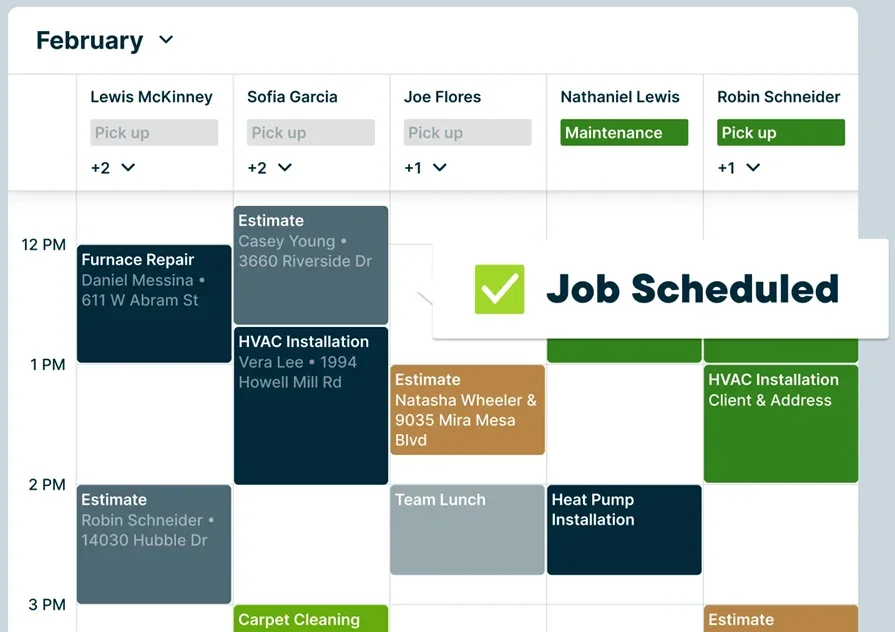
Jobber supports contractors handling quoting, scheduling, invoicing, and general service work across a range of industries. It works well for smaller teams that need clean calendar management, route planning, and invoice collection without a steep learning curve. Contractors managing multi-site PM contracts or detailed service agreements, though, tend to outgrow Jobber's recurring job and asset tracking capabilities as their maintenance programs scale.
How pricing works: Jobber runs on tiered pricing based on users and feature access. Plans are straightforward, but options can feel restrictive as service volume grows.
Features beyond maintenance management:
- Task and visit tracking across job sites
- Centralized customer records and job history
- Custom quoting templates and follow-up tools
- Invoice tracking and online payment collection
What sets it apart for general teams: Jobber's clean interface and low barrier to entry make it a practical starting point for growing contractors handling straightforward recurring service work across mixed trade types.
4. MPulse Software
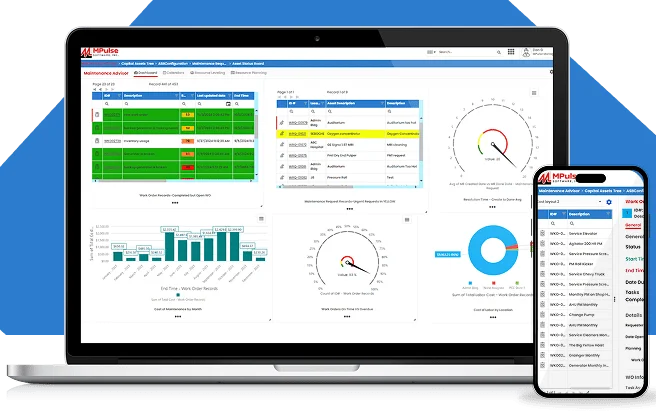
MPulse is built for maintenance-heavy environments, offering advanced asset tracking, PM scheduling, and historical performance reporting. It performs well in facilities where equipment uptime is mission-critical and inspection schedules are strict—such as manufacturing plants or large institutional properties. That said, MPulse is oriented toward stationary facility teams rather than mobile field service crews, and its interface complexity can slow down technicians who need fast, real-time scheduling and dispatching across multiple job sites.
How pricing works: MPulse follows a tiered pricing structure based on modules and user needs, with options that scale from small teams to enterprise-level operations.
Features beyond maintenance management:
- Asset lifecycle management and service tracking
- Calendar-based and meter-based PM triggers
- Historical job reporting and audit trails
- Inventory control and purchasing workflows
What sets it apart: MPulse centers on compliance, uptime tracking, and detailed maintenance history—making it a stronger fit for teams prioritizing long-term equipment reliability over daily mobile field service execution.
5. FieldInsight
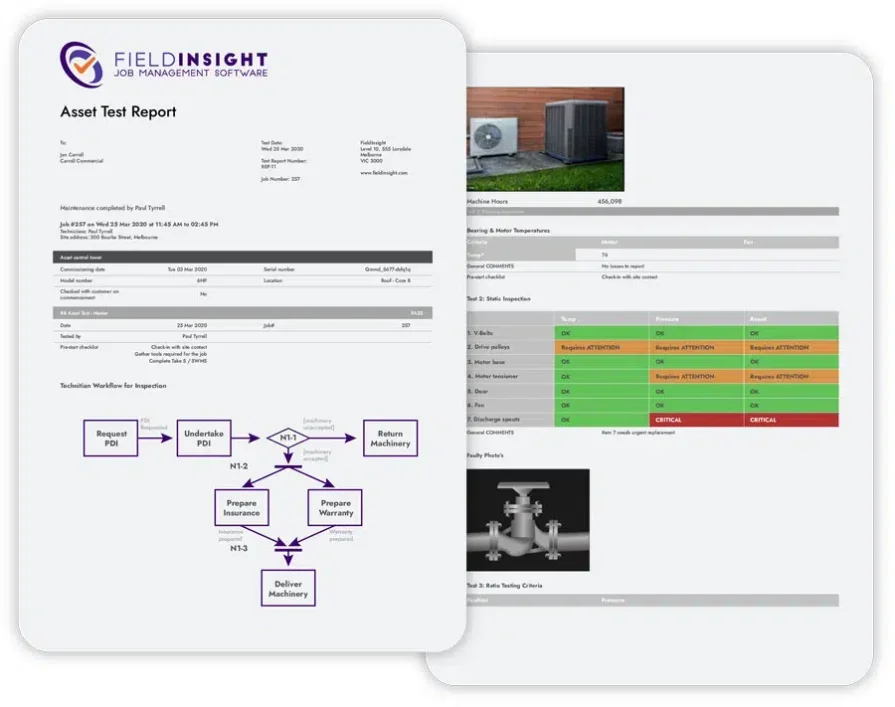
FieldInsight is designed with field service contractors in mind, combining scheduling, quoting, and job tracking within a single platform. It supports foundational maintenance workflows and keeps crews organized through real-time job updates, task checklists, and technician visibility tools. Where it falls short for PM-heavy operations is depth—contractors managing detailed recurring contracts or multi-site service agreements may find that FieldInsight's preventive maintenance tracking capabilities don't scale to match the complexity of their programs.
How pricing works: FieldInsight offers tiered subscription pricing with varying levels of automation, reporting, and user permissions across plans.
Features beyond maintenance management:
- Job scheduling and dispatch
- Customer history and job notes
- Quoting and invoice tools
- Basic task tracking and team visibility
What sets it apart: FieldInsight's mobile-friendly design and straightforward interface make it a workable option for smaller field service teams that need basic PM coordination without the overhead of a more complex platform.
6. Simpro
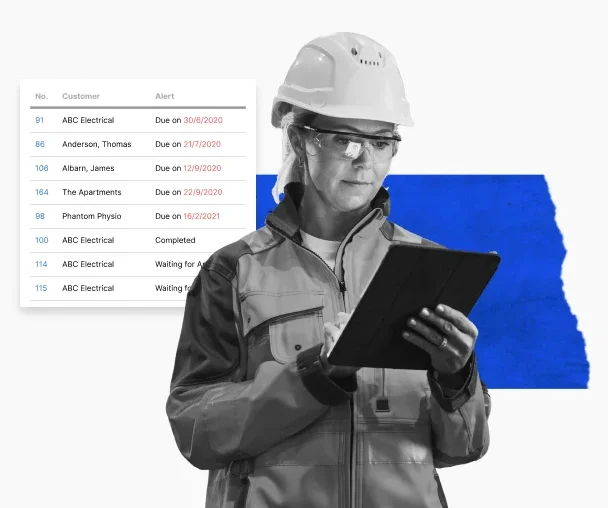
Simpro is a broad field service platform covering quoting, scheduling, job costing, and asset management for contractors balancing planned maintenance with project and install work. It handles both job types side by side, giving multi-discipline contractors a single system for tracking service and construction work together. For teams focused purely on preventive maintenance management software, though, Simpro's depth in project features can overshadow the service-side tools—making it a heavier lift than what lean PM operations typically need.
How pricing works: Simpro uses a custom quote model based on team size and feature requirements, with modular pricing that adapts to specific workflows.
Features beyond maintenance management:
- Asset registers and recurring service scheduling
- Job costing and inventory tracking
- Multi-stage quoting for large contracts
- Project budgeting and reporting tools
What sets it apart: Simpro offers deep customization for contractors who need to run install projects and maintenance contracts from the same platform—a strong fit when both sides of the business are consistently active.
7 real benefits of using preventive maintenance software
Running PM contracts across multiple sites and crews demands a level of operational precision that manual processes can't sustain. Here's what you actually gain when using preventive maintenance software built for field service teams.
1. Fewer missed appointments and scheduling conflicts
Recurring PM schedules break down fast when they're managed manually. With automated job triggers and optimized calendar views, preventive maintenance software keeps service intervals on track and eliminates the double-bookings and missed visits that come from relying on spreadsheets or shared calendars. Contractors who run their scheduling through a structured contractor scheduling software system can plan preventive tasks around crew availability, asset access windows, and contract compliance requirements—without the daily scramble to manually confirm what's due.
2. Faster technician dispatching when priorities shift

When a tech finishes early or an urgent call comes in mid-route, dispatch needs to move fast. Preventive maintenance software gives your operations team live visibility into crew status and job progress, so techs get redirected without delay. Fleet dispatch software handles the reassignment in real time—by proximity, availability, and skill set—so your schedule stays intact even when the day shifts.
3. Better job costing across preventive maintenance contracts
Knowing which PM contracts are profitable starts with accurate job-level data. Preventive maintenance software tracks labor hours, materials, and time on site per visit—giving operations leads the numbers to catch cost overruns early, sharpen quoting, and make staffing decisions grounded in how field service operations actually perform across contracts.
4. Easier invoicing tied to completed PMs
Billing that lags behind the job creates cash flow gaps that stack up fast on high-volume PM books. Preventive maintenance software triggers invoices the moment a job closes—tied directly to checklists, labor entries, and field notes—so your office bills same-day without rebuilding records from scratch.
5. Less downtime across recurring service jobs
Scheduled PM work catches equipment issues before they become shutdowns or emergency dispatches. Preventive maintenance software keeps task lists synced across crews and flags assets nearing their service interval before they go overdue. Teams using agentic AI for field service take it further—identifying failure patterns in asset histories and automating routine scheduling decisions so your team manages exceptions, not logistics.

AI is reshaping how contractors run service jobs. From intelligent dispatching to asset-level pattern detection, teams are tightening PM programs, catching issues earlier, and scaling without extra headcount. The top AI use cases in field service show exactly how leading contractors turn their PM data into smarter, more profitable maintenance.
6. Consistent service quality across crews
Standardized checklists, job templates, and asset records mean every tech follows the same PM workflow—regardless of experience level or which site they're assigned to that day. Preventive maintenance software removes the variability that comes from relying on individual habits or paper-based processes, keeping service quality consistent whether a job is handled by a ten-year veteran or someone three months in. That consistency protects your compliance record, reduces callbacks, and gives clients a repeatable service experience across every visit on the contract.
7. Centralized data for better decision-making

Common preventive maintenance platforms FAQs
Scattered notes and disconnected job records make it hard to see how your PM program is really performing. Modern preventive maintenance software brings job history, asset data, technician performance, and contracts into one place so teams can act on real numbers, not guesswork. When contractors connect that operational data with a structured field service CRM, they get a complete view of every customer—service trends, renewals, and upsell opportunities that drive predictable, long-term growth.
{{related-content-block="/resources/ai-field-service-assistant"}}
Field service contractors running PM programs manage a lot more than scheduled visits—they’re handling recurring contracts, asset performance, and crew accountability across multiple sites. Your preventive maintenance software has to support all of it, from building service agreements in the office to closing out work in the field.
Here are four questions contractors use to evaluate platforms built for real-world maintenance operations.
1. What is preventive maintenance software?
Preventive maintenance software purpose-built for contractors to schedule, manage, and track recurring service across every site, crew, and asset. It standardizes PM workflows, eliminates manual paperwork, and unifies service history, dispatch, and job documentation in one modern, mobile-first platform.
Beyond simple job tracking, modern construction service platforms like BuildOps automate task scheduling, service agreement management, technician dispatch, and invoicing—connecting field and office in a single, real-time workflow so nothing falls through the cracks.
2. How do preventive maintenance apps work for field teams?
Mobile tools give technicians everything they need in the field—jobs, task lists, checklists, photos, notes, and signatures—updated in real time so office and field teams stay in sync without constant check-in calls.
For PM-heavy operations, this removes the end-of-day data entry that creates documentation gaps and keeps field-to-office handoffs clean across every visit on the contract.
3. Is preventive maintenance software worth the investment?
For teams juggling multiple PM contracts, the payoff is clear: fewer missed visits, faster billing, tighter job costing, and less time chasing down recurring work. The only question is how quickly it multiplies at your current contract volume and overhead.
{{related-content-block="/resources/how-jbs-took-back-control-with-build-ops"}}
4. What are the best practices when using preventive maintenance software?
How well your platform performs depends on one thing: how consistently your team uses it. Top contractors make their preventive maintenance software the backbone of their PM program—not just a scheduler. Here are ten best practices that separate top-performing PM operations from those stuck in firefighting mode:
- Standardize PM checklists so every tech follows a consistent, repeatable process on every site and visit.
- Keep asset records up to date with service history, photos, and noted issues after every job.
- Use recurring job templates to remove manual setup for repeat contract visits.
- Require techs to complete all close-out steps in the field, not later back at the office.
- Schedule PMs by building or zone to cut down windshield time and tighten routes.
- Set automated reminders for renewals and upcoming contract intervals before they lapse.
- Track job duration by tech and by site to spot bottlenecks before they become trends.
- Tie invoicing directly to job close-out so billing goes out the same day the work is done.
- Review service logs monthly to catch documentation gaps before they impact compliance or revenue.
- Use performance reports to fine-tune crew assignments, scheduling, and contract execution.
Contractors who run these practices consistently see fewer service gaps, tighter margins, and stronger contract retention over time.
Preventive maintenance is a primary revenue engine for commercial contractors, not a background task. Whether you manage HVAC agreements, mechanical PMs, or mixed-trade contracts, your software should drive profitability with automated scheduling, mobile documentation, real-time dispatch, same-day invoicing, and on-the-spot quoting.
BuildOps is the only field-service platform built specifically for commercial contractors running large-scale recurring service. It connects office and field teams from the first scheduled visit to the final invoice in one system—eliminating the hassle of multiple tools so your team can focus less on logistics and more on growing high-margin service work.
See your entire preventive maintenance operation—schedules, crews, assets, agreements, and billing—in a live demo, with zero guesswork and a clear view of how BuildOps fits your business.